
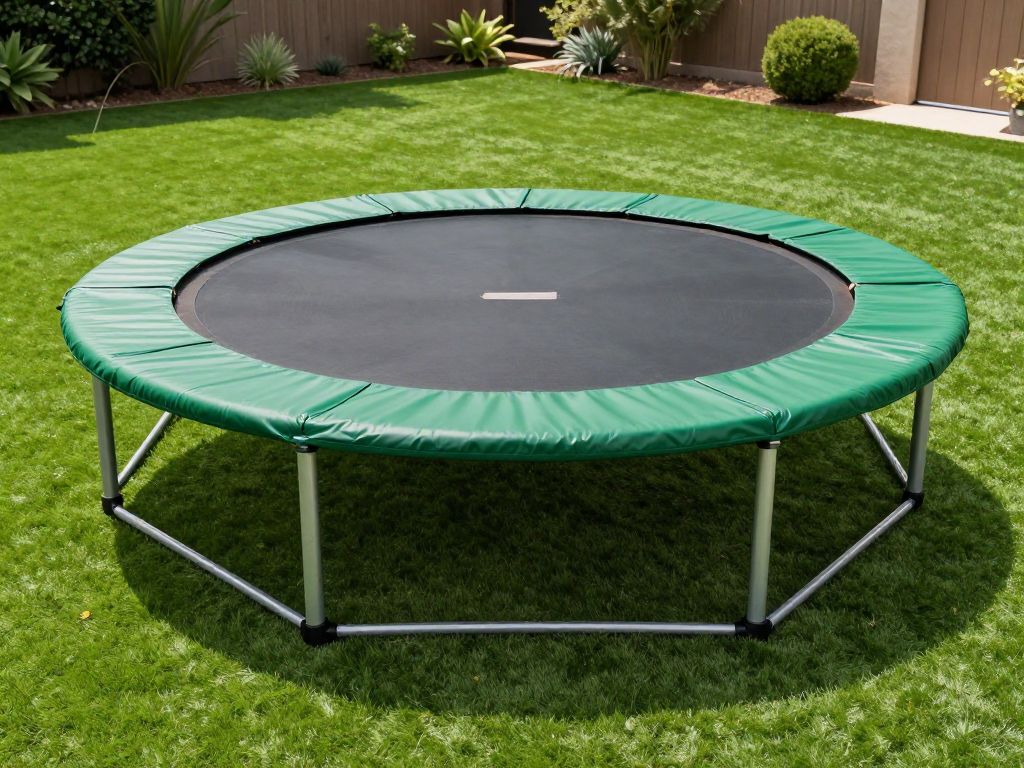
The Definitive Guide to Artificial Turf Under Trampolines
##?
Installing artificial turf beneath a trampoline is highly recommended as it eliminates the maintenance challenges associated with natural grass in shaded, high-traffic areas, while providing a clean, level, and consistently padded surface. For safety-conscious homeowners, synthetic grass maximizes the utility and aesthetic appeal of the trampoline area without the dirt, mud, or brown spots typical of natural lawns.
2. Deep Dive (Detailed Why and How)
Why Turf is the Best Base for Trampolines
A trampoline creates a permanent shadow and pressure points on the ground beneath it, rapidly killing natural grass. This results in an unsightly ring of dirt, mud, and dead turf, which becomes particularly problematic when children or pets use the area.
Artificial turf solves this issue completely. It maintains a pristine, vibrant green appearance 365 days a year, regardless of the shade or weight distribution from the trampoline's legs. This immediate aesthetic upgrade makes the entire backyard look professionally maintained.
Safety and Practical Benefits
Beyond looks, the practical benefits are significant. Synthetic turf provides a consistent, smooth surface, which is crucial for stability. When combined with a shock-absorbent sub-layer or specialized infill, it offers an additional layer of cushioning, minimizing the impact zone in case of a fall from the trampoline's edges.
Modern artificial turf is built to withstand pressure. The robust backing system prevents the trampoline legs from digging into the ground, a common problem with natural soil. Furthermore, the excellent drainage keeps the area dry, preventing mud from being tracked onto the trampoline mat or into your house.
Installation Considerations
Successful installation under a trampoline focuses on preparation. The ground must be perfectly level and compacted to prevent shifting under the trampoline’s weight. While the turf itself offers some cushioning, many experts recommend adding a specialized foam pad (e.g., a "shock pad") beneath the turf layer, especially if the trampoline is elevated, to further mitigate fall impact risk.
3. Quick Reference (Bulleted Key Takeaways)
- Eliminates Maintenance: No mowing, watering, or weeding beneath the shaded area.
- Year-Round Aesthetics: Maintains perfect green color and texture despite heavy shade.
- Prevents Mud: Superior drainage ensures the ground beneath the trampoline stays dry.
- Added Cushioning: Provides a clean, soft surface for bare feet and, when combined with padding, can enhance fall safety.
- Sturdy Base: Prevents the trampoline legs from sinking or creating divots in the yard.
4. Strategic Hyperlink
While artificial turf offers improved cushioning, safety around trampolines is paramount. To ensure you select a base that meets necessary impact standards, review our guidance on the recommended turf for trampolines and fall safety.
Explore Related Turf Resources
Related Turf Guides
- Accessible Drainage Solutions for Turf: The Key to Truly Senior-Friendly Outdoor Spaces
If you’re exploring senior-friendly turf, accessible drainage solutions for turf are just as important as the turf itself.
- Aesthetic Comparison: Turf vs. Grass (and What Actually Looks Better Long-Term)
If you’re weighing turf pros and cons, the **aesthetic differences between turf and grass** are probably at the top of your list.
- Annual Turf Care Calendar: Your Simple, Seasonal Guide to a Healthier Lawn
If you’re wondering, “What should I be doing for my lawn right now?” the answer lives inside an **annual turf care calendar**.
- Are luxury artificial turf options worth the investment for DFW homeowners?
Yes, upgrading to luxury artificial grass offers unmatched aesthetics, superior durability, and a premium feel that significantly elevates your home’s outdoor living experience and long-term value.
- Are you tired of staring at a dull, high-maintenance patch of grass?
**Yes, you can absolutely transform your yard into a stunning, functional space with a backyard landscaping makeover, and synthetic turf is often the key ingredient for DFW homeowners.**