
The Definitive Guide to Avoiding Common Artificial Turf Installation Mistakes
##?
The most common artificial turf installation mistake is inadequate base preparation, which leads to poor drainage, uneven surfaces, and premature turf failure. Successfully installing synthetic grass requires precision in compacting the sub-base, correctly seaming the material, and ensuring proper infill application to guarantee longevity and aesthetic appeal.
2. Deep Dive (Detailed Why and How)
Mistake #1: Insufficient Base Preparation and Compaction
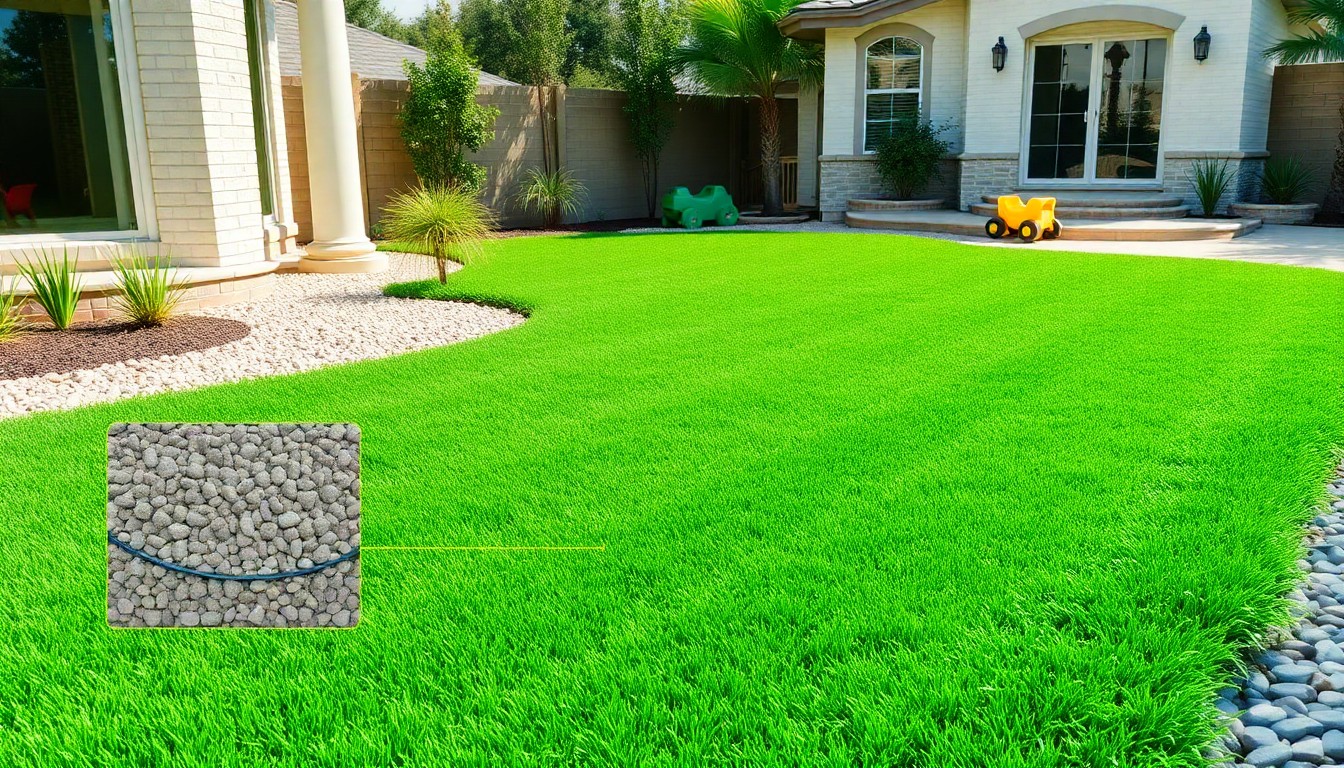
Artificial turf is only as good as the foundation beneath it. Many DIY or inexperienced installations rush the excavation and base work. If the existing soil is not properly removed (typically 3-4 inches deep), or if the crushed rock sub-base (limestone or granite aggregate) is not compacted to 90% density, the ground will settle unevenly over time. This creates puddles, dips, wrinkles, and voids that ruin the smooth look of the finished lawn.
Mistake #2: Ignoring Proper Drainage Slopes
While turf itself is highly permeable, water needs a clear path to run off. A significant oversight is failing to ensure the prepared ground base has a slight slope (usually 1/8 to 1/4 inch per foot) away from the home and towards existing drainage points. Without this subtle grade, standing water can accumulate beneath the turf, leading to mold, mildew, and difficult-to-control pet odors.
Mistake #3: Poor Seaming and Cutting
The seams where two rolls of turf meet are the most vulnerable parts of an installation. Mistakes here include overlapping the edges, failing to trim the edges accurately before joining them, or using too little adhesive. These errors result in highly visible seam lines that lift, curl, or fray, destroying the natural aesthetic of the lawn. Precision cutting and the use of high-quality, weather-resistant seam tape and adhesive are non-negotiable for a professional finish.
Mistake #4: Incorrect Infill Application
Infill (silica sand or specialized rubber granules) is not optional; it is essential for function and longevity. Insufficient infill or failing to brush it in deeply allows the turf fibers to lay flat, causing the turf to mat down quickly, especially in high-traffic areas. Additionally, infill helps weigh the turf down against wind lift and protects the backing from prolonged UV exposure, which is critical for extending the lifespan of the turf in the harsh Texas climate.
Mistake #5: Failing to Secure the Perimeter
The edges of the turf must be securely fastened, usually with nails or staples every few inches along the perimeter. If the edges are not adequately secured, the turf can lift, wrinkle, and become a tripping hazard, particularly around curves or borders. In areas prone to high expansion/contraction, ensuring the perimeter is anchored tightly prevents material movement.
3. Quick Reference (Bulleted Key Takeaways)
- Foundation First: Always compact the sub-base thoroughly to prevent settling and unevenness.
- Grade for Runoff: Ensure a proper slope is maintained in the sub-base to facilitate water drainage away from structures.
- Measure Twice: Cut seams precisely and use commercial-grade seam tape and adhesive for invisible joins.
- Don't Skimp on Infill: Apply the correct type and amount of infill to keep fibers upright and protect the turf backing.
- Secure the Edges: Fasten the entire perimeter tightly to prevent lifting, wrinkling, and safety hazards.
4. Strategic Hyperlink
Most installation failures stem from compromised water management. If you are preparing for your synthetic turf installation, it is critical to understand the technical steps required to properly prepare your sub-base and ensure efficient runoff. To guarantee your lawn remains pristine and functional, review our detailed guide on how to avoid common turf installation mistakes related to drainage.
Explore Related Turf Resources
Related Turf Guides
- Accessible Drainage Solutions for Turf: The Key to Truly Senior-Friendly Outdoor Spaces
If you’re exploring senior-friendly turf, accessible drainage solutions for turf are just as important as the turf itself.
- Aesthetic Comparison: Turf vs. Grass (and What Actually Looks Better Long-Term)
If you’re weighing turf pros and cons, the **aesthetic differences between turf and grass** are probably at the top of your list.
- Annual Turf Care Calendar: Your Simple, Seasonal Guide to a Healthier Lawn
If you’re wondering, “What should I be doing for my lawn right now?” the answer lives inside an **annual turf care calendar**.
- Are luxury artificial turf options worth the investment for DFW homeowners?
Yes, upgrading to luxury artificial grass offers unmatched aesthetics, superior durability, and a premium feel that significantly elevates your home’s outdoor living experience and long-term value.
- Are you tired of staring at a dull, high-maintenance patch of grass?
**Yes, you can absolutely transform your yard into a stunning, functional space with a backyard landscaping makeover, and synthetic turf is often the key ingredient for DFW homeowners.**