
The Definitive Guide to Carbon Emissions Reduction with Artificial Turf
##?
Installing artificial turf significantly reduces a homeowner’s carbon footprint by eliminating the primary sources of lawn care emissions: the continuous use of gasoline-powered mowing and edging equipment, and the manufacturing and transportation required for seasonal fertilizers and pesticides. For DFW homeowners committed to environmental stewardship, synthetic grass offers a strategic, long-term solution that lowers household carbon output immediately.
2. Deep Dive (Detailed Why and How)
The average residential lawn maintained with traditional methods contributes substantially to local air pollution and global carbon emissions. This is often an overlooked aspect of home maintenance, but the impact is quantifiable.
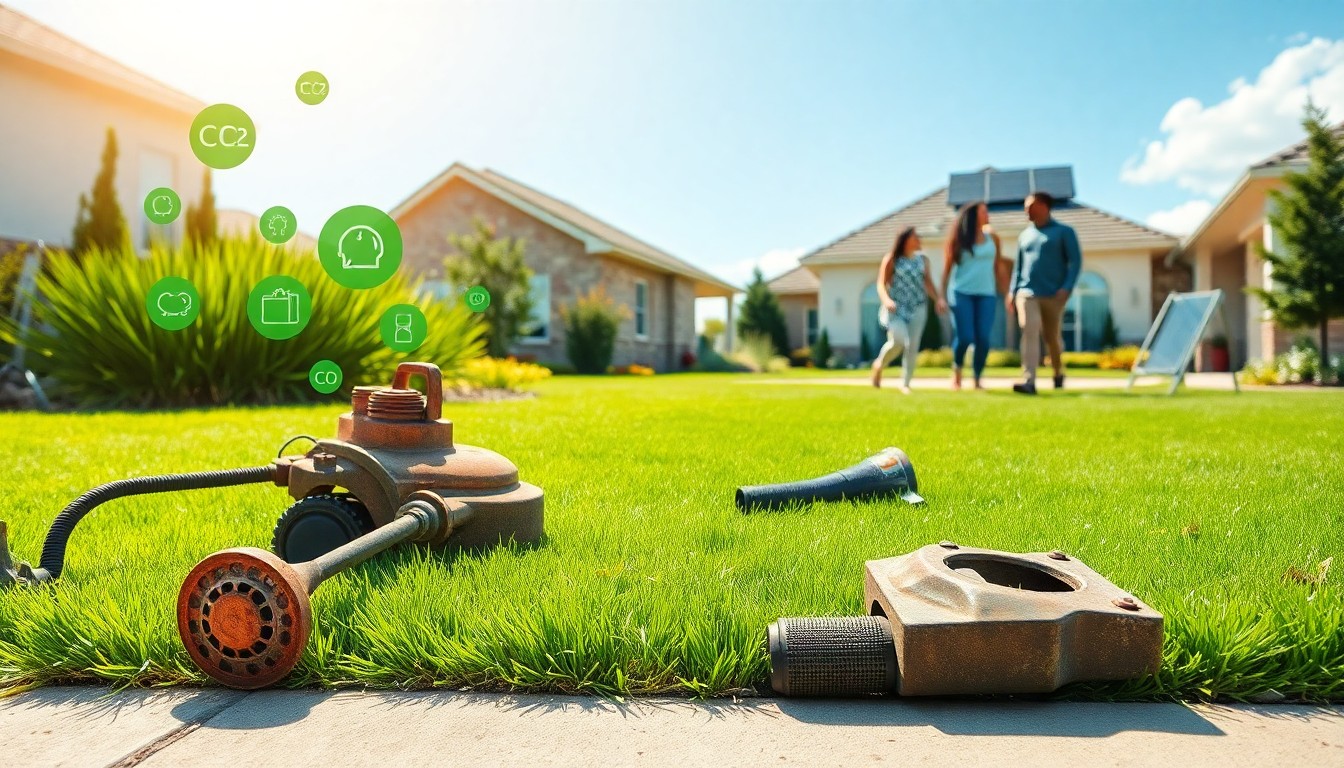
By switching to synthetic turf, you permanently retire the need for combustion-engine lawnmowers, trimmers, and blowers. These machines release unburned hydrocarbons, carbon monoxide, and nitrogen oxides directly into the atmosphere with every use. Eliminating this weekly activity is one of the most direct and effective ways a homeowner can reduce their personal carbon emissions.
Beyond machinery, the chemical cycle of natural lawn care carries a hidden environmental cost. Fertilizers, herbicides, and pesticides require significant fossil fuel energy for their production, packaging, and distribution. When you eliminate the need for these products, you cut ties with that entire emissions-intensive supply chain.
Modern artificial turf is designed for longevity and manufactured with environmental responsibility in mind. While there is an initial energy investment in production and installation, the decades of zero maintenance that follow quickly offset that footprint. Over its 15-to-25-year lifespan, the turf acts as a carbon-saving asset by preventing thousands of hours of equipment use and chemical application.
Furthermore, water conservation also plays a role. Less energy is required by municipal plants to treat, pump, and deliver the vast amounts of water that natural grass demands during the DFW summer, leading to further indirect energy savings and emissions reduction.
3. Quick Reference (Bulleted Key Takeaways)
- Eliminate Gas Equipment: Permanently stop emissions from mowers, trimmers, and blowers.
- Cut Chemical Consumption: Reduce demand for energy-intensive fertilizers and pesticides.
- Long-Term Asset: Offset initial production costs through decades of maintenance-free savings.
- Reduce Water Pumping Energy: Indirectly save energy by eliminating the need for lawn irrigation.
4. Strategic Hyperlink
A cleaner environment extends beyond carbon output. To learn how artificial grass can help you further in reducing overall environmental impact, explore our guide on the Urban Heat Island Effect and synthetic turf.
Explore Related Turf Resources
Related Turf Guides
- Accessible Drainage Solutions for Turf: The Key to Truly Senior-Friendly Outdoor Spaces
If you’re exploring senior-friendly turf, accessible drainage solutions for turf are just as important as the turf itself.
- Aesthetic Comparison: Turf vs. Grass (and What Actually Looks Better Long-Term)
If you’re weighing turf pros and cons, the **aesthetic differences between turf and grass** are probably at the top of your list.
- Annual Turf Care Calendar: Your Simple, Seasonal Guide to a Healthier Lawn
If you’re wondering, “What should I be doing for my lawn right now?” the answer lives inside an **annual turf care calendar**.
- Are luxury artificial turf options worth the investment for DFW homeowners?
Yes, upgrading to luxury artificial grass offers unmatched aesthetics, superior durability, and a premium feel that significantly elevates your home’s outdoor living experience and long-term value.
- Are you tired of staring at a dull, high-maintenance patch of grass?
**Yes, you can absolutely transform your yard into a stunning, functional space with a backyard landscaping makeover, and synthetic turf is often the key ingredient for DFW homeowners.**