
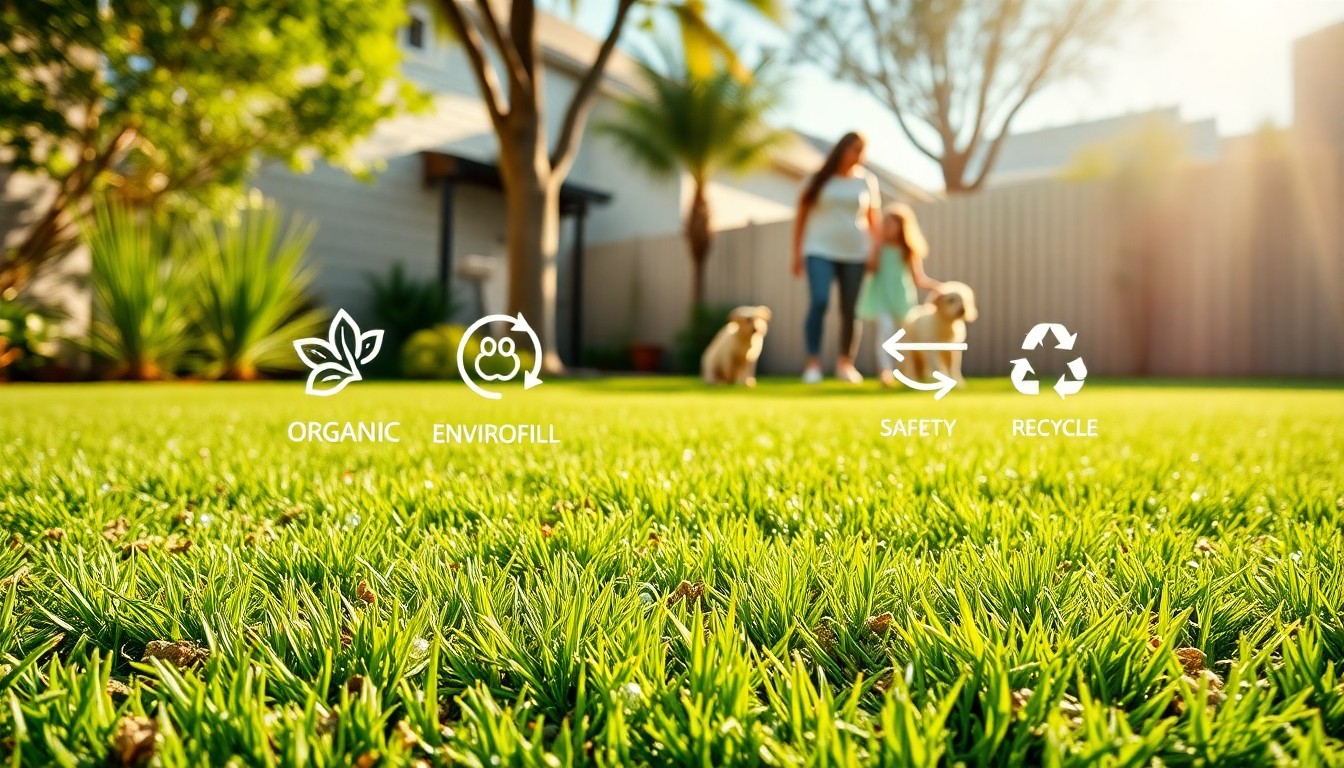
The Definitive Guide to Environmentally Safe Artificial Turf Infill Options
##?
Environmentally conscious artificial turf infill options are materials designed to provide the necessary structure, stability, and protection for synthetic grass fibers while minimizing ecological impact and heat retention. These options often include organic choices (like cork, coconut, or walnut shells) or specialized coated mineral infills (like Envirofill) that are non-toxic, recyclable, and boast superior drainage and cooling properties compared to traditional crumb rubber or raw silica sand. For the solution-aware homeowner, selecting an environmental infill is a proactive step toward ensuring a safe, sustainable, and high-performance landscape.
2. Deep Dive (Detailed Why and How)
Moving Beyond Traditional Infill
When artificial turf was first popularized, the main infill options were raw silica sand and crumb rubber (SBR). While cost-effective, crumb rubber, made from recycled tires, has raised consumer concerns regarding heat buildup and chemical off-gassing, even though it is widely used. Raw silica sand, while natural, can compact quickly and lack the shock absorption needed for play areas.
The growing demand for truly "green" and safe landscaping solutions has driven the development of superior environmental infill alternatives.Understanding Your Environmental Options
Environmental infills typically fall into two categories, each addressing different needs:1.
- Organic Infills: These are derived entirely from natural, renewable resources. Common examples include cork, coconut fiber (coir), and crushed walnut shells. These options boast natural resistance to mold and decay, and they allow for clean, efficient water runoff. A significant advantage of some organic infills is their ability to absorb and retain moisture, which naturally helps cool the turf surface. They are also 100% biodegradable or recyclable.
- Specialized Coated Minerals: These infills, such as Envirofill or Zeofill, use naturally occurring minerals (like silica sand or zeolite) but coat them with non-toxic, acrylic layers. This coating prevents dusting, adds durability, and often embeds antimicrobial protection to inhibit the growth of odor-causing bacteria—making them ideal for pet areas. These products are known for resisting compaction, offering excellent shock absorption, and maintaining a comfortable surface temperature.The Benefits of a Sustainable Choice
Choosing an environmentally safe infill ensures that your artificial turf installation is aligned with larger sustainability goals. * Non-Toxic Safety: You eliminate concerns about heavy metals or harmful chemicals potentially leaching into the surrounding soil or water system. This is especially crucial for households with children and pets.
- Temperature Management: Many environmental options are specifically designed with thermal properties to keep the turf cooler under the intense sun, a major concern in the DFW climate.
- Enhanced Performance: Specialized infills provide greater longevity and resilience for the turf fibers, protecting them from heavy use and ensuring the lawn retains its aesthetic appeal and cushion for years.3. Quick Reference (Bulleted Key Takeaways) * Infill Purpose: Provides ballast, supports turf blades, cushions impact, and aids drainage.
- Organic Choices: Cork, coconut coir, and walnut shells; offer cooling properties and are 100% natural.
- Coated Minerals: Envirofill, Zeofill; feature antimicrobial protection, excellent durability, and superior odor control.
- Health and Safety: Non-toxic composition is safe for children, pets, and the environment.
- Climate Advantage: Improves turf temperature regulation under the hot Texas sun.
4. Strategic Hyperlink
Selecting the right infill is a pivotal decision in your turf installation process. To fully evaluate the performance differences between sustainable products and traditional materials, we recommend reviewing our comprehensive guide on choosing environmentally safe infill alternatives at: [/natural-vs-synthetic-infill].
Explore Related Turf Resources
Related Turf Guides
- Accessible Drainage Solutions for Turf: The Key to Truly Senior-Friendly Outdoor Spaces
If you’re exploring senior-friendly turf, accessible drainage solutions for turf are just as important as the turf itself.
- Aesthetic Comparison: Turf vs. Grass (and What Actually Looks Better Long-Term)
If you’re weighing turf pros and cons, the **aesthetic differences between turf and grass** are probably at the top of your list.
- Annual Turf Care Calendar: Your Simple, Seasonal Guide to a Healthier Lawn
If you’re wondering, “What should I be doing for my lawn right now?” the answer lives inside an **annual turf care calendar**.
- Are luxury artificial turf options worth the investment for DFW homeowners?
Yes, upgrading to luxury artificial grass offers unmatched aesthetics, superior durability, and a premium feel that significantly elevates your home’s outdoor living experience and long-term value.
- Are you tired of staring at a dull, high-maintenance patch of grass?
**Yes, you can absolutely transform your yard into a stunning, functional space with a backyard landscaping makeover, and synthetic turf is often the key ingredient for DFW homeowners.**