
The Definitive Guide to Fringe Turf Options for Your Artificial Putting Green
##?
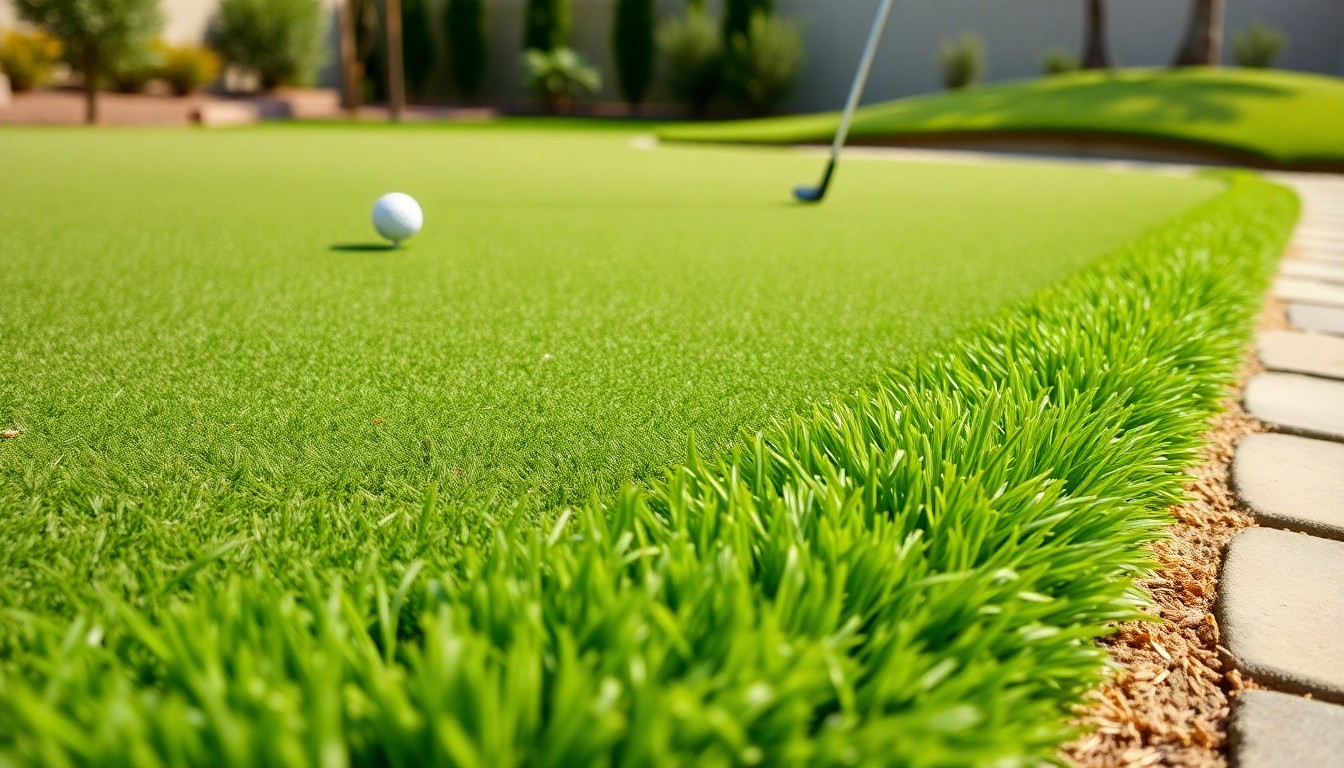
Fringe turf, also known as collar or edge turf, is essential for every synthetic putting green installation, serving as a functional transition zone and aesthetic border that enhances realism. The best fringe turf options are typically higher-pile, denser synthetic grass varieties—often polyethylene or high-quality nylon blends—chosen for their natural appearance, durability, and ability to manage foot traffic immediately surrounding the practice surface.
2. Deep Dive (Detailed Why and How)
Fringe grass performs several critical roles beyond just looking good. It mimics the rough or collar found on a natural golf course, providing a realistic challenge for short chips and creating a visually defined edge for the putting surface.
Selecting the right fringe is crucial for the longevity and functionality of your putting green. The turf you choose for the fringe must be durable because it absorbs the majority of foot traffic as people step on and off the green. This prevents wear and tear on the delicate, low-pile putting surface itself.
The Role of Material and Pile Height
High-quality fringe turf often utilizes polyethylene fibers, offering a softer, more realistic feel underfoot compared to the shorter turf on the green. For fringe, the pile height (blade length) is typically significantly taller than the putting green surface—often ranging from 1.5 to 2.5 inches. This difference in height is necessary for aesthetic contrast and for mimicking the way a real collar slows down an over-putt or requires a light chip to clear.
When considering density, a firm and dense fringe turf is preferable. Higher density helps the blades stand up, resisting matting from heavy use and ensuring the border maintains its plush, manicured appearance year-round, even in harsh Texas climates.
Ensuring Seamless Integration
A common pitfall in DIY installations is visible seams between the putting green surface and the fringe. Professional installation minimizes seams in the fringe area, ensuring a smooth, natural transition. This is especially important in the areas around sand or grass traps, where the fringe must be securely wrapped or tucked using strong seaming tape and adhesive to ensure both longevity and beauty.
The fringe also plays a role in drainage, helping to channel runoff away from the immediate area surrounding the green, which is vital for preventing inconsistencies in the playing surface.
3. Quick Reference (Bulleted Key Takeaways)
- Aesthetic Function: Creates a natural-looking border that elevates the realism of your practice area.
- Traffic Management: Protects the delicate putting surface by absorbing foot traffic.
- Material Choice: Polyethylene and durable nylon blends are the top choices for a realistic, soft, and enduring fringe.
- Height Requirement: Fringe turf should be noticeably taller (1.5" to 2.5") than the putting surface for realistic aesthetics and function.
- Density: Choose a dense, firm option to resist matting and maintain a professional appearance.
4. Strategic Hyperlink
To tailor your golf experience exactly to your preferences, understanding how all components—including cup placement, shape, and overall dimensions—come together is key. Learn more about selecting the best fringe grass for your custom green as part of our comprehensive design options.
Explore Related Turf Resources
Related Turf Guides
- Backyard Golf Ideas: How to Turn Your Yard into a Personal Putting Playground
If you’re looking for backyard golf course ideas that feel fun, low-maintenance, and actually help your game, start with this simple principle:
- Backyard Putting Green Cost Estimate
The cost of an expertly installed artificial turf putting green for a DFW home typically ranges based on size, complexity, turf quality, and necessary ground preparation. Homeowners should anticipa...
- Ball Roll Speed Optimization: The Definitive Guide to Achieving Tournament-Grade Consistency on Your Artificial Putting Green
Ball Roll Speed Optimization: The Definitive Guide to Achieving Tournament-Grade Consistency on Your Artificial Putting Green
- Best Home Chipping Practice Turf
The ideal artificial turf for a home chipping practice area is a densely packed, short-pile synthetic grass designed to replicate the tight lie of a professional fairway or fringe, ensuring clubs interact cleanly with the "ground" for consistent ball striking and realistic performance.
- Can I install artificial turf directly over a concrete patio or slab?
Yes, absolutely! Installing artificial turf over concrete is an excellent way for DFW homeowners to transform drab, hard surfaces into beautiful, soft, and functional green spaces.