
The Definitive Guide to Mobility-Friendly Turf Options
##?
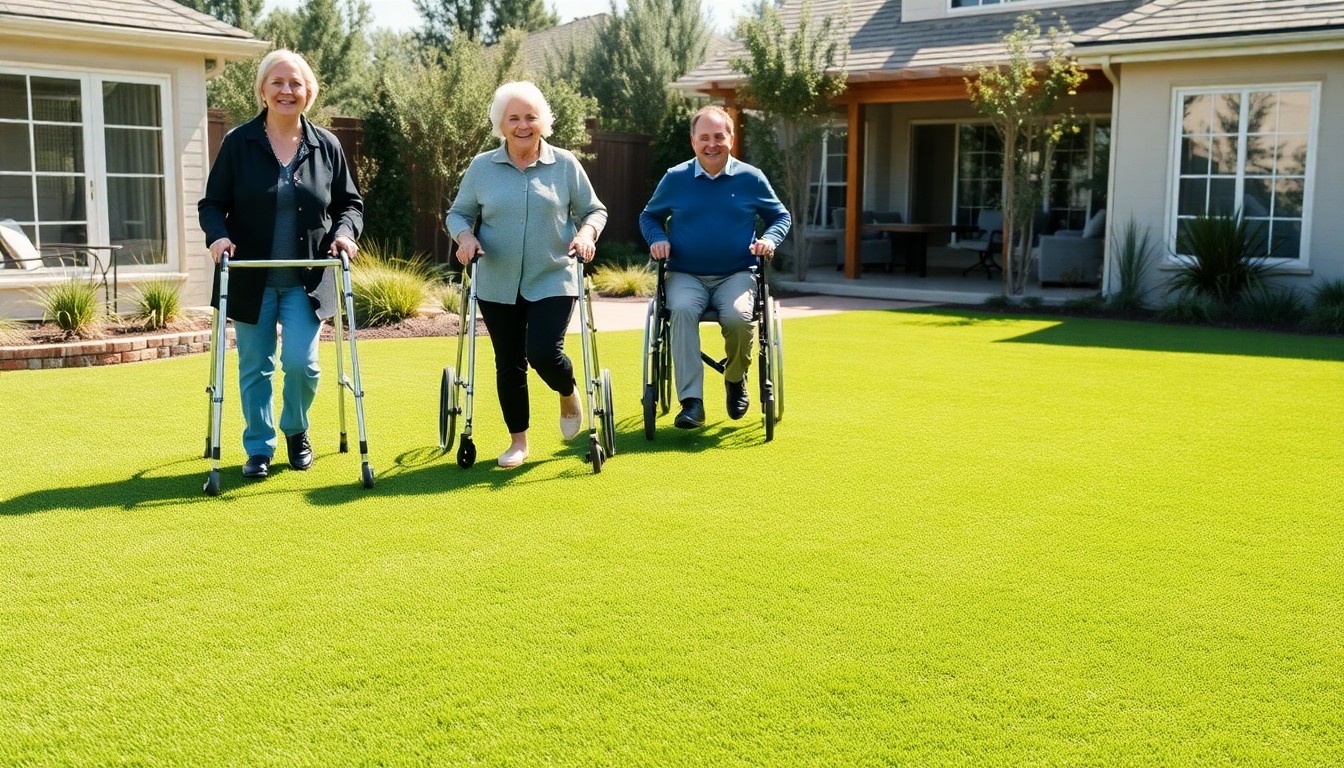
Mobility-friendly artificial turf is specifically designed to provide a firm, consistently smooth, and stable surface that dramatically improves accessibility for seniors, individuals using wheelchairs, walkers, or canes, and those with balance issues. The key features of these options include a dense, low-pile height, a high-quality, compacted sub-base, and often, specialized infill to ensure maximum stability and comfort, making outdoor spaces usable and safe year-round.
2. Deep Dive (Detailed Why and How)
For many DFW homeowners, ensuring the entire property—including the yard—is safe and accessible is a top priority. Natural grass often fails this test. It presents uneven surfaces, hidden holes, muddy patches, and can be strenuous to walk across, especially after rain or maintenance.
Modern mobility-friendly synthetic turf directly addresses these challenges.
The foundation is critical. Mobility-friendly installations rely on a professional-grade, highly compacted sub-base (usually decomposed granite or crushed limestone) to create a surface as firm and level as a sidewalk, but with the aesthetic of a beautiful lawn. This rigidity is essential for ensuring smooth transit for mobility aids.
When selecting the turf material itself, the focus shifts to pile height and density. A shorter pile height, typically between 1 inch and 1.5 inches, provides less resistance and prevents walker wheels or cane tips from sinking into the fibers. The increased density of the grass blades ensures the surface feels firm underfoot, minimizing the risk of a trip or stumble.
These systems also boast superior grip, even when wet. Unlike slick concrete or traditional decking, the synthetic fibers maintain reliable traction, which is crucial for preventing slips and falls—a primary concern for seniors. Furthermore, eliminating the need for lawn chemicals contributes to a healthier environment, reducing exposure to potential irritants.
3. Quick Reference (Bulleted Key Takeaways)
- Smooth Surface: Engineered to be consistently level, eliminating tripping hazards common in natural lawns.
- Optimal Pile Height: Short to medium blades (1-1.5 inches) maximize stability and movement for mobility devices.
- Firm Foundation: Requires a highly compacted, professionally installed sub-base for superior rigidity.
- Enhanced Traction: Provides excellent grip, significantly reducing the risk of slips, even when wet.
- Low Maintenance: Eliminates the need for difficult, taxing yard work like mowing and edging.
4. Strategic Hyperlink
By focusing on the right materials and professional installation methods, you can transform your lawn into a truly accessible extension of your home. To learn more about specific structural requirements for highly demanding environments, review our guide on enhancing mobility with artificial grass.
Explore Related Turf Resources
Related Turf Guides
- Accessible Drainage Solutions for Turf: The Key to Truly Senior-Friendly Outdoor Spaces
If you’re exploring senior-friendly turf, accessible drainage solutions for turf are just as important as the turf itself.
- Aesthetic Comparison: Turf vs. Grass (and What Actually Looks Better Long-Term)
If you’re weighing turf pros and cons, the **aesthetic differences between turf and grass** are probably at the top of your list.
- Annual Turf Care Calendar: Your Simple, Seasonal Guide to a Healthier Lawn
If you’re wondering, “What should I be doing for my lawn right now?” the answer lives inside an **annual turf care calendar**.
- Are luxury artificial turf options worth the investment for DFW homeowners?
Yes, upgrading to luxury artificial grass offers unmatched aesthetics, superior durability, and a premium feel that significantly elevates your home’s outdoor living experience and long-term value.
- Are you tired of staring at a dull, high-maintenance patch of grass?
**Yes, you can absolutely transform your yard into a stunning, functional space with a backyard landscaping makeover, and synthetic turf is often the key ingredient for DFW homeowners.**