
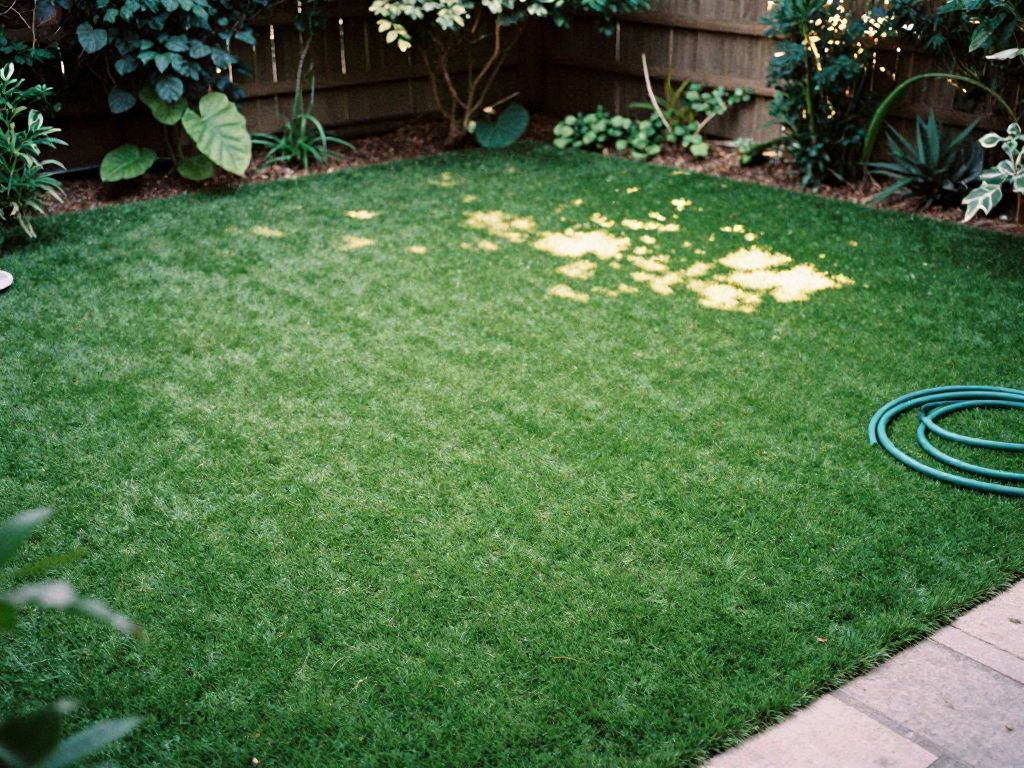
The Definitive Guide to Mold & Mildew Prevention on Artificial Turf
##?
Preventing mold and mildew on artificial turf involves ensuring proper installation with superior drainage, routine rinsing to remove organic matter, and the application of a 1:1 vinegar/water solution or mild turf cleaner. For DFW homeowners, proactive moisture management and selecting the correct infill are essential steps to maintain a hygienic, attractive, and mold-free synthetic lawn.
2. Deep Dive (Detailed Why and How)
Understanding the Risk in DFW
While artificial turf is inherently resistant to biological growth compared to natural grass, mold and mildew can still develop, particularly in the humid climate of the Dallas-Fort Worth area. This growth is typically caused by organic debris (like leaves, dirt, or pet waste) settling into the infill and backing, trapping moisture long enough for spores to germinate.
The key to prevention is breaking the moisture-retention cycle.Installation and Drainage Foundation
Prevention starts underground. High-quality artificial turf features porous, perforated backing designed for efficient water passage. However, proper sub-base preparation is equally crucial. A well-compacted, permeable base layer of crushed stone ensures that water rapidly moves through the turf and away from the yard. Poor sub-base drainage is the single greatest contributor to persistent mildew issues.Routine Cleaning and Maintenance
Regular maintenance is your primary defense against mold. * Rinsing: Use a hose weekly (or as needed) to wash away dust, pollen, and light organic debris. Focus on areas under trees or in shady corners where air circulation is naturally lower and moisture persists.
- Brushing: Periodically cross-brush your turf with a stiff-bristle broom or power brush. This lifts the fibers, preventing organic matter from becoming permanently embedded in the thatch layer, which helps the surface dry faster.
- Prompt Debris Removal: Do not allow wet leaves, branches, or spilled food to remain on the turf. Remove all large debris immediately, as this is where mold spores thrive.Sanitization for Prevention
If you notice a musty odor or see discoloration, a simple solution can disinfect the area without harming the turf fibers: * Mix equal parts distilled white vinegar and water in a spray bottle.
- Lightly spray the affected area or the entire lawn.
- Allow it to air dry. The vinegar acts as a gentle, natural fungicide. For heavier issues, use a commercial turf cleaner specifically formulated to combat fungal growth.The Importance of Infill
Modern antimicrobial infills, often made from zeolite, are specifically designed to absorb ammonia odors from pet waste and discourage microbial growth. If you have older turf or are installing a new lawn, choosing a non-sand, antimicrobial infill is a powerful preventative measure against mildew, especially in damp conditions.
3. Quick Reference (Bulleted Key Takeaways)
- Improve Sub-Base: Ensure the underlying crushed stone layer is properly compacted for maximum permeability.
- Regular Rinsing: Spray down the turf weekly, especially in shady or high-use areas.
- Remove Debris: Immediately clear wet leaves and organic materials to reduce moisture traps.
- Use Antimicrobial Infill: Upgrade infill to discourage bacterial and fungal growth.
- Disinfect Naturally: Apply a 1:1 vinegar/water solution to troubled spots.
4. Strategic Hyperlink
A properly installed turf system minimizes mold risk. Ensure the structural integrity of your lawn is flawless by reviewing our guide on preventing mold and mildew after seam repair.
Explore Related Turf Resources
Related Turf Guides
- Accessible Drainage Solutions for Turf: The Key to Truly Senior-Friendly Outdoor Spaces
If you’re exploring senior-friendly turf, accessible drainage solutions for turf are just as important as the turf itself.
- Aesthetic Comparison: Turf vs. Grass (and What Actually Looks Better Long-Term)
If you’re weighing turf pros and cons, the **aesthetic differences between turf and grass** are probably at the top of your list.
- Annual Turf Care Calendar: Your Simple, Seasonal Guide to a Healthier Lawn
If you’re wondering, “What should I be doing for my lawn right now?” the answer lives inside an **annual turf care calendar**.
- Are luxury artificial turf options worth the investment for DFW homeowners?
Yes, upgrading to luxury artificial grass offers unmatched aesthetics, superior durability, and a premium feel that significantly elevates your home’s outdoor living experience and long-term value.
- Are you tired of staring at a dull, high-maintenance patch of grass?
**Yes, you can absolutely transform your yard into a stunning, functional space with a backyard landscaping makeover, and synthetic turf is often the key ingredient for DFW homeowners.**