
The Definitive Guide to Seasonal Infill Adjustments for DFW Artificial Turf
##?
Seasonal infill adjustments are critical for maintaining the performance, aesthetic appeal, and comfort of artificial turf in the dynamic DFW climate. The process involves monitoring and replenishing infill levels, often using specialized materials like cooling infills in summer and ensuring proper compaction in winter, to counteract seasonal fiber wear, manage heat retention, and optimize drainage.
2. Deep Dive (Detailed Why and How)
The infill—usually specialized sand or a performance granule like crumb rubber or T°Cool—is not merely ballast; it’s an integral part of the synthetic grass system. It provides essential support for the turf blades, preventing matting, aiding drainage, and acting as a thermal regulator.
Why Seasons Matter to Your Infill
In Dallas-Fort Worth, the extreme weather swings directly impact infill. Intense summer heat (and the subsequent need for cooling techniques) and heavy seasonal rains can cause infill material to settle unevenly, migrate, or even deplete over time.
Summer Stress and Cooling Infill
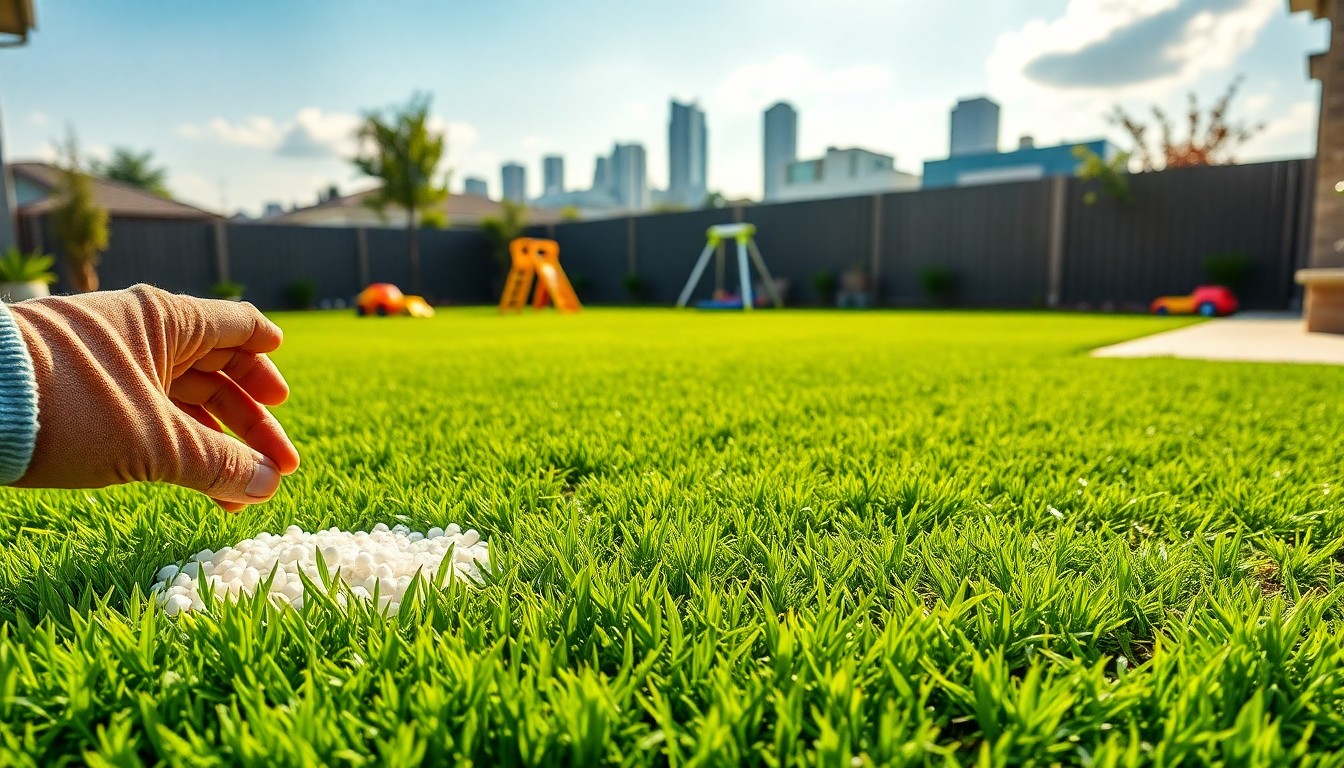
During the hot Texas summer, heat retention is a major concern. If you use performance infills designed to cool the turf (like T°Cool), you must ensure the infill depth is consistently maintained. Lower levels expose more turf backing, increasing surface temperature. We recommend a light top-dressing of cooling infill material early in the summer to maintain maximum thermal performance.
Compaction and Drainage in Winter
The heavier rains and cooler temperatures of fall and winter can lead to infill compaction. When infill packs too tightly, it can impede the vital drainage capacity of the turf system, potentially leading to standing water or slow runoff. During the cooler months, a thorough power-brushing of the turf fibers helps loosen the infill, restoring volume and ensuring optimal permeability before and after heavy rainfall.
Routine Monitoring and Replenishment
The key to effective seasonal adjustment is routine monitoring. Visually inspect the turf, especially in high-traffic areas (like walkways, pet runs, or play zones), where infill is most prone to migration and wear. If the fibers are consistently bent over or the turf backing is becoming visible, it's a sign you need to replenish the infill material with a fresh layer.
3. Quick Reference (Bulleted Key Takeaways)
- Summer Focus: Top up cooling infills to combat extreme DFW heat and optimize surface temperature.
- Winter/Rain Focus: Use a power broom to loosen compacted infill and ensure proper drainage capacity.
- High-Traffic Areas: Monitor these spots monthly for infill depletion and replenish as needed to maintain fiber support.
- Material: Use only the infill type originally installed, as mixing different materials can negatively affect performance and drainage.
4. Strategic Hyperlink
To better understand where your turf is most likely to experience infill migration and wear, we encourage you to review our comprehensive guide on how to adjust infill for seasonal changes.
Explore Related Turf Resources
Related Turf Guides
- Accessible Drainage Solutions for Turf: The Key to Truly Senior-Friendly Outdoor Spaces
If you’re exploring senior-friendly turf, accessible drainage solutions for turf are just as important as the turf itself.
- Aesthetic Comparison: Turf vs. Grass (and What Actually Looks Better Long-Term)
If you’re weighing turf pros and cons, the **aesthetic differences between turf and grass** are probably at the top of your list.
- Annual Turf Care Calendar: Your Simple, Seasonal Guide to a Healthier Lawn
If you’re wondering, “What should I be doing for my lawn right now?” the answer lives inside an **annual turf care calendar**.
- Are luxury artificial turf options worth the investment for DFW homeowners?
Yes, upgrading to luxury artificial grass offers unmatched aesthetics, superior durability, and a premium feel that significantly elevates your home’s outdoor living experience and long-term value.
- Are you tired of staring at a dull, high-maintenance patch of grass?
**Yes, you can absolutely transform your yard into a stunning, functional space with a backyard landscaping makeover, and synthetic turf is often the key ingredient for DFW homeowners.**