
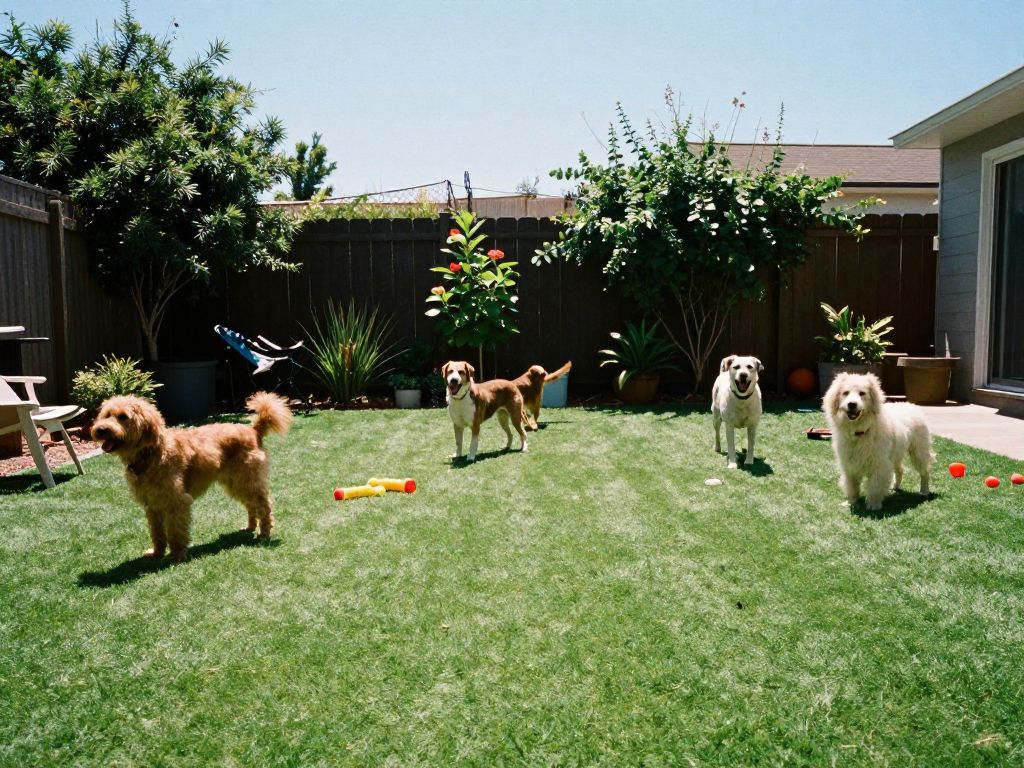
The Definitive Guide to Selecting the Best Artificial Turf for Seniors
##?
The best artificial turf for seniors prioritizes safety features like low-pile height (under 1.5 inches), high fiber density to ensure a stable, trip-free surface, and non-abrasive, soft infill. This combination guarantees maximum stability for walking aids, minimizes fall injury risk, and eliminates the physical labor associated with traditional lawn maintenance.
2. Deep Dive (Detailed Why and How)
The Critical Role of Stability and Safety
When selecting artificial grass for senior living spaces, the focus must shift from aesthetic realism to functionality and safety. Natural lawns present several hazards, including uneven surfaces, holes, and the need for frequent, physically demanding upkeep. Synthetic turf, properly installed, eliminates these issues.
- Prioritizing Low Pile Height: Turf with a shorter pile height (around 1 to 1.5 inches) is fundamentally safer for seniors. Taller turf can feel "shaggy," creating resistance that is difficult for those using walkers or canes, and can increase the risk of tripping. A low-cut turf provides a firm, consistent surface similar to a very short carpet.
- Ensuring Surface Density: High-density turf means more fibers packed together. This fiber density is crucial because it ensures the turf blades stand up straight, offering superior support and preventing the "matting" that can lead to uneven, unstable footing.
- Reducing Maintenance Burden: For seniors, artificial turf represents the total elimination of yard work. There is no need for bending, lifting, pushing a mower, or handling fertilizers and pesticides. This benefit is often the single most compelling reason for the transition, promoting independence and reducing strain.The Importance of Infill and Comfort
The material placed between the turf fibers—the infill—plays a vital role in senior safety.
- Minimizing Abrasion Risk: While traditional silica sand infill works well, it can be rough. If a fall does occur, non-abrasive options can help prevent skin scrapes. For seniors, a softer solution is highly recommended to cushion any accidental contact.
- Cooler Surface Technology: Many modern infills are designed to reflect heat, keeping the turf surface significantly cooler. This is essential in hot climates like DFW, where high surface temperatures could lead to burns or discomfort for feet and hands.
3. Quick Reference (Bulleted Key Takeaways)
- Optimal Pile Height: Choose turf with a short pile (1" to 1.5") for maximum stability.
- High Fiber Density: Select dense products that resist matting for consistent footing.
- Zero Maintenance: Eliminates the physical labor of mowing, weeding, and fertilizing.
- Injury Reduction: A stable surface drastically reduces the risk of slips and falls.
- Non-Abrasive Infill: Look for softer infill options to protect skin in case of a fall.
4. Strategic Hyperlink
The choice of infill is paramount to ensuring the safety and comfort of your new senior-friendly turf. For a detailed breakdown of the best cushioning materials available, please review our guide on selecting the safest turf for seniors.
Explore Related Turf Resources
Related Turf Guides
- Accessible Drainage Solutions for Turf: The Key to Truly Senior-Friendly Outdoor Spaces
If you’re exploring senior-friendly turf, accessible drainage solutions for turf are just as important as the turf itself.
- Aesthetic Comparison: Turf vs. Grass (and What Actually Looks Better Long-Term)
If you’re weighing turf pros and cons, the **aesthetic differences between turf and grass** are probably at the top of your list.
- Annual Turf Care Calendar: Your Simple, Seasonal Guide to a Healthier Lawn
If you’re wondering, “What should I be doing for my lawn right now?” the answer lives inside an **annual turf care calendar**.
- Are luxury artificial turf options worth the investment for DFW homeowners?
Yes, upgrading to luxury artificial grass offers unmatched aesthetics, superior durability, and a premium feel that significantly elevates your home’s outdoor living experience and long-term value.
- Are you tired of staring at a dull, high-maintenance patch of grass?
**Yes, you can absolutely transform your yard into a stunning, functional space with a backyard landscaping makeover, and synthetic turf is often the key ingredient for DFW homeowners.**