
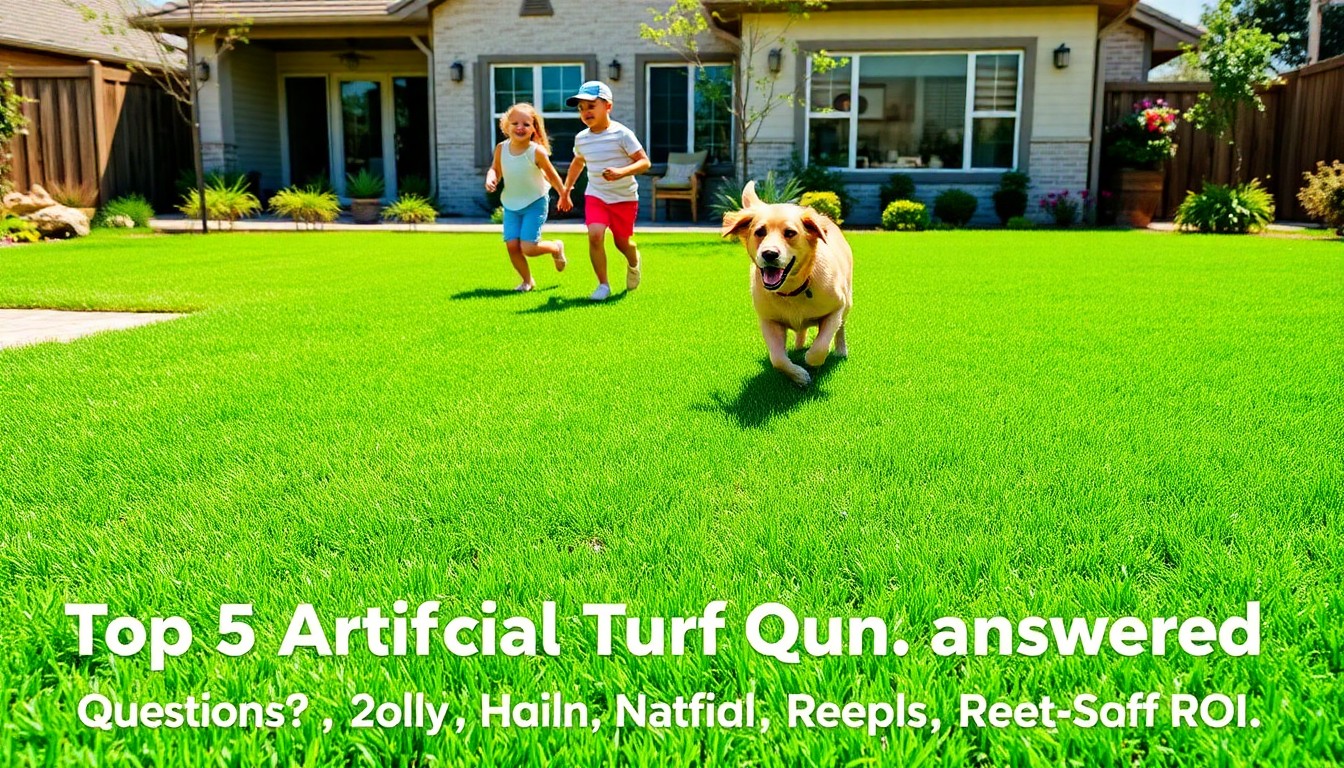
The Top 5 Common Artificial Turf Questions, Answered
##?
The most common questions DFW homeowners have about artificial turf center on durability, heat, drainage, and cost. Modern synthetic grass is engineered to address these concerns through UV stabilization for heat resistance, advanced backing for superior drainage, and robust polyethylene fibers that ensure a 15-25 year lifespan. For solution-aware buyers, understanding these technical answers is key to recognizing the long-term value of a quality installation.
2. Deep Dive (Detailed Why and How)
How Durable is Artificial Turf in the Texas Climate?
Artificial turf is extremely durable, designed to withstand the intense heat, UV exposure, and heavy foot traffic common in DFW. High-quality products use specialized, stabilized fibers that resist fading and degradation. Unlike natural grass, synthetic turf maintains its structural integrity and vibrant appearance year-round, making it ideal for playgrounds, dog runs, and busy entertainment areas.
Does Artificial Turf Get Too Hot in the Texas Summer?
While artificial turf can get warmer than natural grass in direct sun, several modern solutions significantly mitigate heat. Premium infill materials, like T°Cool, and non-rubber options are specifically designed to absorb and release moisture, helping to keep the surface temperature cooler. Additionally, a quick rinse with a hose lowers the temperature instantly and safely.
How Does Drainage Work with Artificial Grass?
Proper drainage is a core component of a successful installation. High-quality turf features a perforated backing system that allows water to drain through the turf at a rate comparable to or faster than natural soil. During installation, a prepared sub-base of crushed rock or decomposed granite ensures efficient runoff, preventing standing water and minimizing pet odor buildup.
Will Artificial Turf Hurt My Pets?
No. Today’s pet-friendly artificial turf is non-toxic and specifically designed for animal safety and comfort. It eliminates the need for harsh chemicals (fertilizers, pesticides) that can be harmful to pets. For best results, pair the turf with an antimicrobial infill and a high-flow backing to ensure superior cleanliness and odor control.
Is the Upfront Cost Worth the Investment?
The initial cost of professional artificial turf installation is a significant investment. However, this cost is offset by the cumulative, long-term savings. Homeowners immediately eliminate recurring expenses like water bills, mowing services, fertilizer, and pest control. Over the lifespan of the turf (15-25 years), the savings often surpass the initial installation price, delivering a substantial return on investment.
3. Quick Reference (Bulleted Key Takeaways)
- Durability: Engineered lifespan of 15-25 years in harsh climates.
- Heat Management: Use of cooling infill or a simple rinse keeps surface temperatures manageable.
- Drainage: Excellent permeability prevents standing water and mud.
- Pet Safety: Non-toxic, chemical-free, and ideal when paired with specialized infills for odor control.
- ROI: Significant long-term savings offset the initial installation cost.
4. Strategic Hyperlink
The longevity and performance of your artificial lawn depend heavily on the quality of the installation process. If you are ready to move forward with a project, you should understand how to find the best partner. Get clarity on your next steps by reviewing our guide on selecting a professional installer: answers to common artificial turf questions.
Explore Related Turf Resources
Related Turf Guides
- Accessible Drainage Solutions for Turf: The Key to Truly Senior-Friendly Outdoor Spaces
If you’re exploring senior-friendly turf, accessible drainage solutions for turf are just as important as the turf itself.
- Aesthetic Comparison: Turf vs. Grass (and What Actually Looks Better Long-Term)
If you’re weighing turf pros and cons, the **aesthetic differences between turf and grass** are probably at the top of your list.
- Annual Turf Care Calendar: Your Simple, Seasonal Guide to a Healthier Lawn
If you’re wondering, “What should I be doing for my lawn right now?” the answer lives inside an **annual turf care calendar**.
- Are luxury artificial turf options worth the investment for DFW homeowners?
Yes, upgrading to luxury artificial grass offers unmatched aesthetics, superior durability, and a premium feel that significantly elevates your home’s outdoor living experience and long-term value.
- Are you tired of staring at a dull, high-maintenance patch of grass?
**Yes, you can absolutely transform your yard into a stunning, functional space with a backyard landscaping makeover, and synthetic turf is often the key ingredient for DFW homeowners.**