
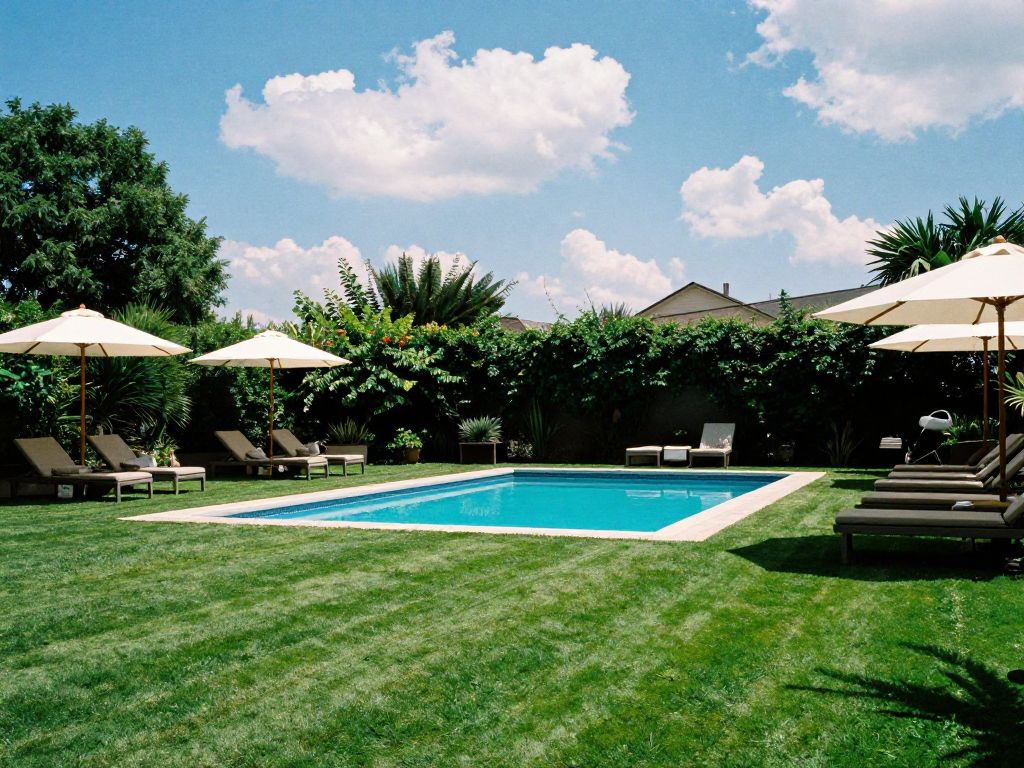
Turf Around Pools Explained: A Simple Guide for DFW Homeowners
If you’re wondering whether artificial turf is a good idea around your pool, here’s the short answer:
- Yes, turf around pools can be a smart, safe, and low‑maintenance choice for many DFW homes.
- It helps cut down on mud, grass clippings, and slippery concrete while keeping the space green year-round.
- The key is to choose the right turf system and installation so it drains well, stays cooler, and holds up to splashes, sunscreen, and heavy use.
From there, the real decision is: Is turf for pool surrounds right for your yard, family, and climate in Dallas–Fort Worth?
This guide breaks that down in clear, practical terms.
Why DFW Homeowners Are Turning to Turf for Pool Surrounds
Dallas–Fort Worth summers are hot, dry, and hard on natural grass—especially near a chlorinated or saltwater pool.
Here’s why turf for pool surrounds is becoming a go‑to option:
- Year-round green: No bald patches by the water’s edge, even in a drought.
- Less mess in the pool: No grass clippings or mud being tracked into the water.
- Better footing: Quality turf can offer more grip than smooth wet concrete.
- Water-wise: No irrigation needed around the pool, which matters in long DFW summers.
- Cleaner look: A consistent, manicured frame around your pool without constant edging or mowing.
When homeowners search for “turf around pools explained”, what they’re really asking is:
“Will this look good, feel good, and make pool care easier—without causing new problems?”
Let’s unpack that.
How Turf Around Pools Actually Works
A poolside turf area is more than just “fake grass rolled out by the water.” It’s a layered system designed for:
- Drainage
- Stability
- Safety
- Comfort in the Texas heat
A typical turf pool surround system includes:
-
Base layer
- Compacted aggregate (like decomposed granite or crushed rock)
- Designed to slope away from the pool and house for drainage
-
Optional drainage layer
- Permeable mat or mesh that helps water move through and out
-
Artificial turf
- Perforated backing so water drains straight through
- Infill (often sand or coated sand) to keep blades upright and improve stability
This build-up is what makes it possible for turf to handle splashes, rainfall, and regular foot traffic without turning into a soggy mess.
Benefits of Turf for Pool Surrounds in DFW
1. Cleaner Pool Water & Deck Area
Traditional lawn:
- Sends dirt, seeds, and clippings straight into your pool
- Turns to mud near heavy splash zones
- Needs mowing, edging, and blowing—often right next to your water
Turf around pools:
- No clippings to clog skimmers
- No mud after rain or pool parties
- Less grit and debris ends up on the pool floor and filters
For many homeowners, this single benefit can cut weekly pool maintenance time.
2. Safer Footing Around the Pool
Smooth wet concrete can become slick. Natural grass can get muddy and unstable when saturated.
A well-installed turf surround can offer:
- Consistent traction when wet
- Cushioned feel underfoot
- Fewer ruts or divots that can trip kids sprinting from the deep end to the snack table
Turf is not a replacement for proper pool safety features, but it can reduce everyday slips and stumbles in high-traffic areas.
3. Comfort for Bare Feet in Texas Heat
DFW sun on stone or concrete can be brutal. Turf can get warm too—but with the right choices, it’s often more comfortable than gray concrete.
Things that influence turf temperature:
- Blade color: Lighter, natural greens absorb less heat than very dark shades.
- Backing & infill type: Some infills are specifically engineered to stay cooler.
- Shade & air flow: Even partial shade or landscaping can lower surface temperatures.
While no outdoor surface in August will feel “cool,” a thoughtfully selected turf system can stay noticeably more forgiving for bare feet than many hardscape options.
4. Low Maintenance Compared to Natural Grass
For pool surrounds, turf simplifies the chore list:
- No mowing tight corners near the coping
- No edging along pool decks or rock borders
- No seasonal re-sodding in worn-out splash zones
- No mud pits where kids jump out of the pool all day
Routine care usually looks like:
- Occasional rinsing to remove dust, pollen, and sunscreen residue
- Brushing fibers upright in high-traffic lounge or landing areas
- Spot cleaning if pets use the area
For DFW homeowners balancing busy schedules, lower-commitment landscaping around the pool can be a major relief.
Key Considerations Before Installing Turf Around Your Pool
1. Drainage Is Non-Negotiable
Water is constantly moving around your pool—from cannonballs, rain, or backwashing filters. Turf around pools must be designed so that water:
- Flows away from the pool shell and structure
- Does not collect or pool beneath the turf
- Doesn’t push water toward your home’s foundation
Look for:
- Proper grading of the base
- Perforated turf backing
- Attention to drainage paths around deck edges, planters, and hardscape transitions
When you see “turf around pools explained” in a search result, drainage should be one of the first topics covered. If it isn’t, that’s a red flag.
2. Chlorine, Salt, and Chemicals
Most modern turf products are designed to handle:
- Chlorine splash from traditional pools
- Saltwater exposure in saltwater pool systems
Still, there are smart habits to protect your poolside turf:
- Rinse heavy chemical spills (like chlorine tablets or strong cleaners) off the turf quickly
- Make sure backwash lines aren’t dumping concentrated chemical runoff directly into turfed areas
- Avoid harsh solvents or undiluted bleach on the surface
In normal use, pool chemicals shouldn’t be a problem—but installers should know your pool type to plan appropriately.
3. Heat Management in DFW Summers
To keep turf around your pool as comfortable as possible:
- Choose lighter, natural-looking turf tones rather than very dark greens
- Ask about cooling infill options specifically designed for hot climates
- Consider simple shade strategies: umbrellas, pergolas, or nearby trees
- Use layout to your advantage—placing turf in areas that are naturally shaded part of the day
The goal is not a perfectly cool surface but a more usable and pleasant pool area during peak heat.
4. Design: How Turf Fits Into Your Pool Layout
Turf for pool surrounds doesn’t have to mean a continuous green carpet. It can be integrated thoughtfully with other features:
- Between pavers or stepping stones for a softer, resort-like feel
- Around lounge areas and sun shelves for a visual “frame” to your pool
- At transitions between your yard and pool deck to soften hard edges
- Along the back fence to reduce glare and heat from large concrete expanses
This is where turf for pool surrounds connects naturally with turf paths and walkways. If you’re considering how people move from the house to the pool, turf garden paths can create:
- A safe, soft transition between patio doors and the water
- A clean line of travel that guides guests and kids where you want them to walk
You can learn more about using turf as a safe, attractive connection from your living areas to your pool by exploring turf garden paths.
5. Pets, Kids, and Real-Life Use
If your pool area is also your main family play space:
- Make sure the turf product is rated for high traffic
- Ask about pet-friendly features if dogs are frequent visitors
- Plan clear transitions from turf to hardscape for easy furniture placement and cleaning
Well-chosen turf around pools is designed to be lived on, not just admired from the window.
Where Turf Around Pools Makes the Most Sense
Turf isn’t the right answer for every square foot around every pool. It tends to shine in certain spots:
- High-traffic edges where swimmers climb out repeatedly
- Mud-prone zones where natural grass has failed before
- Narrow strips where mowing and trimming are awkward and risky
- Play zones where kids run, tumble, and lay out towels
- Transition areas between your main yard, patio, and pool deck
In other words, you don’t need an “all or nothing” approach. Many DFW homes mix:
- Concrete or stone near the immediate pool coping
- Turf just beyond for soft landings, play space, and visual balance
- Strategic turf garden paths to lead from doors, gates, or side yards to the pool entrance
Common Misconceptions About Turf for Pool Surrounds
“Won’t turf around the pool get moldy or soggy?”
Well-installed turf:
- Is built over a draining, compacted base
- Uses perforated backing so water moves through
- Dries relatively quickly after use
Mold and persistent sogginess are usually signs of poor installation or inadequate drainage design, not an issue with turf itself.
“Isn’t turf too slippery when wet?”
Quality turf generally offers better traction than smooth poured concrete when wet. That said:
- Turf with excessive infill on the surface can feel loose underfoot
- Very short, slick fibers can be less grippy than more textured options
A pool-savvy installer will focus on fibers, infill choice, and compaction to support safe footing.
“Will it look fake next to my pool?”
Modern residential turf is a long way from old-school plastic carpet. For a natural look:
- Choose turf with multi-tone blades and some thatch in the base
- Avoid unnaturally bright colors
- Blend turf with landscaping, stone, and lighting for a layered design
In DFW’s often stressed natural lawns, a well-chosen turf around the pool can actually look more consistently natural than struggling grass.
How Turf Around Pools Fits Into a Bigger Yard Plan
Thinking beyond the pool itself often leads to the best outcomes. Consider:
- How people enter and leave the pool area
- Where wet feet go next (into the house? across soil? through a side yard?)
- How lawn, patios, and planting beds connect visually
Turf works especially well when it’s part of a bigger layout strategy:
- Turf garden paths connecting:
- The back door to the pool gate
- Pool to outdoor kitchen or grill area
- Side yard to pool equipment or storage
These paths provide a clean, non-slip, mud-free way to move between spaces, complementing the comfort of turf for pool surrounds.
For more ideas on how turf paths can give you safer transitions to the pool area, see turf garden paths.
FAQ: Turf Around Pools Explained
| Question | Brief Answer |
|---|---|
| Is artificial turf safe to use around a pool? | Yes, when installed correctly with proper drainage and quality materials, turf is commonly and safely used around residential pools. |
| Will turf around my pool get too hot in DFW summers? | Turf will warm up, but the right product, infill, and some shade can keep it more comfortable than many hard surfaces. |
| Does chlorine or saltwater damage turf? | Most modern turf is designed to withstand normal exposure to both. Heavy chemical spills should be rinsed off promptly. |
| How is water drained under turf surrounds? | A compacted base slopes away from the pool and home, while perforated turf backing lets water pass through to that base. |
| Is turf around pools slippery? | Typically, quality turf offers good traction when wet and can be less slippery than smooth concrete. |
| How do I clean turf around the pool? | Rinse occasionally, brush fibers upright in high-traffic zones, and spot clean spills or pet messes as needed. |
| Will turf fade in the Texas sun? | Quality turf for residential use is UV-stabilized to resist fading, even under strong DFW sunlight. |
| Can I put furniture on turf near the pool? | Yes. Use flat-bottomed feet or pads to avoid deep impressions; occasional brushing will refresh the fibers. |
| Is turf good for kids and pets around the pool? | Generally yes. Choose turf rated for high traffic and pet use, and maintain regular cleaning where pets frequent. |
| Do I need turf everywhere, or just in certain areas? | Many homeowners use turf selectively—at high-traffic edges, mud-prone spots, and as turf garden paths leading to the pool. |
Thinking about turf around your pool is really about how you want to use your backyard: how it looks, how it feels under bare feet, and how much time you spend maintaining it versus enjoying it. When you understand how turf around pools works, where it’s strongest, and how it fits with paths and transitions, it becomes easier to see whether it belongs in your DFW home’s outdoor plan.
Explore Related Turf Resources
Related Turf Guides
- Accessible Drainage Solutions for Turf: The Key to Truly Senior-Friendly Outdoor Spaces
If you’re exploring senior-friendly turf, accessible drainage solutions for turf are just as important as the turf itself.
- Aesthetic Comparison: Turf vs. Grass (and What Actually Looks Better Long-Term)
If you’re weighing turf pros and cons, the **aesthetic differences between turf and grass** are probably at the top of your list.
- Annual Turf Care Calendar: Your Simple, Seasonal Guide to a Healthier Lawn
If you’re wondering, “What should I be doing for my lawn right now?” the answer lives inside an **annual turf care calendar**.
- Are luxury artificial turf options worth the investment for DFW homeowners?
Yes, upgrading to luxury artificial grass offers unmatched aesthetics, superior durability, and a premium feel that significantly elevates your home’s outdoor living experience and long-term value.
- Are you tired of staring at a dull, high-maintenance patch of grass?
**Yes, you can absolutely transform your yard into a stunning, functional space with a backyard landscaping makeover, and synthetic turf is often the key ingredient for DFW homeowners.**