
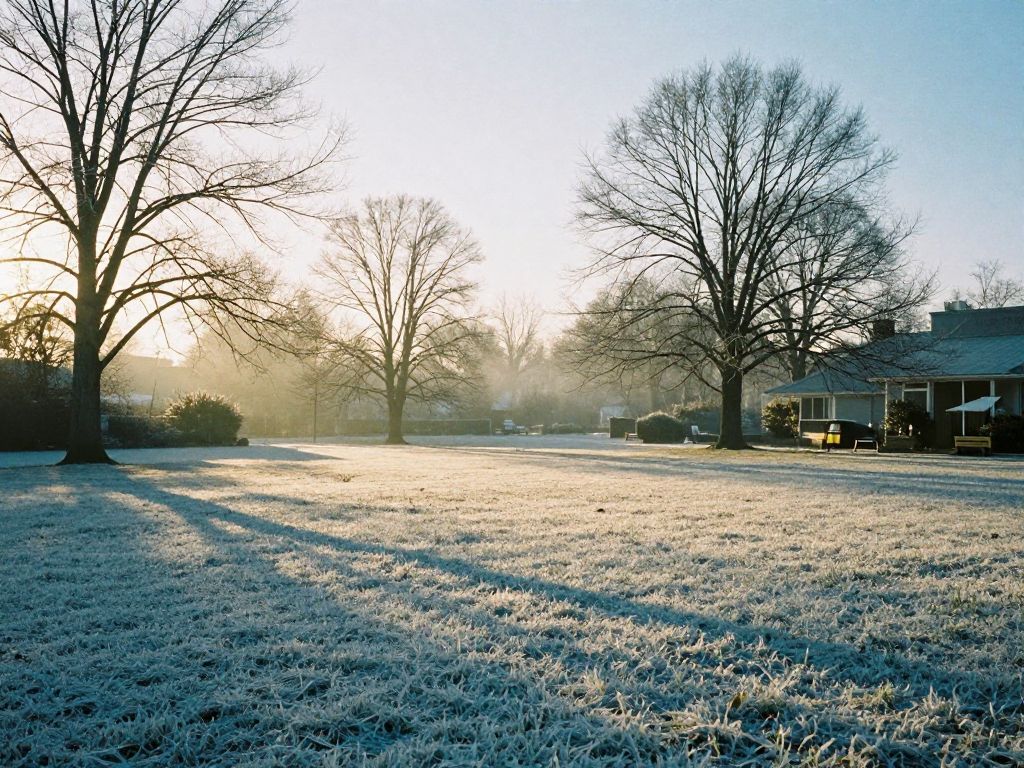
Winter Turf Care: The Essential Cold-Weather Guide for Healthy, Fresh-Looking Grass
If you’re searching for winter care tips for turf, here’s the short answer first:
- Keep turf clean and debris-free to prevent mold and matting
- Limit foot traffic on frozen or waterlogged grass
- Adjust your mowing height before winter to protect roots
- Manage drainage and standing water to avoid disease
- Use de-icing products carefully around turf edges
- Maintain year-round hygiene (including odor control) so turf stays fresh, not just green
Now let’s go deeper into winter turf care—why it matters, what to do month-by-month, and how it fits into your overall turf maintenance strategy.
Why Winter Turf Care Matters More Than You Think
Winter is often treated as the “off-season” for maintenance, but for turf (natural or synthetic), it’s a critical protection phase:
- Winter damage shows up in spring as patchy, thin, or smelly turf
- Compacted or waterlogged turf in winter = stress and disease later
- Good winter habits reduce the need for costly repairs and aggressive treatments in warm months
Winter turf care isn’t about making the grass grow; it’s about helping turf survive winter in the best possible condition, so it can bounce back quickly when temperatures rise.
Core Winter Care Tips for Turf (Natural & Artificial)
Below are practical, low-effort steps you can take right now.
1. Keep Turf Clear: Debris, Leaves, and Clutter
Whether you have a backyard lawn, sports field, or artificial turf area:
- Rake or blow leaves regularly
- Remove branches, toys, furniture, and equipment sitting on turf
- Avoid leaving tarps, plywood, or rugs on the grass
Why it matters:
- Wet leaves + low temperatures = mold, fungus, and dead patches
- On synthetic turf, trapped moisture and organic material encourage bacteria and lingering odors
Clearing turf is one of the most effective, simple winter care tips for turf you can start immediately.
2. Protect Turf from Excess Foot Traffic
When turf is frozen, saturated, or covered in frost, it’s more vulnerable to damage:
- Frozen natural grass blades become brittle and can break underfoot
- Compacted soil beneath natural turf restricts root growth and drainage
- Artificial turf backing and infill can shift or compress permanently under repeated pressure
Best practices:
- Create temporary walkways (pavers, gravel paths) for high-traffic routes
- Redirect play or pet zones during the coldest and wettest days
- Avoid shoveling heavy snow directly onto turf areas you’ll walk on later
Think of it as “winter rest” for your grass: less traffic now, better resilience later.
3. Adjust Mowing Height Before Winter (Natural Turf)
If you maintain a natural grass lawn or sports field:
- Late fall / early winter cut: slightly lower your mowing height, but don’t scalp the lawn
- Aim for a final height that:
- Is short enough to discourage fungus and matting
- Is tall enough to insulate the crown and roots
General guidelines (always adapt to your grass type and climate):
- Cool-season grasses: keep around 2.5–3 inches going into winter
- Warm-season grasses (in mild climates): avoid going too short before dormant periods
This simple adjustment helps reduce snow mold risk and prepares your turf to green up evenly in spring.
4. Manage Moisture: Drainage, Snow, and Ice
Excess water in winter is a quiet turf killer.
For natural turf:
- Identify and correct low spots where water pools
- Ensure gutters and downspouts don’t dump water directly onto the lawn
- Avoid frequent traffic on soggy areas to reduce compaction
For synthetic turf:
- Keep drainage channels and edges clear from mud and debris
- After heavy storms, inspect for standing water that might indicate drainage issues
Snow and ice management:
- Use plastic or rubber-edged shovels near turf edges
- Don’t pile large snowbanks directly on turf areas—especially artificial turf, where weight can distort infill and backing
- Use pet-safe, turf-friendly ice melt near turf whenever possible
Good winter drainage practices protect both the appearance and structural integrity of turf.
5. Winter Turf Cleanliness: Beyond Just Looks
Even in winter, turf still collects:
- Organic debris (leaves, soil, pollen)
- Pet waste and residue
- Food spills or drink residue from gatherings
This build-up can cause:
- Odors that linger into warmer months
- Increased bacterial growth
- Discoloration or surface staining (especially on synthetic turf)
That’s where year-round turf hygiene steps in. In addition to regular debris removal, many property owners use turf deodorizing routines to keep artificial grass areas—especially pet zones—fresh regardless of season. Winter is a great time to reset and refresh these areas so they don’t carry smells into spring.
For a deeper look at keeping artificial grass smelling clean all year, see our guide on turf deodorizing and learn how it fits into broader, year-round turf maintenance.
6. Plan, Don’t Panic: Fertilizing, Overseeding & Repairs (Natural Turf)
In many regions, winter isn’t the time to apply fertilizer or seed, but it is the time to plan:
-
Fertilizing
- Late-fall “winterizer” fertilizer (applied before the ground freezes) helps roots store energy
- Mid-winter applications are often not recommended, as the grass is dormant
-
Overseeding & repairs
- Use winter to assess thin or damaged areas
- Schedule overseeding and topdressing for early spring (cool-season grasses) or late spring (warm-season grasses)
Winter turf care is about stabilizing and protecting, not forcing growth.
Special Winter Turf Care for Different Use Cases
1. Winter Care Tips for Turf in Pet Areas
Dog runs and pet yards—especially with artificial turf—need special attention in winter:
- Pick up solid waste promptly, even in cold weather
- Rinse pet areas periodically if temperatures allow
- Consider odor-neutralizing maintenance so smells don’t intensify as soon as temperatures warm
- Check for icy patches that could cause slips (for pets and people)
Focusing on hygiene now helps prevent the all-too-common “spring turf stink.”
2. Winter Turf Care for Sports Fields
Sports fields (natural or synthetic) face higher stress:
- Rotate practice areas to spread out wear
- Avoid hosting events during freeze-thaw cycles when turf is especially vulnerable
- Inspect seams, infill levels (synthetic turf), and low spots regularly
Winter is also the ideal time to audit your field maintenance plan and adjust for the upcoming season.
3. Winter Turf Care for Decorative & High-Visibility Spaces
For residential front yards, commercial landscapes, and shared community spaces:
- Prioritize a tidy, debris-free surface for curb appeal
- Prune nearby shrubs or trees that shed heavily onto turf
- Maintain clean edges between turf, beds, and walkways
- Monitor for salt spray or de-icer runoff from sidewalks that may stress turf along the edges
The small, consistent touches you apply in winter maintain a cared-for look even when growth is slow.
Winter Turf Care Checklist
Use this quick checklist to guide your winter turf maintenance routine.
| Task | How Often | Applies To |
|---|---|---|
| Remove leaves and debris | Weekly or after storms | Natural & Artificial Turf |
| Limit traffic on frozen/saturated turf | On very cold or wet days | Natural & Artificial Turf |
| Inspect for standing water | After heavy rain or snowmelt | Natural & Artificial Turf |
| Check for mold, fungus, or slime | Monthly | Mainly Natural Turf, some Artificial |
| Clear edges, drains, and borders | Monthly | Natural & Artificial Turf |
| Maintain pet area hygiene & odor control | Weekly or as needed | Artificial Turf & Pet Zones |
| Review damage and plan spring repairs | Mid–late winter | Natural & Artificial Turf |
How Winter Turf Care Fits into Year-Round Turf Maintenance
Think of turf care as a seasonal cycle:
- Spring: Recovery, seeding, fertilizing, and repairs
- Summer: Mowing, irrigation, and traffic management
- Fall: Prepping for dormancy, cleanup, and root health
- Winter: Protection, cleanliness, and structural care
By treating winter as an active protection season, you:
- Reduce spring workloads
- Spend less on emergency fixes
- Keep turf visually appealing and more comfortable to use, even on mild winter days
That’s why the most effective winter care tips for turf are simple, consistent, and focused on preserving what you’ve already invested in.
FAQ: Winter Turf Care & Turf Maintenance
| Question | Answer |
|---|---|
| Do I need to do anything to turf in winter, or can I just ignore it? | No. While growth slows or stops, debris removal, traffic control, and basic inspection are essential to prevent mold, compaction, and long-term damage. |
| What are the most important winter care tips for turf? | Keep turf clear of leaves and clutter, avoid heavy traffic on frozen/wet areas, manage drainage and standing water, protect edges from salt and shovels, and maintain hygiene—especially in pet zones. |
| Should I fertilize my lawn in winter? | In many climates, fertilizer is best applied in late fall before the ground freezes. Mid-winter applications are usually unnecessary or ineffective. Check recommendations for your grass type and region. |
| Is walking on frost-covered grass really a problem? | Yes. Frost makes grass blades brittle. Repeated traffic on frosty turf can crush and break blades, leading to visible damage and thin spots later. |
| How do I care for artificial turf in winter? | Remove debris, keep drainage channels clear, avoid heavy or sharp tools on the surface, manage snow piles carefully, and maintain cleanliness and odor control, especially in pet or high-use areas. |
| Can I use salt or ice melt on or near my turf? | Use sparingly and avoid direct application on turf whenever possible. Choose pet-safe, turf-friendly products and be mindful of runoff toward grass or synthetic surfaces. |
| How do I keep pet turf from smelling in winter? | Continue prompt waste pickup, occasional rinsing (when temperatures allow), and regular turf deodorizing to neutralize odors instead of just masking them. This prevents buildup that becomes much stronger in spring. |
| When should I start thinking about spring turf repairs? | Use mid to late winter to assess traffic patterns, thin areas, and drainage issues. Plan overseeding, aeration, topdressing, or infill adjustments for early spring so you can act as soon as weather permits. |
By focusing on these winter care tips for turf, you’re not just surviving the cold months—you’re setting up your lawn or artificial turf to look and perform better all year long.
Explore Related Turf Resources
Related Turf Guides
- Accessible Drainage Solutions for Turf: The Key to Truly Senior-Friendly Outdoor Spaces
If you’re exploring senior-friendly turf, accessible drainage solutions for turf are just as important as the turf itself.
- Aesthetic Comparison: Turf vs. Grass (and What Actually Looks Better Long-Term)
If you’re weighing turf pros and cons, the **aesthetic differences between turf and grass** are probably at the top of your list.
- Annual Turf Care Calendar: Your Simple, Seasonal Guide to a Healthier Lawn
If you’re wondering, “What should I be doing for my lawn right now?” the answer lives inside an **annual turf care calendar**.
- Are luxury artificial turf options worth the investment for DFW homeowners?
Yes, upgrading to luxury artificial grass offers unmatched aesthetics, superior durability, and a premium feel that significantly elevates your home’s outdoor living experience and long-term value.
- Are you tired of staring at a dull, high-maintenance patch of grass?
**Yes, you can absolutely transform your yard into a stunning, functional space with a backyard landscaping makeover, and synthetic turf is often the key ingredient for DFW homeowners.**