
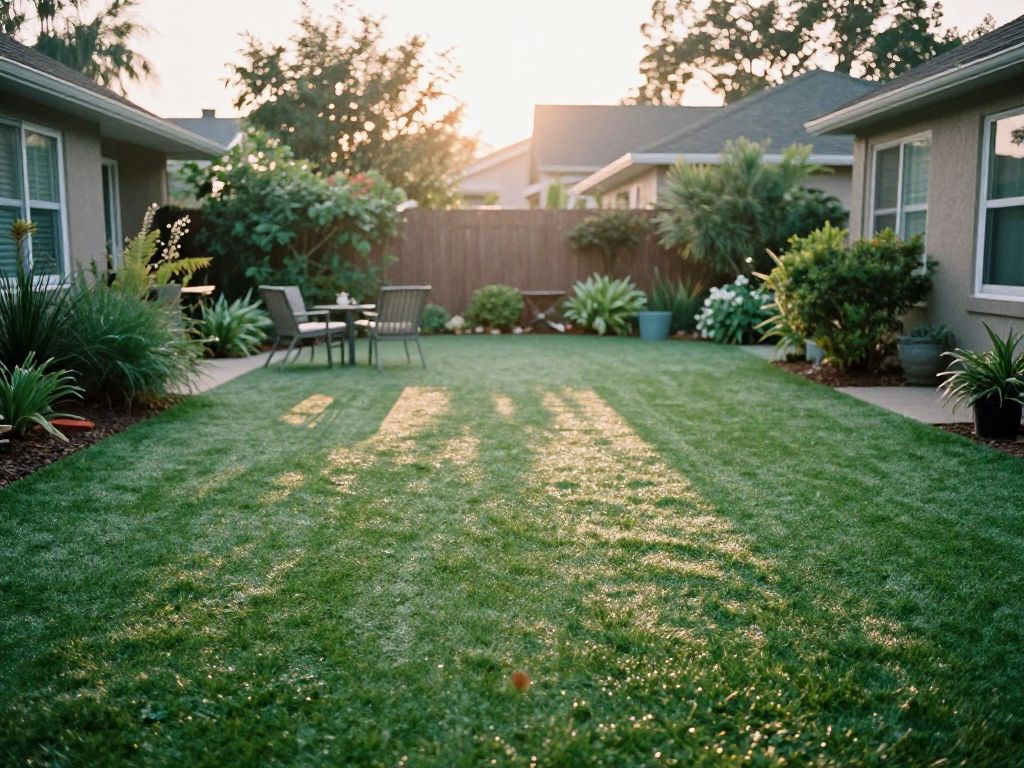
Benefits for Rental Properties: Why Artificial Turf Is a Smart Upgrade for Rental Homes
If you’re wondering whether an artificial lawn is worth it for your rental, here’s the short answer:
Artificial turf can make your rental home more attractive, easier to maintain, and potentially more profitable—while reducing headaches for both you and your tenants.
Below, we’ll break down the key benefits of artificial turf for rental homes, how it impacts curb appeal, maintenance, tenant satisfaction, and long-term costs, and why now is a strong moment to consider this upgrade.
Key Benefits of Artificial Turf for Rental Homes (At a Glance)
For busy landlords and property managers, here are the top benefits for rental properties using artificial turf:
- Year-round curb appeal – Always-green lawn that photographs and shows well in any season
- Lower maintenance effort and cost – No mowing, edging, reseeding, or constant repairs
- Less water usage – Reduced water bills and more resilience to watering restrictions
- Fewer tenant-related lawn issues – Less damage from neglect, pets, and overuse
- Better tenant experience – Clean, usable outdoor space that feels like an amenity
- Stronger listing appeal – Stand out in rental ads with polished, low-maintenance landscaping
- Longer-term durability – Designed to withstand heavy use over many years
These benefits all contribute to one bigger outcome: making your rental property more appealing and easier to manage—which is exactly what most landlords and investors are looking for.
Why Artificial Turf Matters for Rental Properties Right Now
Artificial turf isn’t just a “nice-to-have” aesthetic upgrade anymore. For rental properties, it’s increasingly a strategic decision influenced by:
- Rising water costs and restrictions in many regions
- Labor shortages and higher landscaping costs
- Tenant expectations for clean, low-maintenance outdoor areas
- Competition among rental listings where small visual advantages matter
When renters scroll through listings, they often pause on properties that look move-in ready and low effort to maintain. A lush, green lawn—without the risk of dead patches or mud—can be the difference between a quick inquiry and a swipe past your listing.
1. Curb Appeal That Sells the Rental Before a Tour
First impressions matter more in rentals than many owners realize. Prospective tenants will often judge the property within seconds of seeing the listing photos or pulling up to the curb.
How Turf Boosts Curb Appeal for Rentals
Artificial turf can:
- Stay green and tidy year-round, no matter the season
- Resist bare patches, weeds, and uneven growth that make a property look neglected
- Photograph beautifully, which can improve listing performance online
- Create a consistent, polished look even if the rest of the neighborhood has patchy lawns
Curb appeal isn’t just about pride of ownership; it’s about perceived value. A well-kept lawn signals to tenants that:
- The owner cares about maintenance
- The property is more likely to be well-managed overall
- The home is worth a closer look (and possibly a higher rent)
If you’d like to go deeper into the value side, you can explore how turf supports maximizing property value with artificial turf and understand how curb appeal improvements often pay off across multiple leasing cycles.
2. Lower Maintenance: Fewer Calls, Fewer Surprises
One of the biggest benefits of artificial turf for rental homes is maintenance simplification.
Typical Natural Lawn Issues in Rentals
With natural grass, owners and managers often deal with:
- Mowing and edging schedules
- Seasonal reseeding and fertilizing
- Brown spots from pets or poor watering
- Weed invasion if tenants don’t keep up with care
- Mud and dirt tracked into the home during wet weather
Each of these can trigger maintenance requests, disputes, or repair costs, especially at move-out.
How Turf Reduces the Maintenance Burden
Artificial turf significantly cuts down on:
- Mowing and trimming – No weekly service needed
- Fertilizer and chemicals – Generally unnecessary
- Sprinkler repairs – Less demand on irrigation systems
- Seasonal cleanup – Leaves can be blown off without damaging the lawn
This means:
- Fewer vendor appointments to schedule
- Fewer chances for miscommunication with tenants about yard care
- A much lower risk of lawn-related “surprises” during move-out inspections
For multi-property owners or managers, that predictability across properties can be a major operational advantage.
3. Lower Water Usage and More Resilience to Drought
In many markets, water is both expensive and uncertain. Cities and HOAs frequently introduce:
- Watering restrictions
- Tiered pricing that penalizes higher usage
- Rules on when and how long lawns can be irrigated
Benefits of Turf in Water-Conscious Regions
Artificial turf offers:
- Dramatic reduction in outdoor water use
- A lawn that stays green during droughts
- Protection from penalties or dead-lawn scenarios during watering bans
Even where water is relatively affordable, reducing dependence on irrigation can:
- Simplify billing (especially in single-meter setups)
- Minimize disputes over “who used what” between tenants and owners
- Support eco-conscious branding if you emphasize sustainability in your rentals
4. Reduced Risk of Tenant Damage to the Lawn
One of the hidden costs of a rental lawn is tenant-related wear and tear.
Common issues include:
- Overwatering or underwatering
- Parking on grass areas
- Heavy pet use causing brown or bare spots
- Kids’ play equipment damaging thin turf
- Neglected mowing leading to weed takeover
All of these can add up to repair bills and security deposit conflicts at move-out.
How Artificial Turf Handles Tenant Use Better
Quality artificial turf is built for high traffic and varied use:
- Pet-friendly designs with good drainage
- Durable fibers that stand up to foot traffic and play
- Consistent appearance even with irregular use
The result: fewer arguments and less time spent negotiating what counts as “damage” at the end of a lease.
5. A Better Everyday Experience for Tenants
Beyond the financial and operational benefits for owners, artificial turf can significantly improve the daily experience for tenants.
Tenant-Focused Benefits
Tenants often appreciate that turf:
- Looks neat and inviting with minimal work from them
- Provides a cleaner, mud-free space for kids or pets
- Keeps dust and dirt down compared to bare patches of soil
- Offers a usable area for outdoor seating, play, or entertaining
When tenants feel their outdoor space is an asset instead of a chore, it can:
- Improve overall satisfaction
- Encourage longer lease terms
- Reduce complaints and “fix this yard” requests
Many renters today are busy professionals or families who value low-maintenance living. A lawn that doesn’t demand weekends of mowing can be a quiet but powerful selling point.
6. Stronger Rental Listings and Faster Lease-Ups
At the top of the funnel—where renters are just starting their search—visuals drive action.
Your listing is often competing with dozens of similar rentals. Anything that quickly communicates “clean, updated, easy to live in” can tilt interest in your favor.
How Turf Helps Rental Listings Perform
Artificial turf supports better listing performance by:
- Creating bright, attractive listing photos year-round
- Standing out among properties with patchy or dormant grass
- Helping your property appear “move-in ready”
- Reinforcing the idea that outdoor space is an amenity, not just an afterthought
When prospects scroll past your property, a fresh green lawn can act as a visual cue:
This place is well taken care of. It’s worth clicking into.
7. Long-Term Durability and Predictable Costs
One of the most underrated benefits of artificial turf for rental homes is cost predictability over time.
Natural Grass vs. Turf Over Multiple Tenancies
With natural grass, costs tend to be:
- Irregular (heavy in some seasons, low in others)
- Dependent on tenant behavior
- Vulnerable to extreme weather events (burnout, flooding, pests)
Artificial turf, once installed, offers:
- A more stable, predictable cost profile year to year
- Protection from heavy-use damage that would destroy natural grass
- Fewer emergency or seasonal interventions
For long-term investors, this can make rental income streams more stable and forecastable, especially when combined across multiple properties.
8. Indoor Cleanliness and Reduced Wear
The condition of the yard affects the condition of the interior more than many owners realize.
Bare or muddy lawns can lead to:
- Mud and dirt tracked inside
- Faster wear on carpets and flooring
- More frequent deep cleanings between tenants
Artificial turf helps keep mud, dust, and debris outside, which can:
- Protect flooring and carpeting
- Lower cleaning costs during turnover
- Help interiors show better at the next viewing
Over multiple tenancies, that added cleanliness adds up to slower wear and fewer interior refreshes.
9. Flexibility Across Different Types of Rental Properties
The benefits of artificial turf for rental homes aren’t limited to single-family houses. It can be a smart fit for:
- Single-family rentals – Front and back yards, side yards, pet areas
- Duplexes and triplexes – Shared front lawns or small shared courtyards
- Small multi-family buildings – Common areas, dog runs, play spaces
- Accessory units (ADUs) – Compact, low-maintenance yard spaces
In each case, turf helps control maintenance while maintaining a polished appearance that supports both tenant satisfaction and perceived property value.
10. Connecting Curb Appeal, Value, and the Benefits for Rental Properties
All of these benefits for rental properties—maintenance savings, water reduction, tenant satisfaction, durability—ultimately feed into one bigger theme:
Curb appeal and outdoor usability are core parts of a rental’s perceived value.
Artificial turf is one of the few upgrades that:
- Impacts how a property looks online
- Influences how it feels to live there daily
- Helps control operational and maintenance costs over time
To explore how this plays into the broader strategy of boosting rental value and competitiveness, you can read more about maximizing property value with artificial turf and how thoughtful exterior improvements support better tenant quality, faster lease-ups, and stronger long-term performance.
FAQ: Benefits of Artificial Turf for Rental Homes
| Question | Answer |
|---|---|
| Is artificial turf really worth it for a rental property? | For many rentals—especially in high-water-cost or high-wear areas—artificial turf can be worth it because it cuts maintenance, stabilizes appearance, and reduces tenant-related lawn damage across multiple lease cycles. |
| How does turf affect rental appeal? | It keeps the lawn green and tidy year-round, which improves listing photos, enhances curb appeal, and signals a well-maintained property—all of which can attract more qualified tenants. |
| Does artificial turf help with water bills? | Yes. Turf drastically reduces outdoor water use compared to natural grass, which can lower utility costs and reduce stress during droughts or watering restrictions. |
| Is artificial turf good for pets in rental homes? | Many turf products are designed to be pet-friendly, with drainage that helps manage pet waste and resist brown spots. This can be particularly helpful in rentals that allow dogs. |
| What maintenance does artificial turf still need? | Main tasks include occasional brushing to keep fibers upright, blowing or rinsing off debris, and spot-cleaning as needed. Overall, it’s generally much less work than maintaining a healthy natural lawn. |
| Can turf help reduce tenant disputes about yard condition? | Yes. Because turf is less prone to patchiness, overgrowth, and neglect, it often leads to fewer disagreements over lawn damage and move-out charges. |
| Does artificial turf increase property value? | While value impacts depend on market and execution, a well-designed artificial turf installation can strengthen curb appeal and perceived quality, which can support higher rent and faster lease-ups. For more detail, see how owners focus on maximizing property value with artificial turf . |
| Is turf suitable for all climates? | Modern turf products are made for a wide range of climates, from hot and dry to cooler, wetter regions. Product choice and installation quality are key to performance in your specific area. |
By understanding these core benefits of artificial turf for rental homes, you can better decide whether this upgrade aligns with your goals for curb appeal, maintenance, tenant satisfaction, and long-term property performance.
Explore Related Turf Resources
Related Turf Guides
- Accessible Drainage Solutions for Turf: The Key to Truly Senior-Friendly Outdoor Spaces
If you’re exploring senior-friendly turf, accessible drainage solutions for turf are just as important as the turf itself.
- Aesthetic Comparison: Turf vs. Grass (and What Actually Looks Better Long-Term)
If you’re weighing turf pros and cons, the **aesthetic differences between turf and grass** are probably at the top of your list.
- Annual Turf Care Calendar: Your Simple, Seasonal Guide to a Healthier Lawn
If you’re wondering, “What should I be doing for my lawn right now?” the answer lives inside an **annual turf care calendar**.
- Are luxury artificial turf options worth the investment for DFW homeowners?
Yes, upgrading to luxury artificial grass offers unmatched aesthetics, superior durability, and a premium feel that significantly elevates your home’s outdoor living experience and long-term value.
- Are you tired of staring at a dull, high-maintenance patch of grass?
**Yes, you can absolutely transform your yard into a stunning, functional space with a backyard landscaping makeover, and synthetic turf is often the key ingredient for DFW homeowners.**