
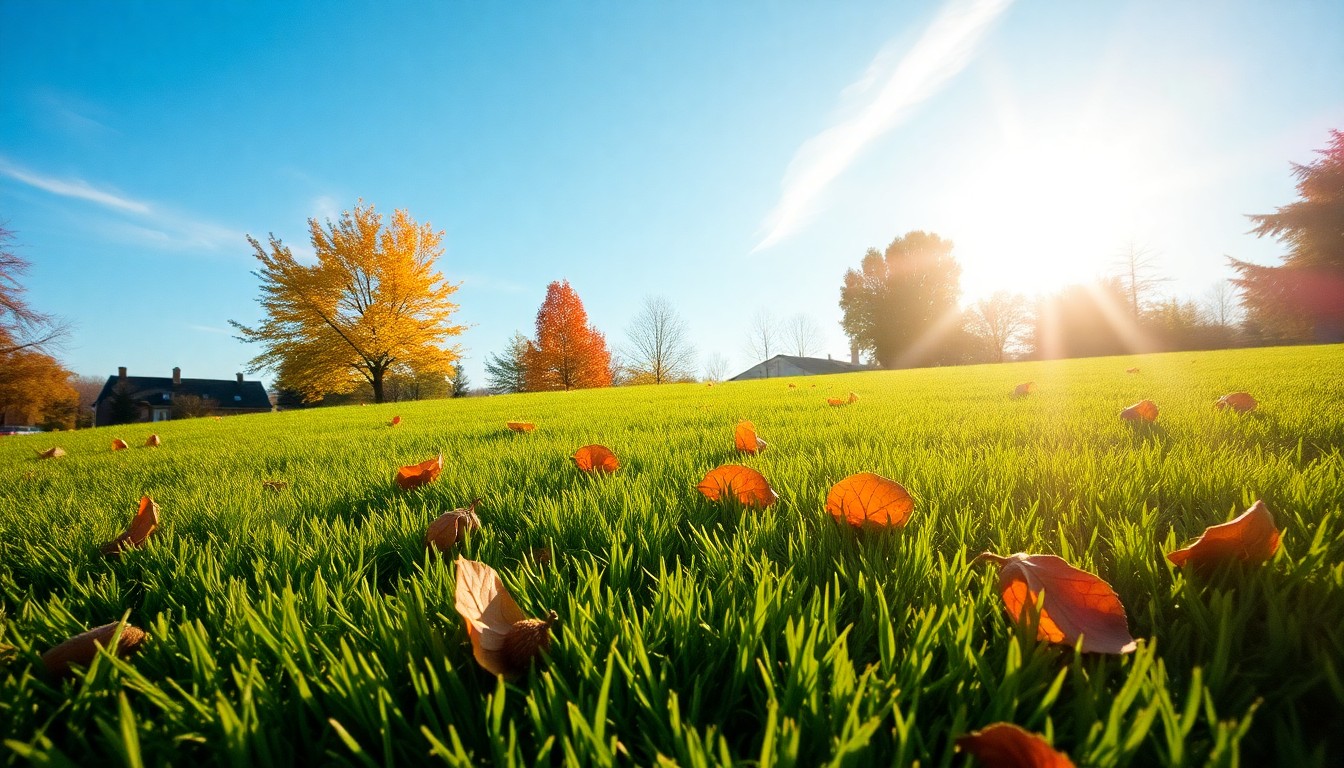
Fall Turf Care Tips: The Essential Seasonal Care Guide for a Healthier Lawn Next Year
If you’re searching for fall turf care tips, here’s the short answer you need first:
- Don’t skip fall turf cleanup.
- Remove or mulch leaves regularly.
- Keep mowing (but lower the height slightly).
- Feed the lawn with a fall-appropriate fertilizer.
- Overseed thin areas.
- Manage weeds while they’re most vulnerable.
- Water deeply until the ground freezes.
These simple fall turf care habits set your lawn up to survive winter and come back thicker, greener, and healthier in spring. Everything that follows builds on those core steps, with a focus on fall turf cleanup and practical leaf removal tips as the foundation of smart seasonal care.
Why Fall Turf Care Matters More Than You Think
Most turf damage you notice in spring doesn’t start in spring—it starts in the fall when lawns are stressed, smothered by leaves, or left unfed before winter.
Fall turf care is crucial because:
- Grass plants are storing energy in their roots for next year.
- Cooler temperatures and more consistent moisture reduce stress.
- Weeds are actively transporting nutrients to their roots (making weed control more effective).
- Soil conditions are ideal for seed germination and root growth.
When you prioritize fall turf cleanup and leaf management, you’re essentially pre-paying for a healthier, less needy lawn next year.
Core Fall Turf Care Tips (Start With These Basics)
Use this as your quick-reference checklist. These are the essential fall turf care moves that have the biggest impact:
- Routinely remove leaves (don’t let them form mats).
- Keep mowing until growth stops (gradually lower height).
- Fertilize in fall to strengthen roots, not just green blades.
- Overseed thin patches for turf density and weed resistance.
- Aerate compacted areas to improve air, water, and nutrient flow.
- Water deeply when needed until the ground begins to freeze.
- Spot-treat weeds in fall for better long-term control.
- Clean up debris (sticks, thatch piles, toys, clutter) that can smother turf.
Each of these actions is part of a bigger strategy: giving your turf every possible advantage before winter sets in.
Fall Turf Cleanup: The Foundation of Healthy Seasonal Care
Your fall turf cleanup is more than just “tidying up.” It directly affects:
- How well your turf breathes
- How much sunlight it receives
- How deeply roots can grow
- How much disease pressure it faces
Here’s how to approach fall turf cleanup with purpose.
1. Clear the Surface So Grass Can Breathe
Before cold weather settles in, aim to remove anything that blocks light or traps moisture:
- Fallen branches and twigs
- Thick layers of leaves
- Thatch piles from dethatching
- Lawn furniture, toys, or temporary structures
Why it matters:
- Reduces snow mold and disease risk
- Prevents bare spots caused by smothered turf
- Prepares the surface for fertilizing, seeding, and aerating
2. Tackle Thatch and Compaction
If your lawn feels spongy, or water sits on the surface, consider:
- Dethatching (if thatch is more than ~½ inch thick)
- Core aeration (removing soil plugs to relieve compaction)
These steps are especially powerful in fall because:
- Roots are actively growing and will quickly occupy the new spaces.
- Fertilizer and water can reach the root zone more effectively.
Leaf Removal Tips: How to Manage Fall Leaves Without Harming Your Lawn
Leaves are a defining feature of fall—and one of the most important parts of fall turf cleanup.
Letting leaves sit all season can cause:
- Smothered grass and bare patches
- Increased fungal disease
- Thinner turf that invites weeds in spring
Instead of seeing leaf cleanup as a chore, think of it as a crucial turf-health ritual. Here’s how to do it right.
Leaf Removal Tip #1: Don’t Wait for All the Leaves to Fall
Frequent, lighter cleanups are much better than a single massive effort.
- Aim to remove or mulch leaves once a week during peak drop.
- After windstorms or heavy fall rains, check for matted areas.
- Why:
- Thick, wet mats of leaves can smother turf in days—not weeks.
- Regular cleanup is easier on both you and the lawn.
Leaf Removal Tip #2: Mulch, Don’t Always Bag
In many cases, you can mulch leaves directly into the lawn:
- Set your mower to a mulching mode if available.
- Mow over leaves repeatedly until they’re shredded into small pieces.
- You should still see plenty of grass blades above the leaf particles.
- Benefits of mulching leaves:
- Adds organic matter to the soil
- Slowly releases nutrients back to turf
- Reduces yard waste and bagging effort
When not to mulch:
- If leaves form thick, wet layers that clog the mower
- If you can’t see grass through the shredded leaves after mowing
- If you’re dealing with known diseased leaves (e.g., heavy fungal infection on trees)
In those cases, bagging and removing is the better move.
Leaf Removal Tip #3: Use the Right Tools for Your Lawn Size
Match your tools to your property:
-
Small yards:
- Leaf rake
- Mulching mower
- Leaf tarp or bags for quick collection
-
Medium yards:
- Mulching or bagging mower
- Corded or battery leaf blower
- Collapsible leaf bins or reusable bags
-
Large properties:
- Ride-on mower with mulching or collection system
- Backpack blower
- Yard cart or trailer
The goal of good seasonal care is consistency, not perfection. The easier your tools make the job, the more likely you are to keep up with it.
Leaf Removal Tip #4: Protect High-Traffic Areas
Pay extra attention to:
- Walkways and paths
- Play areas
- Around driveways and sidewalks
Leaves built up in high-traffic spots can quickly:
- Grind into the soil
- Create muddy, compacted patches
- Lead to thin turf or bare ground in spring
Regularly clear these areas to maintain turf density and reduce compaction.
Smart Mowing Habits for Fall Turf Health
Mowing is just as important in fall as it is in summer—sometimes more.
Adjust Mowing Height Gradually
As you move through fall:
-
Early fall:
- Maintain your usual height (often 2.5–3.5 inches for cool-season grasses).
-
Late fall (final 1–2 cuts):
- Gradually lower by about 0.5 inch—not a drastic chop.
- Why slightly shorter late-fall mowing helps:
- Reduces snow mold risk by limiting excessive leaf height
- Keeps grass from matting under snow and wet leaves
- Makes spring cleanup easier
Avoid scalping the lawn; you still want enough blade to support root health.
Combine Mowing With Leaf Management
Use mowing as a dual-purpose fall turf care tool:
- Mow to maintain proper height.
- Mulch leaves simultaneously whenever possible.
This reduces labor and keeps your fall turf cleanup consistent.
Fall Fertilization: Feeding the Roots, Not Just the Blades
Fall is one of the best times of year to fertilize most cool-season lawns.
Why Fertilize in Fall?
In fall, grass plants:
- Shift energy away from top growth
- Focus on building deeper, stronger roots
- Repair summer damage
A well-timed fall fertilizer:
- Enhances root development
- Improves winter hardiness
- Supports earlier spring green-up without excessive growth spurts
Fall Fertilization Basics
- Follow a soil test if possible to avoid over- or under-applying nutrients.
- Choose a fertilizer labeled for fall or winterizer use (for cool-season turf).
- Avoid over-fertilizing late in the season; follow label rates carefully.
- Time applications so grass is still actively growing but not stressed by heat.
Proper fertilization is one of the most impactful fall turf care tips—and works even better when combined with aeration and overseeding.
Overseeding and Repairing Thin Spots
Fall is the ideal season for overseeding cool-season turf.
Why Overseed in Fall?
- Soil is still warm from summer.
- Air temperatures are cooler and less stressful.
- Fewer weeds compete with young grass.
Overseeding helps:
- Thicken thin or patchy turf
- Improve visual uniformity
- Increase resistance to weeds and disease
Basic Overseeding Steps
- Mow slightly shorter than usual.
- Rake to loosen the surface and remove debris.
- Spread seed evenly (focus on bare or thin areas).
- Lightly rake again to ensure good seed-to-soil contact.
- Keep the area consistently moist until seedlings are established.
Pair overseeding with fall turf cleanup so seeds aren’t blocked by leaves or thatch.
Watering: Don’t Turn Off the Tap Too Early
It’s easy to assume fall rains are enough—but that’s not always true.
Fall Watering Guidelines
- Continue watering deeply (infrequently, not daily) if rainfall is lacking.
- Aim for about 1 inch of water per week from rain and irrigation combined, unless your region is consistently wet.
- Gradually scale back as temperatures drop and growth slows.
- Stop regular watering once the ground begins to freeze.
Healthy fall moisture levels support:
- Root development
- Recovery from summer stress
- Stronger turf heading into winter
Weed Control in Fall: Take Advantage of Turf’s Natural Timing
Fall is one of the most effective times to address many broadleaf weeds.
Why Fall Weed Control Works
Weeds are:
- Pulling nutrients down into their roots
- Preparing for winter survival
When you apply a weed control product or dig out weeds in fall:
- The impact reaches deeper into the root system.
- You reduce weed pressure next spring without overreliance on herbicides then.
Combine fall weed control with:
- Overseeding to fill in empty spaces
- Fertilization to strengthen turf competitiveness
A dense, healthy lawn from strong fall turf care naturally resists future weed invasions.
Connecting Fall Turf Care to Winter and Spring Success
Everything you do now sets the stage for how your lawn handles freezing temperatures, snow, and early spring thaw.
Thoughtful fall turf cleanup, leaf removal, and root-focused care:
- Reduce winter disease risks
- Help turf rebound faster in spring
- Minimize bare spots and weed outbreaks
If you’re planning ahead, you can explore how these fall practices transition into cold-season habits and protection strategies on the winter turf care side of your seasonal lawn plan. Seeing fall and winter as a connected cycle helps you make better decisions now that pay off months from today.
Fall Turf Care FAQ
| Question | Answer |
|---|---|
| Do I really need to remove all the leaves from my lawn? | No—but you do need to prevent thick, matted layers. Light leaf coverage can be mulched into the turf. Heavy leaf cover should be removed or reduced so grass blades are still visible. |
| How often should I do fall turf cleanup? | Plan for weekly cleanup during peak leaf drop. After storms or heavy wind, check for piles and mats of leaves or debris and clear them promptly. |
| Is mulching leaves bad for my lawn? | Mulching is beneficial when done correctly. Shred leaves into small pieces so they don’t smother the turf. If leaves are too thick or wet to mulch into small pieces, bag and remove instead. |
| When should I stop mowing in fall? | Keep mowing as long as the grass is actively growing. Gradually lower the mowing height slightly for the last 1–2 cuts, but avoid scalping the lawn. |
| Do I need to fertilize in fall? | For most cool-season lawns, fall is one of the best times to fertilize. It supports root growth, improves winter survival, and leads to better spring color and density. |
| Can I overseed and fertilize at the same time? | Yes, but follow product instructions carefully. Many fall lawn plans combine overseeding, light fertilization, and, in some cases, aeration for maximum benefit. |
| Should I still water my lawn in fall? | Yes, if rainfall is insufficient. Aim for about 1 inch of water per week until the ground nears freezing and turf growth slows significantly. |
| Is fall a good time to treat weeds? | Yes. Many weeds are sending energy to their roots in fall, which makes treatments more effective and can reduce weed pressure next spring. |
| What happens if I skip fall turf care? | You’re more likely to see bare spots, winter damage, heavier weed growth, and slower spring recovery. Skipping fall turf cleanup and leaf management is one of the main reasons lawns struggle year after year. |
| How does fall turf care relate to winter lawn needs? | Fall care prepares grass for dormancy and stress. Steps like leaf removal, fertilization, and overseeding directly influence how well your turf withstands winter. To continue the seasonal plan, connect these fall tasks with practices covered in more depth on a dedicated winter turf care guide. |
By focusing on consistent fall turf cleanup, thoughtful leaf removal, and root-focused care, you give your lawn the best possible chance to survive winter and thrive next spring—without overcomplicating your seasonal routine.09
Explore Related Turf Resources
Related Turf Guides
- Accessible Drainage Solutions for Turf: The Key to Truly Senior-Friendly Outdoor Spaces
If you’re exploring senior-friendly turf, accessible drainage solutions for turf are just as important as the turf itself.
- Aesthetic Comparison: Turf vs. Grass (and What Actually Looks Better Long-Term)
If you’re weighing turf pros and cons, the **aesthetic differences between turf and grass** are probably at the top of your list.
- Annual Turf Care Calendar: Your Simple, Seasonal Guide to a Healthier Lawn
If you’re wondering, “What should I be doing for my lawn right now?” the answer lives inside an **annual turf care calendar**.
- Are luxury artificial turf options worth the investment for DFW homeowners?
Yes, upgrading to luxury artificial grass offers unmatched aesthetics, superior durability, and a premium feel that significantly elevates your home’s outdoor living experience and long-term value.
- Are you tired of staring at a dull, high-maintenance patch of grass?
**Yes, you can absolutely transform your yard into a stunning, functional space with a backyard landscaping makeover, and synthetic turf is often the key ingredient for DFW homeowners.**