
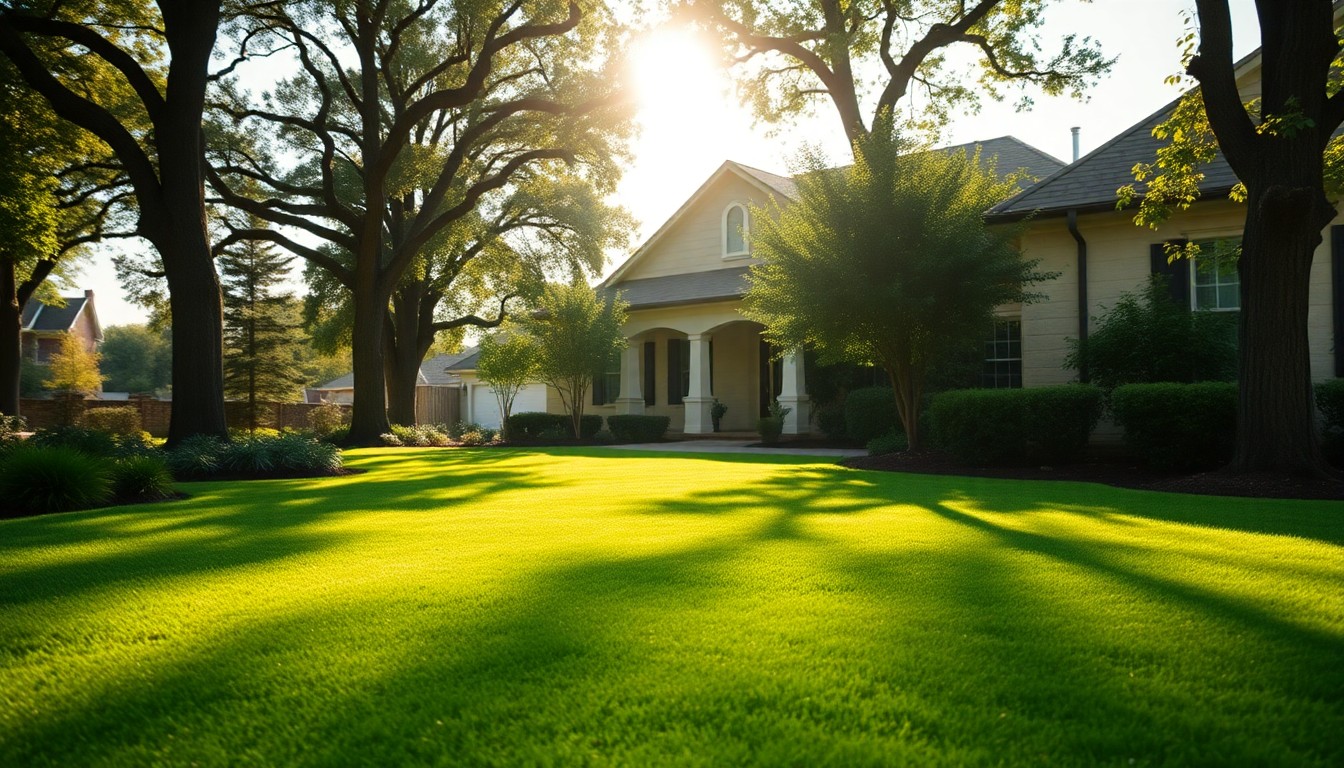
How Turf Affects Home Resale Value: What Buyers Really Think
If you’re wondering how turf affects home resale value, the short answer is:
- Turf can boost curb appeal and perceived value when it’s high-quality, well-installed, and appropriate for the neighborhood.
- Turf can hurt resale value when it looks fake, is poorly installed, clashes with local expectations (including HOAs), or raises concerns about heat and environmental impact.
- In most markets, turf doesn’t automatically raise your home’s appraised value, but it can increase buyer interest, shorten time on market, and support a stronger sale price when done right.
From there, the story gets more nuanced. Let’s go deeper into how turf impacts home resale, the pros and cons that matter to buyers, and what you should consider before committing.
Why Turf Matters for Home Resale Right Now
Turf has moved from a niche choice to a mainstream conversation because:
- Water restrictions and droughts are pushing homeowners toward low-water options.
- Busy lifestyles make low-maintenance yards more attractive.
- Climate and environmental concerns make buyers more critical of “plastic grass.”
- HOA rules can limit or shape what’s allowed, which directly affects resale potential.
All of these factors change how buyers interpret your yard:
Is it smart and efficient—or cheap and artificial?
That perception can add or subtract from your home’s resale story.
Top-Line Impact: Does Turf Increase Home Resale Value?
For most homes, turf affects resale in three main ways:
- Curb appeal – First impressions, listing photos, and drive-by interest
- Ongoing costs – Water, maintenance, and time savings
- Perception fit – How well it matches local norms, climate, and buyer expectations
Turf is most likely to help resale value when:
- You live in a dry or drought-prone region
- Natural grass is hard or expensive to keep healthy
- Neighbors and local buyers are already familiar with turf
- The installation looks high-end, natural, and well-designed
It’s more likely to hurt or limit resale value when:
- You’re in a lush, rainy area where real grass is the norm
- The turf looks obviously fake or has visible seams
- The yard is covered wall-to-wall with turf, with no softened, natural elements
- Local HOAs or buyers have negative bias against artificial turf
Turf Pros & Cons Through a Resale Lens
To understand how turf affects home resale value, it helps to look at the pros and cons the way buyers do—emotionally and practically.
Turf Pros That Can Support Resale Value
-
Always-green curb appeal
- No brown patches, mud, or dead spots in listing photos
- Presentable year-round, even in drought or off-season
-
Low maintenance narrative
- No mowing, edging, overseeding, or regular reseeding
- Reduced yard work appeals to busy professionals, retirees, and investors
-
Water savings
- Attractive in regions with high water costs or strict watering rules
- Buyers may see turf as a “future-proof” upgrade in drought-prone areas
-
Kid and pet functionality
- No mud tracked in during rainy weather
- Can be paired with proper drainage and pet-specific designs to reduce odor
-
Durability over time
- Quality turf can last 10–20 years when maintained correctly
- Less vulnerable than grass to short-term neglect before selling
Turf Cons That Can Hurt Resale Value
-
Heat and comfort concerns
- Turf can get significantly hotter than natural grass in direct sun
- Buyers with kids, pets, or outdoor entertaining habits may see this as a deal-breaker
-
“Fake” aesthetic
- Cheap turf, visible seams, bright unrealistic color, or shiny plastic look
- Some buyers feel strongly against artificial materials in the landscape
-
Environmental perception
- Some buyers and communities see turf as bad for soil health and biodiversity
- Concerns about microplastics and lack of habitat for pollinators
-
Upfront cost vs. perceived value
- You might invest thousands in turf
- Not all buyers will assign value to it—some may even plan to remove it
-
HOA and local rules
- Even if your turf is currently allowed, future rule changes or differing HOA policies in your area can make buyers nervous
- Conflicts with HOA expectations can directly limit buyer interest and perceived resale value
- For a deeper dive into how associations shape marketability, see how HOA acceptance factors influence home resale value overall
Where Turf Helps Resale the Most
Not all turf installations are equal from a resale standpoint. Some placements tend to be more “buyer-safe” than others.
High-Impact, Buyer-Friendly Turf Uses
-
Front yard accents, not full coverage
- Use turf as part of a mixed landscape with:
- Native or drought-tolerant plants
- Rock or gravel beds
- Mulch and trees
- This looks designed and intentional, not like a plastic carpet.
- Use turf as part of a mixed landscape with:
-
Side yards and “problem areas”
- Shady patches where grass won’t grow
- High-traffic paths that turn to mud
- Narrow side yards where mowing is difficult
-
Backyard play or entertainment zones
- Under playsets or in small play lawns
- Around pool decks (with proper heat and drainage considerations)
- Putting greens as a bonus feature, especially in certain buyer segments
Turf Choices That Raise Red Flags for Buyers
-
Wall-to-wall front yard turf in a non-turf neighborhood
- If you’re the only artificial lawn on the block, it can stand out in a bad way
- Buyers may worry they’ll face pressure from neighbors or the HOA
-
Turf used instead of any planting
- No trees, shrubs, or beds can make the yard feel flat and harsh
- Many buyers want at least some living elements
-
Ultra-cheap materials and shortcuts
- No proper base or drainage
- Visible wrinkles, bumps, or seams
- Inconsistent color or squishy feel underfoot
How Turf Affects Buyer Psychology
Resale isn’t only about numbers; it’s about how buyers feel when they see your yard.
Positive Signals to Buyers
When done well, turf can send messages like:
- “This home is easy to maintain.”
- “The owners have stayed on top of upkeep.”
- “The yard will look good from day one.”
- “Water bills and weekend workload will be lower.”
Negative Signals to Buyers
When turf is poorly chosen or installed, buyers might think:
- “What are they trying to hide?” (drainage issues, poor soil, neglected landscaping)
- “Is this going to be hot and uncomfortable in summer?”
- “Will the HOA or neighbors hate this?”
- “How much will it cost to rip this out and start over?”
The same material—turf—can tell very different stories, and that story directly influences how buyers value your home.
Neighborhood & HOA Fit: A Hidden Resale Lever
Even if your turf is flawless, resale value is influenced by how well it fits your neighborhood and governing rules.
-
If many homes nearby already use turf:
- Buyers typically see it as normal or even expected
- Your yard may be judged more by turf quality than by whether turf exists
-
If your area is “traditional grass” country:
- Turf can feel like a departure from local norms
- Buyers may wonder if they’ll face social or HOA resistance
-
If you live in an HOA community:
- Turf materials, coverage, and color might be controlled
- Future buyers care whether they can keep or modify that turf easily
Because HOAs influence perceived flexibility and future risk, they directly connect to home resale. That broader theme—how association rules shape what buyers believe is possible—is explored more deeply in this guide on HOA acceptance factors and home resale value.
Key Turf Pros & Cons for Home Resale (Quick Reference)
| Factor | Potential Resale Upside | Potential Resale Downside |
|---|---|---|
| Curb Appeal | Always-green, tidy look in photos and drive-bys | Can look fake or harsh if low-quality or overused |
| Maintenance | Low ongoing maintenance appeals to many buyers | Some buyers love gardening and prefer real grass |
| Water Use | Strong plus in drought-prone/high-cost water areas | Less compelling in regions with cheap, ample water |
| Heat & Comfort | Usable in shoulder seasons, no mud or mess | Surface can get very hot; may limit barefoot use |
| Neighborhood Fit | Positive if similar to nearby yards and norms | Negative if it clashes with local style or HOA culture |
| Environmental Perception | Some see turf as water-wise and pragmatic | Others worry about plastic, habitat loss, and soil health |
| HOA Rules | Clear approval can reassure buyers and support value | Restrictions or uncertainty can scare off cautious buyers |
Practical Tips to Protect Resale Value If You Choose Turf
If you decide turf makes sense, these choices can keep home resale impact positive:
-
Invest in quality materials
- Realistic color blend (multiple greens + some brown thatch)
- Soft, dense pile that looks like natural grass
- UV-stable backing to resist fading
-
Focus on design, not just coverage
- Mix turf with beds, trees, and native plants
- Use curves and defined edges for a more natural feel
- Avoid making the entire lot one flat sheet of green
-
Address heat and comfort
- Consider shade trees, pergolas, or umbrellas
- Choose turf styles designed for lower heat retention where available
- Avoid high-heat materials right next to turf (e.g., dark pavers)
-
Document the installation
- Keep receipts, warranties, and installer info
- Note drainage improvements or base preparation
- Buyers like knowing it wasn’t a DIY shortcut
-
Confirm rules and communicate clearly
- Get formal written approval if you’re in an HOA
- Keep that documentation; it can be reassuring during resale
- Understand how current HOA or city guidelines might affect future owners
FAQ: How Turf Affects Home Resale Value
| Question | Answer |
|---|---|
| Does installing turf automatically increase my home’s value? | No. Turf doesn’t guarantee a higher appraised value. Its impact depends on quality, design, local norms, and buyer preferences. It often helps more with marketability (speed of sale, buyer interest) than with a fixed dollar amount. |
| Can turf hurt my home’s resale value? | Yes, if it looks fake, is poorly installed, clashes with the neighborhood, or raises concerns about HOA compliance and heat. Some buyers may discount your home because they plan to remove the turf. |
| Is turf better for resale in certain regions? | Typically yes in dry, drought-prone areas or places with strict water use rules. In lush, temperate regions where natural grass is easy to maintain, turf may feel less necessary and sometimes less desirable. |
| How important is HOA acceptance for resale? | Very important in managed communities. Clear HOA approval reduces perceived risk for buyers. Ongoing or potential disputes over lawn rules can drag down interest and offers. Broader HOA acceptance factors often shape how confident buyers feel about purchasing in your community. |
| Will buyers think turf is low-maintenance? | Many will, and that’s a plus. But savvy buyers know turf still needs cleaning, occasional brushing, and care for drainage and odors—especially with pets. Positioning it as “lower maintenance,” not “maintenance-free,” feels more believable. |
| What style of turf is best for resale? | Natural-looking, mid-height turf with blended green tones and a realistic thatch layer. Avoid very short, bright, or shiny turf. Work with a design that includes plants and hardscape, not just a full synthetic lawn. |
| Should I turf my entire yard to maximize value? | Usually no. From a resale perspective, partial turf integrated into a thoughtful landscape often feels more upscale and flexible than wall-to-wall turf, which can look stark and be a turnoff for some buyers. |
| How long does turf last, and does that matter to buyers? | Quality turf can last 10–20 years. Buyers often care less about the exact lifespan and more about whether it feels new, well-maintained, and supported by a warranty with clear documentation. |
Bringing It All Together
How turf affects home resale value comes down to this:
- It’s not automatically good or bad; it’s about fit, quality, and perception.
- In the right region and context, a well-designed turf installation can make your home feel more move-in ready, low-maintenance, and visually appealing.
- In the wrong context—or with poor materials and design—it can feel like a compromise buyers will want to undo.
If resale is on your mind, think less about “turf vs. grass” as a debate and more about the story your yard tells future buyers: smart, considered, and aligned with the neighborhood—or something they’ll see as their first big project after closing.
Explore Related Turf Resources
Related Turf Guides
- Accessible Drainage Solutions for Turf: The Key to Truly Senior-Friendly Outdoor Spaces
If you’re exploring senior-friendly turf, accessible drainage solutions for turf are just as important as the turf itself.
- Aesthetic Comparison: Turf vs. Grass (and What Actually Looks Better Long-Term)
If you’re weighing turf pros and cons, the **aesthetic differences between turf and grass** are probably at the top of your list.
- Annual Turf Care Calendar: Your Simple, Seasonal Guide to a Healthier Lawn
If you’re wondering, “What should I be doing for my lawn right now?” the answer lives inside an **annual turf care calendar**.
- Are luxury artificial turf options worth the investment for DFW homeowners?
Yes, upgrading to luxury artificial grass offers unmatched aesthetics, superior durability, and a premium feel that significantly elevates your home’s outdoor living experience and long-term value.
- Are you tired of staring at a dull, high-maintenance patch of grass?
**Yes, you can absolutely transform your yard into a stunning, functional space with a backyard landscaping makeover, and synthetic turf is often the key ingredient for DFW homeowners.**