
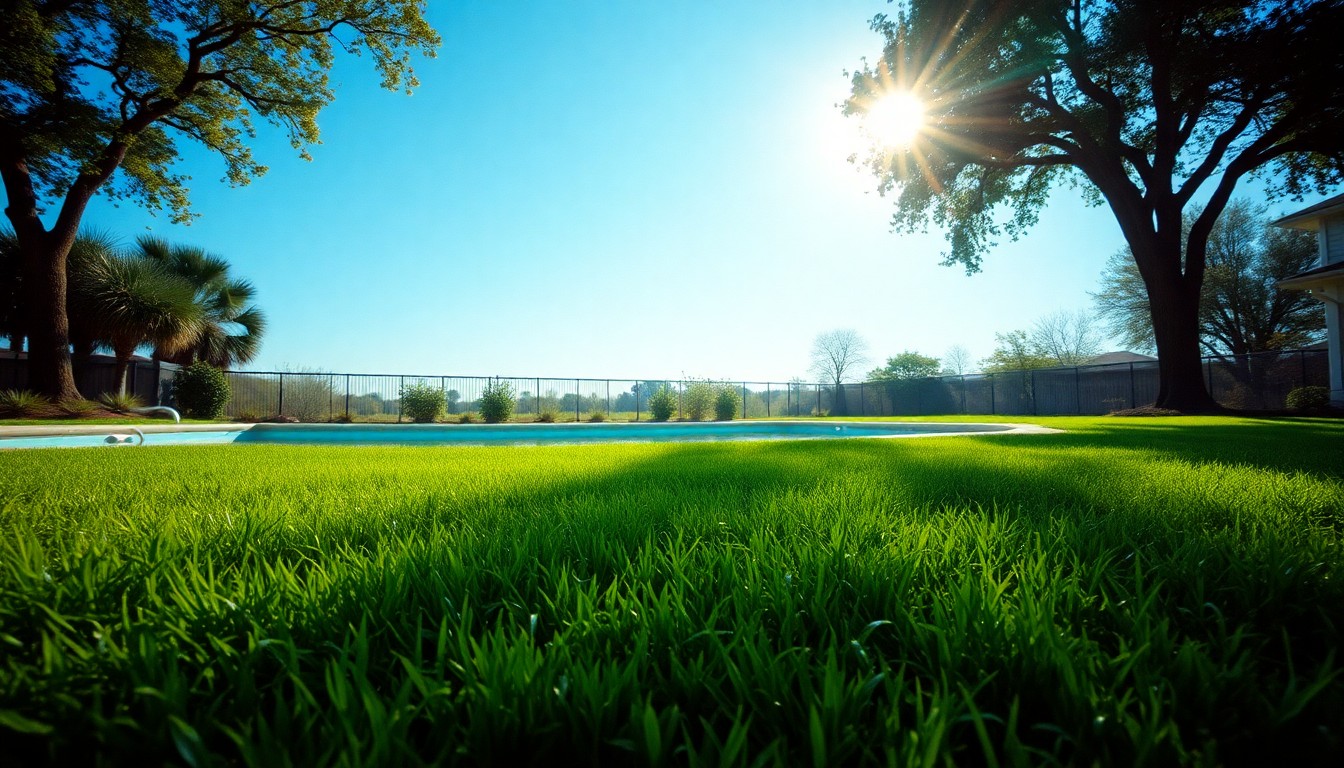
Proper Drainage for Pool Turf: What You Really Need to Know First
If you remember one thing about turf around pools and outdoor spaces, make it this:
Proper drainage for pool turf is non‑negotiable.
Get drainage wrong, and you invite standing water, slippery surfaces, mildew, bad smells, and a ruined backyard experience. Get it right, and turf around your pool stays clean, dry, safe, and low‑maintenance.
Below is the quick answer most people are actually searching for—followed by deeper guidance so you can feel confident planning or reviewing your pool turf project.
Quick Answer: The Core Drainage Requirements for Pool Turf
To keep pool turf safe, clean, and long‑lasting, your drainage system should:
- Move water away fast
- Aim for turf with perforated backing that drains at least 30+ inches of water per hour per square yard (many quality systems exceed this).
- Have a stable, permeable base
- Install over compacted, free‑draining base materials (e.g., crushed stone, decomposed granite), not plain soil.
- Maintain a consistent slope
- Ensure a minimum slope of 1–2% (about ⅛–¼ inch per foot) away from the pool, house, and structures.
- Avoid water traps and low spots
- Design transitions (between turf, coping, decking, and drains) so water has a clear path to flow away.
- Include a drainage system where needed
- Use channel drains, French drains, or perimeter drains in tight or enclosed areas.
- Work safely with chlorinated and saltwater
- Choose materials that handle pool splash‑out and won’t degrade or trap harsh water.
All the detailed “how” and “why” below ties back to this key idea:
Proper drainage for pool turf is about controlling where water goes, how fast it gets there, and what it touches along the way.
Why Proper Drainage for Pool Turf Matters (Right Now)
Pool turf feels simple on the surface—soft, green, mud‑free. But around pools, water behaves differently:
- Cannonballs, kids, pets, and splash‑out mean constant moisture.
- Chemicals, sunscreen, and debris mix into that water.
- Sun and heat accelerate bacteria growth in warm, still puddles.
- Slip risks rise dramatically when water lingers.
Without proper drainage:
- Water can pool on the surface, making turf slick.
- Moisture gets trapped below the turf, inviting mold, mildew, and odors.
- The base can shift or erode, leading to wrinkles and trip hazards.
- Surrounding structures (decking, foundations, pavers) can suffer water damage.
Done right, drainage turns turf from “looks good today” into “performs well for years.”
How Pool Turf is Designed to Drain Water
Proper drainage for pool turf is a system, not a single feature. It involves:
- The turf itself
- The base underneath
- The slope of the installation
- The drainage components at the edges
Let’s break each layer down.
1. Turf Backing and Drainage Design
Not all synthetic turf drains the same way. For pool and outdoor spaces, look at how the backing is engineered.
Key drainage features to look for:-
Perforated backing
- Small, evenly spaced holes allow water to pass through quickly.
- Important in splash zones and high‑traffic pool edges.
-
Flow‑through (fully permeable) backing
- Water drains through the entire backing, not just holes.
- Minimizes pooling on the surface and reduces pressure on any single area.
-
High drainage rate
- Check specs where available: look for 30–100+ inches/hour drainage capacity for demanding pool environments.
-
Stabilized, UV‑resistant backing
- UV stability prevents cracking that can block or slow down drainage over time.
- If you’re considering turf that is also designed to withstand sun exposure, you can explore how UV‑stabilized designs support both drainage longevity and surface safety here: UV‑resistant pool turf.
2. Base Construction: The Foundation of Good Drainage
Even the best turf fails if the base doesn’t drain well.
Typical pool turf base layers:-
Excavation and grading
- Remove organic materials (topsoil, roots, grass).
- Create the initial slope away from the pool and structures.
-
Base material
- Use compacted, free‑draining aggregates, such as:
- Crushed rock
- Decomposed granite
- Road base (without excessive fines, depending on climate)
- Depth often ranges from 3–6 inches, depending on soil and use.
- Use compacted, free‑draining aggregates, such as:
-
Compaction
- Proper compaction creates:
- A smooth, stable surface for turf
- Enough pore space for water to move through
- Over‑compaction can reduce permeability; under‑compaction invites settling and uneven surfaces.
- Proper compaction creates:
- Relying on native soil alone (clays and silts often drain poorly).
- Using fine sand as the primary base in wetter climates.
- Skipping compaction, which leads to dips where water collects.
3. Slope and Grading: Directing Water Where You Want It
Drainage isn’t only about “down”—it’s about “away.”
Minimum slope guidelines for pool turf:- 1–2% slope:
- 1% = about ⅛ inch per foot
- 2% = about ¼ inch per foot
- Slope should direct water:
- Away from the pool edge (so water doesn’t sit between coping and turf)
- Away from building foundations
- Toward an approved drainage point (drains, swales, or lower landscape areas)
- Narrow walkways or strips between pool and fence
- Turf adjacent to raised planters or seating walls
- Corners and junctions where pavers, decking, and turf meet
Anywhere water “has nowhere to go” needs additional drainage planning.
4. Drainage Components: When Gravity Alone Isn’t Enough
In some pool layouts, slope and permeable base still aren’t enough to handle water efficiently. That’s where dedicated drainage hardware comes in.
Common drainage solutions around pool turf:
-
Channel (linear) drains
- Long, narrow grates installed at:
- Pool edges
- Along retaining walls or fences
- Capture and redirect runoff from turf, coping, and decking.
- Long, narrow grates installed at:
-
French drains
- Gravel‑filled trenches with perforated pipe.
- Installed:
- Along perimeter lines
- Under or beside turf in low‑lying areas
- Move water away from saturated areas into safer discharge points.
-
Catch basins
- Box drains at low spots that receive water from multiple directions.
- Typically connect to buried drainage pipes.
-
Edge details
- Designing turf edges so water transitions:
- From turf into drains
- From turf onto slightly lower hardscape that slopes toward drains
- Designing turf edges so water transitions:
Goal:
Create a path where water drains through the turf, through the base, and then into a defined drainage system—not into your foundation, neighbor’s yard, or under your pool deck.
5. How Pool Chemistry and Climate Affect Drainage Requirements
Water quality and local weather patterns influence your drainage priorities.
Pool chemistry factors:-
Chlorinated pools
- Chlorine can accelerate wear on certain materials.
- Backing, infill, and base should tolerate periodic chemical exposure.
- Standing chlorinated water on turf = higher risk of odors and surface degradation.
-
Saltwater pools
- Salt can accumulate where water evaporates.
- Good drainage minimizes salt buildup on and under the turf.
- Materials must resist corrosion and not clog easily with residue.
-
Heavy rainfall areas
- Higher required flow rates.
- More reliance on channel or French drains.
- Deeper base and careful soil management.
-
Hot, dry climates
- Water can evaporate quickly—but puddles still create heat‑accelerated bacteria growth if they linger.
- UV exposure becomes a bigger issue for both surface safety and backing durability, making UV‑stable turf (like many options designed for UV‑resistant pool turf) especially relevant.
-
Freeze‑thaw regions
- Poor drainage leads to expansion, heaving, and surface distortion.
- Free‑draining bases and well‑placed drains are critical to prevent ice damage.
Safety Considerations: How Drainage Impacts Poolside Risk
Proper drainage for pool turf isn’t just about comfort; it’s about safety.
Poor drainage can lead to:-
Slippery surfaces
- Standing films of water on compacted or worn turf.
- Algae or mildew on persistently wet areas.
-
Trip hazards
- Base erosion causing dips, wrinkles, or lifted seams.
-
Sanitary concerns
- Puddles that collect:
- Dirt and debris
- Sunscreen, body oils, and cosmetics
- Food and drink spills
- This mix, under sun, can develop strong odors and bacterial growth.
- Puddles that collect:
- Faster dry times after swimming or storms.
- More predictable traction under wet feet.
- Cleaner, fresher surfaces with less smell and staining.
Designing Your Pool Area With Drainage in Mind
When planning turf around pools and outdoor spaces, keep the drainage conversation front‑and‑center—before installation begins.
Key planning questions to ask (yourself or your installer):- Where will water go after it lands on the turf?
- Is the base material free‑draining, and how deep is it?
- What is the exact slope, and where is it directing water?
- Are there any low spots, corners, or narrow strips that need special drains?
- Is the turf backing designed for high‑volume drainage?
- Are all materials suitable for chlorinated or saltwater splash?
By returning to that original concept—controlling where water goes, how fast, and what it touches—you can quickly evaluate whether a design is set up for success.
Maintenance Tips That Support Long‑Term Drainage Performance
Even the best‑designed system needs basic care to keep draining properly.
Simple habits that help:-
Keep surface debris under control
- Use a blower or broom to remove:
- Leaves
- Pine needles
- Dirt accumulation
- Reduces clogging of backing holes and drains.
- Use a blower or broom to remove:
-
Rinse after heavy use
- Lightly hose down turf after big pool days or parties.
- Helps move fine particles into the base and toward drains instead of staying at the surface.
-
Check drains regularly
- Clear grates and inlets of:
- Leaves
- Mulch
- Trash
- Ensure standing water disappears within minutes, not hours.
- Clear grates and inlets of:
-
Watch for early warning signs
- Persistent damp patches
- New puddles after light rain
- Soft or spongy spots underfoot
These usually point to: - Settling base
- Blocked drains
- Compaction or buildup reducing permeability
Quick attention now prevents larger repairs later.
FAQ: Drainage Requirements for Turf Around Pools & Outdoor Spaces
| Question | Short Answer | Key Detail |
|---|---|---|
| Do I really need special drainage for turf around pools? | Yes. | Constant splash‑out and foot traffic make proper drainage essential for safety, cleanliness, and longevity. |
| What is the ideal slope for turf near a pool? | About 1–2%. | That’s roughly ⅛–¼ inch drop per foot, sloping away from the pool and buildings toward drains. |
| Can I install pool turf directly on soil? | Not recommended. | Most soils drain poorly and shift over time; a compacted, free‑draining base is much safer and more stable. |
| How does proper drainage for pool turf help with odors? | It removes standing water. | Less stagnant moisture means fewer bacteria and less buildup of sunscreen, sweat, and organic matter. |
| Is drainage different for saltwater vs. chlorinated pools? | Yes, slightly. | Salt can leave residue where water evaporates; good drainage reduces buildup and protects surrounding materials. |
| Do I always need French drains or channel drains? | Not always. | Open, well‑sloped areas may drain through the base alone; confined or low areas usually need added drains. |
| How do I know if my pool turf drainage is failing? | Look for persistent puddles. | Standing water, spongy spots, mildew smell, or turf wrinkling are all warning signs. |
| Does UV exposure affect drainage performance? | Indirectly, yes. | UV damage can weaken backing and seams, which may interfere with consistent drainage over time. UV‑stable designs (such as many UV‑resistant pool turf options) help maintain both structure and safety. |
| How often should I maintain drains around my pool turf? | Check monthly in season. | Clear grates and inlets regularly, and after storms or heavy use, to keep water flowing freely. |
Key Takeaway: Think “Water Path” From Day One
Whenever you evaluate or plan turf around pools and outdoor spaces, keep asking:
- Where does the water go?
- How fast does it get there?
- What does it touch on the way?
If you can clearly trace that water path—from turf surface, through backing, into the base, along the slope, and out through drains—you’re on track for a safer, cleaner, and more resilient poolside turf installation.
Explore Related Turf Resources
Related Turf Guides
- Accessible Drainage Solutions for Turf: The Key to Truly Senior-Friendly Outdoor Spaces
If you’re exploring senior-friendly turf, accessible drainage solutions for turf are just as important as the turf itself.
- Aesthetic Comparison: Turf vs. Grass (and What Actually Looks Better Long-Term)
If you’re weighing turf pros and cons, the **aesthetic differences between turf and grass** are probably at the top of your list.
- Annual Turf Care Calendar: Your Simple, Seasonal Guide to a Healthier Lawn
If you’re wondering, “What should I be doing for my lawn right now?” the answer lives inside an **annual turf care calendar**.
- Are luxury artificial turf options worth the investment for DFW homeowners?
Yes, upgrading to luxury artificial grass offers unmatched aesthetics, superior durability, and a premium feel that significantly elevates your home’s outdoor living experience and long-term value.
- Are you tired of staring at a dull, high-maintenance patch of grass?
**Yes, you can absolutely transform your yard into a stunning, functional space with a backyard landscaping makeover, and synthetic turf is often the key ingredient for DFW homeowners.**