
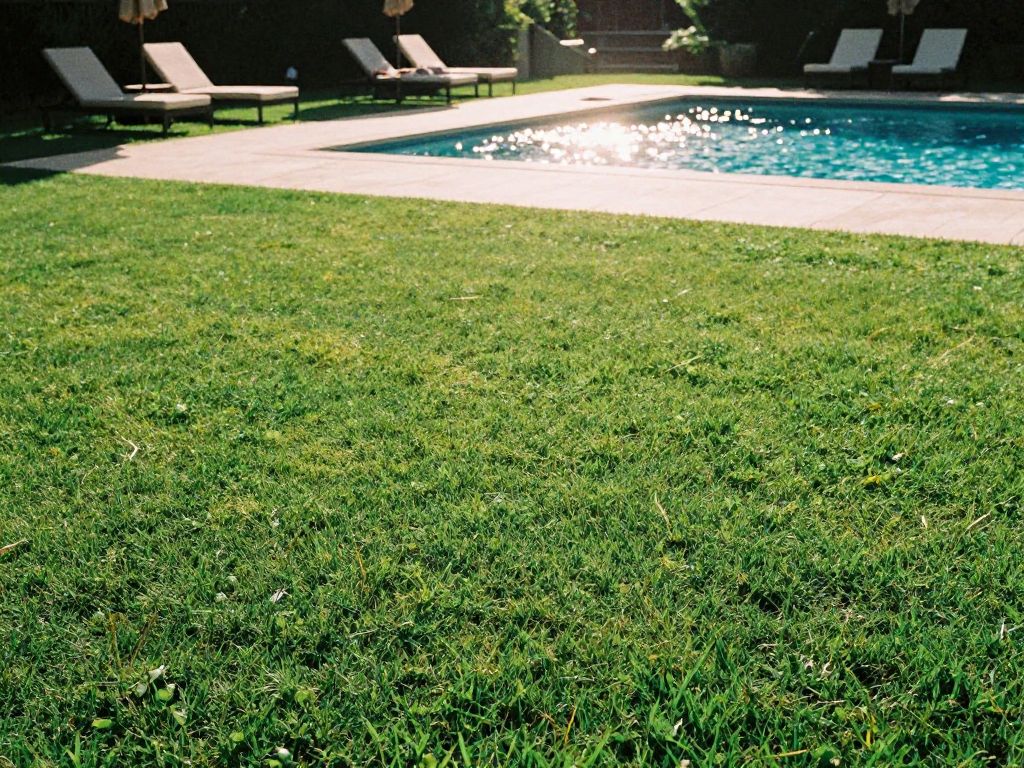
UV-Resistant Turf Options for Pools & Outdoor Spaces (What to Choose and Why It Matters)
If you’re searching for UV-resistant pool turf options, you’re likely asking one core question:
“What kind of turf can handle harsh sun around my pool without fading, overheating, or breaking down?”
Here’s the short answer upfront:
- Look for turf engineered with UV-stabilized fibers (usually polyethylene or nylon)
- Choose a lighter, natural-looking color blend (not ultra-dark green)
- Prioritize higher face weight and heat-reflective or cooling tech
- Pick drainage-friendly backing to handle splashes and pool runoff
- Confirm the turf is chlorine- and salt-resistant as well as UV-resistant
The rest of this guide breaks down what that actually means, how UV-resistant turf works, the main options you’ll see, and how to compare them for your own pool or outdoor space.
Why UV-Resistant Turf Matters More Around Pools
Pools and outdoor entertaining areas are usually:
- In full sun (peak UV exposure daily)
- High-traffic (bare feet, furniture, kids, pets)
- Constantly wet or damp (splash zones, rinsing, pool cleaning)
Without reliable UV resistance, turf in these areas can:
- Fade to a dull, washed-out green or even yellow
- Get noticeably hotter under direct sun
- Grow brittle, flatten, or wear out prematurely
- Lose the realistic look that made you consider turf in the first place
UV-resistant pool turf options are specifically engineered to:
- Resist color fading and fiber breakdown
- Reflect or dissipate more heat than standard turf
- Handle water, chemicals, and strong sun at the same time
The Main Types of UV-Resistant Turf Used Around Pools
Most high-quality poolside turfs are built from one or more of these fiber types:
- Polyethylene (PE) UV-stabilized turf
- Nylon (PA) UV-stabilized turf
- Hybrid blends (PE + PP + nylon, with UV stabilization)
Below is a simplified comparison:
| Turf Type | UV Resistance | Softness Underfoot | Heat Behavior | Typical Use Around Pools |
|---|---|---|---|---|
| UV-stabilized Polyethylene | High | Very soft | Can warm; better with cooling tech | Pool surrounds, lounging zones, kids’ play areas |
| UV-stabilized Nylon | Very high | Firmer | Holds more heat; very durable | High-traffic areas, edges, steps, landings |
| Hybrid / Blend Systems | High–Very high | Balanced | Varies by mix; often optimized | Mixed-use pool decks, active family spaces |
Think of UV-resistant polyethylene turf as your “comfort-first” option and nylon as your “durability-first” option. For most residential pools, a polyethylene or hybrid turf with UV stabilization gives the best balance of comfort, durability, and appearance.
Core Features to Look for in UV-Resistant Pool Turf Options
When you’re evaluating UV-resistant turf for pools and outdoor spaces, focus on these key features first.
1. UV-Stabilized Fibers (The Non-Negotiable)
- Look for “UV-stabilized” fiber in the specifications
- UV stabilizers are compounds added to fibers to resist:
- Color fading
- Fiber brittleness
- Cracking and premature wear
- Longer, stronger UV warranties (e.g., 8–15 years) usually signal better-quality stabilization
Why it matters around pools: Pool decks are often the most sun-exposed areas in a yard. Without UV stabilization, turf can degrade much faster here than in shaded lawn zones.
2. Color & Shade: Lighter Blends = Cooler + More Natural
Color isn’t only about aesthetics; it’s directly tied to how hot the surface can get.
- Lighter green blends and multi-tone fibers (different shades of green with tan/brown thatch) tend to:
- Absorb less heat
- Look more like natural grass in full sun
- Very dark, artificial-looking green often:
- Heats up more
- Shows fading more dramatically over time
For pool and patio edges, a natural, slightly lighter green blend usually gives you both better comfort and a more realistic look in bright sunlight.
3. Heat Management: UV Resistance vs. Real-World Comfort
UV resistance stops fading and fiber damage, but it doesn’t automatically make turf cool.
To manage heat better, look for:
- Heat-reflective coatings or pigments
- Lighter fiber colors
- Turf marketed with cooling technology or lower surface temperature claims
Because pool areas combine UV, bare feet, and wet skin, it’s worth paying attention to both UV stability and heat behavior. If you’re exploring cooling strategies more deeply, it connects directly with broader turf cooling techniques you can use alongside UV-resistant materials for maximum comfort.
4. Backing & Drainage: Essential for Splash Zones
UV-resistant pool turf options also need strong, water-ready backing:
- Perforated backing for fast vertical drainage
- Double or triple-layer backing for stability and longevity
- Mold- and mildew-resistant materials to handle constant moisture
Around pools, efficient drainage helps:
- Prevent puddles and slippery patches
- Reduce odor and bacteria growth
- Protect infill and backing from water damage
5. Fiber Pile Height & Density (Face Weight)
Two specs play a big role in how turf looks and performs:
- Pile height (typical pool turf: 1.0"–1.75")
- Face weight (oz of fiber per sq ft; higher = denser)
For pool areas, a medium pile height and moderate-to-high face weight usually works best:
-
Shorter to medium pile (1.0"–1.5")
- Dries faster
- Easier to clean debris, sunscreen spills, and food
- Less likely to mat under lounge chairs
-
Dense face weight
- Feels plush under bare feet
- Maintains a fuller, greener look even as it ages
6. Chlorine & Salt Water Resistance
Pools bring specific chemical challenges:
- Chlorine pools: Can accelerate wear on lower-quality plastics
- Saltwater pools: Salt and minerals can build up and stress fibers over time
When comparing UV-resistant pool turf options, check if the product is described as:
- Chlorine-resistant
- Salt-resistant
- Or explicitly tested for poolside environments
Best UV-Resistant Turf Options by Use Case Around Pools
Below are practical categories to help match turf types to how you actually use your pool and outdoor space.
1. Lounge & Sunbathing Areas
Best fit: UV-stabilized polyethylene turf with cooling features
Look for:
- Soft, mid-height pile (around 1.25"–1.5")
- UV-stabilized PE fibers
- Lighter, natural color blends
- Enhanced heat management (cooling tech, lighter tones)
Ideal if you want:
- Comfortable barefoot walking
- A “resort lawn” feel next to the pool
- A visually lush, non-scorching surface in peak sun
2. Kids’ Play Zones & Splash Areas
Best fit: UV-resistant turf with strong drainage + high resilience
Key features:
- UV-stabilized PE or hybrid fibers
- Pile height around 1.0"–1.25" for easier clean-up
- High drainage rate to handle constant splashes
- Optional shock pad underneath for softer impact
Why it works:
- Holds up to running, games, and toys
- Dries faster after splash sessions
- Stays visually consistent even with heavy sun and traffic
3. Walkways, Steps, and High-Traffic Edges
Best fit: UV-stabilized nylon or dense hybrid turf
Look for:
- UV-stabilized nylon or nylon-blend fibers
- Lower pile height (0.75"–1.25") for stability
- High density and strong backing
Best used where:
- People frequently enter/exit the pool
- Furniture or grills are moved often
- You need edge stability and extra durability more than plush softness
4. Mixed-Use Pool Decks & Outdoor Living Rooms
Best fit: UV-resistant hybrid systems
Good for spaces that blend:
- Pool surround
- Outdoor dining
- Lounge seating
- Kids’ and pets’ areas
Helpful features:
- Hybrid fiber mix for balanced softness and strength
- UV-stabilized fibers plus good drainage
- Pile height and density tuned for both comfort and durability
How UV-Resistant Turf Holds Up Over Time
When properly selected and installed, UV-resistant pool turf options typically:
- Maintain color for many seasons under direct sun
- Show gradual, even softening rather than patchy failure
- Avoid the “brittle straw” effect of non-UV-stabilized turf
- Keep their structure longer, especially in high-sun, high-use zones
What still affects lifespan:
- Intensity of your local climate (UV index)
- How often you brush/clean the turf
- Furniture use (static vs. frequently moved)
- Pets, heavy toys, or sports activity in those zones
Installation Considerations for Poolside Turf
Even the best UV-resistant turf options need the right installation approach to perform well by a pool.
Key factors:
-
Sub-base preparation
- Stable, well-compacted base (usually crushed rock / decomposed granite)
- Proper slope away from the pool edge where appropriate
-
Drainage design
- Clear pathway for water to move through the turf and sub-base
- Attention to where splash water and rain ultimately go
-
Edge treatments
- Secure seams and borders so turf doesn’t lift near coping or decking
- Thoughtful transitions between turf, pavers, and pool coping
-
Infill choice
- Non-absorbent infill to avoid odors and bacteria
- Consider infills that help manage heat where possible
Maintenance Tips for UV-Resistant Turf Around Pools
UV-resistant pool turf options are generally low-maintenance, but not zero-maintenance.
Simple routines that help:
-
Rinse regularly
- Remove chlorine, salt, sunscreen, and drink spills
- Help manage surface temperature, especially on very hot days
-
Brush occasionally
- Use a stiff broom or power brush to lift fibers
- Keep the surface looking full and prevent matting in lounge areas
-
Spot clean
- Address food or drink spills quickly
- Use mild soap and water for heavier spots
-
Check edges and seams
- Inspect periodically for lifting, especially in high-traffic entry/exit points
When UV-Resistant Turf Is (and Isn’t) the Right Choice Around Pools
UV-resistant pool turf options are a strong fit if you want:
- A green, lawn-like look around the pool without mud or bald spots
- A softer, more forgiving surface than concrete in some areas
- Lower day-to-day maintenance than natural grass
- Reliable performance in full sun, year after year
You may want to rethink or mix surfaces if:
- You have strict HOA or building rules limiting turf
- You expect heavy use from grills, fire pits, or very hot metal furniture
- You need a fully non-combustible surface in specific code-regulated spots
In many cases, a hybrid design (turf + pavers + decking) gives the best combination of aesthetics, drainage, comfort, and practicality.
FAQ: UV-Resistant Turf Options for Pools & Outdoor Spaces
| Question | Answer |
|---|---|
| Does UV-resistant turf stay green in full sun? | Yes, UV-stabilized fibers are engineered to resist fading and breakdown. Over many years, you may see gentle, even softening of color rather than patchy yellowing, especially in very intense climates. |
| Is UV-resistant turf cool to the touch? | UV resistance alone doesn’t guarantee a cool surface. Heat depends on fiber color, material, infill, and whether the turf uses cooling technology. For pool areas, combine UV-stable fibers with lighter tones and, when possible, dedicated cooling features. |
| Can I install turf right up to the pool edge? | Yes, many people do. Proper edge detail and drainage are critical. Installers often use secure edging and plan drainage so splash water doesn’t collect under the turf or against the pool structure. |
| Will chlorine or salt water damage UV-resistant turf? | Quality poolside turf is typically formulated to handle chlorine and salt. Long-term performance depends on fiber quality and maintenance. Regular rinsing helps minimize buildup from chemicals and minerals. |
| How long does UV-resistant turf last around a pool? | Lifespan varies, but many modern UV-resistant turf products are designed for 8–15+ years of use in residential settings, particularly with basic maintenance and proper installation. |
| Does UV stabilization prevent all fading? | It dramatically reduces fading and structural damage from UV, but no outdoor material is completely immune to time and weather. High-quality UV-resistant pool turf options age more slowly and more evenly than non-stabilized turf. |
| How do UV-resistant turf options compare to real grass around pools? | Real grass can be cooler underfoot but brings mud, uneven wear, and constant maintenance. UV-resistant turf offers consistent color, no mud, lower upkeep, and easier cleaning—especially valuable in high-use, splash-heavy pool zones. |
| Can UV-resistant turf be used in shaded or partly shaded areas too? | Yes. UV stabilization benefits the turf anywhere outdoors. In partial shade, turf may also run cooler, but you still gain protection during the hours when those areas get direct sun. |
| What else can I do to keep UV-resistant turf cooler near my pool? | Combine UV-resistant turf with lighter colors, shading (umbrellas, pergolas), and appropriate infill. Many broader turf cooling techniques work especially well when paired with UV-stable, heat-conscious turf designs. |
| Is UV-resistant turf safe for kids and pets? | Most modern UV-stabilized turfs are made from non-toxic materials and are designed to be family- and pet-friendly. Always confirm product safety standards and maintenance guidelines for your specific situation. |
Explore Related Turf Resources
Related Turf Guides
- Accessible Drainage Solutions for Turf: The Key to Truly Senior-Friendly Outdoor Spaces
If you’re exploring senior-friendly turf, accessible drainage solutions for turf are just as important as the turf itself.
- Aesthetic Comparison: Turf vs. Grass (and What Actually Looks Better Long-Term)
If you’re weighing turf pros and cons, the **aesthetic differences between turf and grass** are probably at the top of your list.
- Annual Turf Care Calendar: Your Simple, Seasonal Guide to a Healthier Lawn
If you’re wondering, “What should I be doing for my lawn right now?” the answer lives inside an **annual turf care calendar**.
- Are luxury artificial turf options worth the investment for DFW homeowners?
Yes, upgrading to luxury artificial grass offers unmatched aesthetics, superior durability, and a premium feel that significantly elevates your home’s outdoor living experience and long-term value.
- Are you tired of staring at a dull, high-maintenance patch of grass?
**Yes, you can absolutely transform your yard into a stunning, functional space with a backyard landscaping makeover, and synthetic turf is often the key ingredient for DFW homeowners.**