
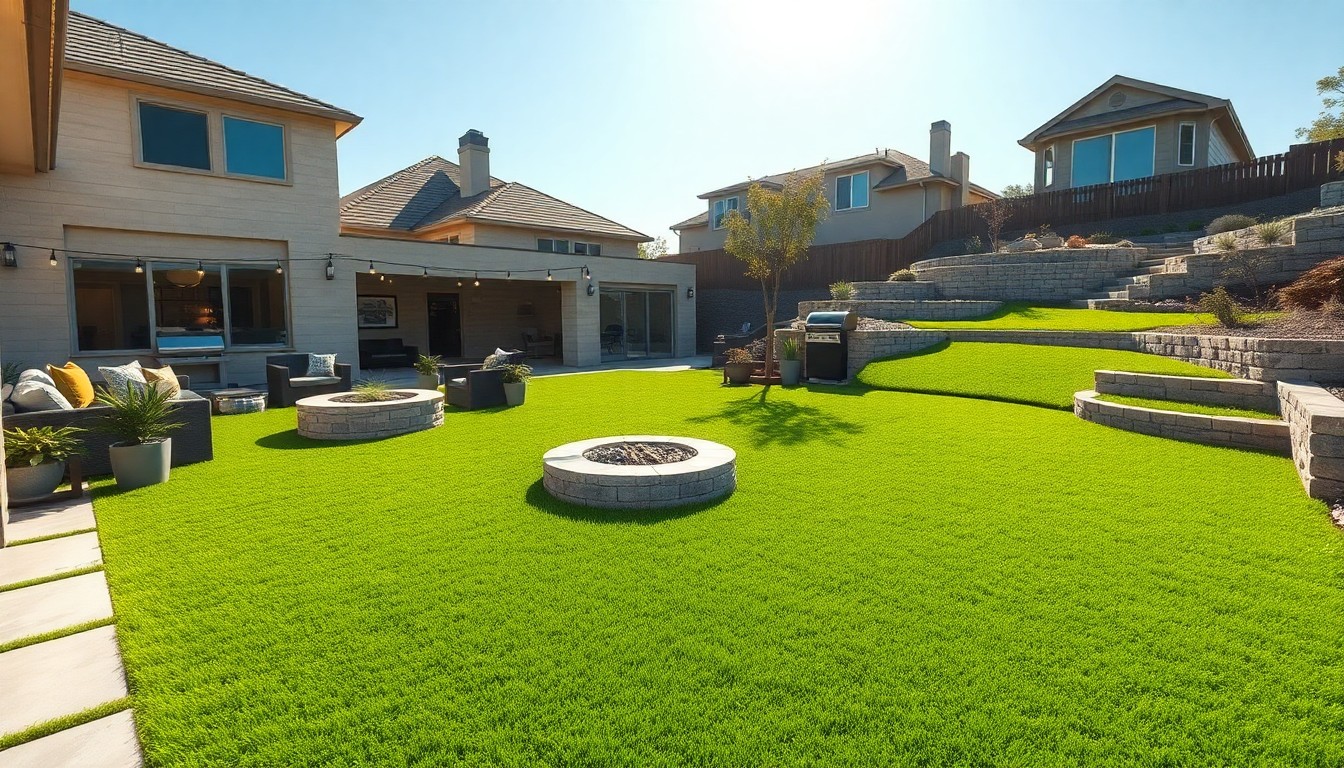
Rooftop Garden Turf Ideas: How to Turn Any Roof or Patio into a Green Escape
If you’re looking for rooftop garden turf ideas, here’s the core answer up front:
Artificial turf makes it possible to transform hard, unused rooftop and patio surfaces into soft, green, low‑maintenance outdoor rooms. You can use rooftop garden turf to create lounge areas, dining spaces, mini dog parks, or even poolside-style decks—without the weight, mess, and upkeep of natural grass.
Once you understand the basic components (a stable base, proper drainage, and the right turf), you can mix and match design ideas to fit almost any roof, balcony, or patio layout.
Below, we’ll walk through:
- Practical rooftop garden turf ideas you can use right now
- What makes turf work on rooftops and patios
- Design tips for small, medium, and large spaces
- How rooftop & patio turf relates to pool and balcony setups
- Answers to common questions people have before they start
Why Rooftop Garden Turf Is So Popular Right Now
Rooftop and patio spaces have shifted from “nice-to-have” to essential living areas. Turf fits into this shift because it:
- Softens hard urban environments
- Adds an instant “backyard” feel where no soil exists
- Requires far less upkeep than natural grass
- Works in tight spaces where plants struggle
People are spending more time at home, and rooftops or patios are often the only outdoor square footage available—especially in cities. Rooftop garden turf ideas are a way to reclaim that space and make it usable, beautiful, and comfortable.
Rooftop Garden Turf Ideas You Can Use Right Away
1. The “Outdoor Living Room” Rooftop
Turn your rooftop into a full-on living room with turf as the “carpet” that ties everything together.
Key elements:
- Turf field running wall-to-wall, or zoned into a main seating area
- Low-profile seating such as modular outdoor sofas or floor cushions
- Coffee table or low table for casual dining or laptop work
- String lights or lanterns to define the ceiling line at night
- Planters with tall grasses or small trees to create a sense of enclosure
Why it works:
- Turf makes bare rooftops feel finished and cozy.
- The consistent green surface visually expands smaller spaces.
- It’s comfortable enough for barefoot lounging and floor seating.
2. Rooftop “Garden Rooms” with Turf Zones
If you have a larger rooftop, you don’t need turf everywhere. Instead, use turf to carve out functional “rooms.”
Zoning ideas:
-
Lounge zone
- Medium-pile turf for softness under lounge chairs
- Cluster of seating facing a city view or focal point
-
Dining zone
- Shorter-pile turf under a dining table for stability
- Overhead shade sail or pergola
-
Play or yoga zone
- Cushioned underlay beneath turf for comfort
- Minimal furniture—just mats, blocks, or toys
Benefits of a zoned design:
- Each area feels intentional rather than random.
- Different turf types or pile heights can match each zone’s use.
- You can add wood decking, pavers, or stone borders for contrast.
3. Small Balcony & Patio Turf Nooks
Not every space is a full rooftop. Even narrow balconies or small patios can benefit from turf.
Ideas for compact spaces:
- Turf “rug”: Cut turf to fit a portion of the floor, like a large area rug.
- Reading corner: Add a single lounge chair or floor cushion, small table, and one tall plant.
- Mini dog lounge: Use turf in one corner with a pet bed and toy basket.
Design tricks for tiny areas:
- Use vertical planters to keep floor space open.
- Choose furniture that folds or stacks to maintain flexibility.
- Run turf wall-to-wall in very small balconies to maximize the sense of space.
This same thinking also works if you’re considering turf for elevated outdoor areas like poolside balconies, terraces, and other upper-level spaces. For more detail on that specific setup, see how rooftop & patio turf ideas cross over with pool & balcony turf layouts.
4. Rooftop Turf for Entertaining & Social Spaces
If your rooftop is a gathering spot, think of turf as the foundation for social flow.
Entertaining-focused ideas:
- Central turf “courtyard” surrounded by seating on all sides
- Built-in bench seating along the perimeter with turf in front
- Movable ottomans and stools that can be rearranged for gatherings
- Outdoor bar or serving counter at one edge, on hardscape or decking
Practical touches:
- Mix turf with pavers to create walking paths that protect high-traffic areas.
- Place heavier furniture on small paver pads set into the turf to avoid dents.
- Include soft lighting (path lights or up-lights in planters) to extend use at night.
5. Rooftop “Green Escape” for Relaxation
Some rooftops are meant primarily for quiet time rather than parties.
Calming turf-based design elements:
- Continuous turf field with only a few key furnishings
- Hammock or hanging chair mounted safely to structural supports
- Low, simple furniture that doesn’t clutter sightlines
- Layered plants: low groundcover pots, mid-height shrubs, and a few taller focal plants
To enhance the “retreat” feeling:
- Keep the color palette simple: greens, neutrals, maybe one accent color.
- Use sound elements like a small tabletop fountain or soft speakers.
- Add shade elements (sail shades, umbrellas) to make midday use comfortable.
6. Rooftop Turf for Kids and Pets
Rooftops can double as backyards when designed for kid and pet use.
For kids:
- Soft turf area with impact padding underneath for safer play
- Portable play structures (tents, tunnels, balance beams) that can be moved as needed
- Chalkboard wall or art corner instead of cluttering the turf
For pets:
- Dedicated turf potty zone with easy-clean drainage solutions
- Separate “play zone” so the entire roof isn’t a restroom area
- Shaded rest area with water and a pet bed
Considerations:
- Choose durable, pet-friendly turf that resists wear and is easy to clean.
- Make sure any toys or structures are lightweight and stable on the turf surface.
How Rooftop & Patio Turf Actually Works
To make any of the rooftop garden turf ideas above successful, it helps to know the basics of how the system works.
Core Components of a Rooftop Turf Setup
Most rooftop turf installations include:
-
Sub-base or support layer
- Often rigid panels or a raised pedestal system (especially over waterproof membranes)
- Sometimes a thin leveling compound or mat, depending on the structure
-
Drainage layer
- Allows water to move under the turf and reach roof drains
- Can be perforated panels, mesh, or specialty drainage mats
-
Artificial turf
- Backed with perforations so water can pass through
- Pile height and density chosen for how the space will be used
-
Infill (optional)
- Sand or alternative materials brushed into the turf to support fibers and weigh it down
- Sometimes omitted or minimized for certain rooftop conditions
The goal is to protect the roof structure and waterproofing while making the surface comfortable, stable, and long-lasting.
Drainage: The Non-Negotiable for Rooftop Turf
Drainage is the key technical factor for rooftop and patio turf.
A good drainage plan:
- Channels water away from building edges and doors
- Prevents water from pooling under turf (which can cause odors or damage)
- Keeps the surface drier and more comfortable after rain
Checklist to consider:
- Is there existing roof drainage (scuppers, drains, or slopes)?
- Will the turf system maintain or improve that drainage, not block it?
- Are there low spots that might need leveling or special treatment?
Weight and Structural Considerations
Any rooftop or patio project should respect the building’s capacity.
Common practices:
- Choosing lighter turf systems or thinner underlayments when weight is a concern
- Avoiding heavy soil-filled planters in areas with limited capacity
- Using modular planters and lightweight furniture instead
It’s common to coordinate with building management or a structural expert when planning larger rooftop garden turf ideas, especially on older buildings.
Design Tips Specific to Rooftop & Patio Turf
Picking the Right Turf Look and Feel
Things to think about:
-
Pile height
- Short (under about 1.25"): firmer feel, good under dining sets and heavy furniture
- Medium: versatile and comfortable, works for most rooftop uses
- Longer: softer but can mat under furniture or heavy foot traffic
-
Color tone
- Slightly varied greens look more natural than a single flat shade
- Some people prefer a slightly darker tone to balance bright roof light
-
Texture and density
- Denser turf feels more cushioned and looks more lush
- Lighter, more open turf dries faster and weighs less
Combining Turf with Other Materials
Rooftop garden turf works best when it’s part of a mixed-material design.
Great pairings:
- Turf + wood decking
- Warm, natural feel; clear zones for lounging vs. dining
- Turf + pavers or stone
- Practical walkways with green “soft zones” for sitting and play
- Turf + gravel bands
- Great for drainage and visual separation without a lot of weight
Using these combinations lets you:
- Keep traffic on durable surfaces while preserving turf quality
- Make furniture more stable
- Create clear paths to doors, stairs, and mechanical equipment
Lighting & Privacy for Rooftop Turf Spaces
Once the turf is down, two finishing layers make the biggest difference: light and privacy.
For lighting:
- String lights from wall to wall or post to post
- Solar path lights along key walkways
- Lanterns or portable lamps for tables
For privacy:
- Tall planters with grasses or bamboo along railings
- Lattice panels with climbing plants
- Outdoor curtains or fabric screens around seating nooks
These details turn your rooftop garden turf ideas into spaces that feel like real rooms, not just dressed-up roofs.
How Rooftop Garden Turf Ideas Connect to Pool & Balcony Turf
The same principles that make turf work on rooftops and patios also apply to:
- Pool decks on upper levels
- Balconies off apartments or condos
- Terraces that double as both pool and lounge spaces
Common threads:
- You’re often working on elevated, waterproofed surfaces.
- Drainage, weight, and slip-resistance matter more than in-ground lawns.
- Turf helps soften hardscape and defines areas for lounging, walking, or play.
If you’re curious how rooftop garden turf ideas translate into spaces with water features or elevated pools, you can explore more specific layouts and considerations in this related context: pool and balcony turf setups.
Maintaining Rooftop & Patio Turf Without a Lot of Effort
Most people choose rooftop garden turf ideas because they want a green space without heavy maintenance.
Typical upkeep:
- Regular brushing with a stiff broom to keep fibers upright
- Blowing or sweeping leaves and debris off the surface
- Rinsing occasionally, especially in dusty or high-pollution areas
- Spot cleaning spills with mild soap and water
Compared to real grass:
- No mowing
- No fertilizing or reseeding
- No mud or patchy spots
Rooftop Garden Turf FAQ
| Question | Answer |
|---|---|
| Can you really put turf on a rooftop? | Yes, as long as the system is designed for rooftops and installed over a suitable base with proper drainage. Many modern turf systems are specifically engineered for roofs, patios, and balconies. |
| Will rooftop garden turf damage my roof? | When done correctly, the turf should not damage the roof. A well-designed setup protects the existing waterproofing by adding a buffer layer and ensuring water can still flow to drains. It’s important that the installation doesn’t puncture membranes or block drainage. |
| How do I keep water from pooling under rooftop turf? | Good drainage design is key. This usually means: maintaining the roof’s existing slope, adding a drainage mat or panel system under the turf, and ensuring no edges or seams trap water. The turf backing is typically perforated to let water pass through. |
| Does rooftop turf get too hot? | Like most surfaces, turf can warm up in full sun. Lighter-colored turf, added shade (umbrellas, sails, pergolas), and occasional rinsing can help. Many people design mixed surfaces—turf plus pergolas, planters, and seating—to create cooler retreats. |
| What are some easy rooftop garden turf ideas for beginners? | Start small: a turf “rug” zone with two chairs and a table, a turf corner with a lounge chair and planters, or a narrow turf strip along one edge of the roof as a relaxation path. Focus on one clear use (reading spot, yoga space, or mini dog park) rather than everything at once. |
| Is rooftop turf safe for kids and pets? | When you choose turf made for residential use and ensure solid installation, it’s commonly used for both kids and pets. Many people add extra cushioning underneath in play areas and design a specific pet zone for easier cleaning. |
| How long does rooftop turf usually last? | Lifespan depends on turf quality, sun exposure, and usage, but many rooftop and patio turf systems are designed to last several years to over a decade with routine care. Regular brushing and gentle cleaning help maintain appearance and performance. |
| Do I need professional installation for rooftop garden turf? | For small balconies or patios, some people use modular tiles or DIY-friendly turf sections. For larger rooftops, complex drainage, or buildings with strict requirements, professional installation is often recommended to protect the structure and ensure long-term performance. |
Bringing Your Rooftop Garden Turf Ideas to Life
The basic pattern is simple:
- Start with the outcome you want: lounging, entertaining, play, or quiet retreat.
- Use turf as the foundation for that experience, not just as decoration.
- Layer in seating, shade, lighting, and plants to bring it to life.
From compact balconies to expansive rooftop decks, rooftop garden turf can turn underused surfaces into everyday outdoor rooms—comfortably green, surprisingly versatile, and tailored to how you actually live.
Explore Related Turf Resources
Related Turf Guides
- Backyard Golf Ideas: How to Turn Your Yard into a Personal Putting Playground
If you’re looking for backyard golf course ideas that feel fun, low-maintenance, and actually help your game, start with this simple principle:
- Backyard Putting Green Cost Estimate
The cost of an expertly installed artificial turf putting green for a DFW home typically ranges based on size, complexity, turf quality, and necessary ground preparation. Homeowners should anticipa...
- Ball Roll Speed Optimization: The Definitive Guide to Achieving Tournament-Grade Consistency on Your Artificial Putting Green
Ball Roll Speed Optimization: The Definitive Guide to Achieving Tournament-Grade Consistency on Your Artificial Putting Green
- Best Home Chipping Practice Turf
The ideal artificial turf for a home chipping practice area is a densely packed, short-pile synthetic grass designed to replicate the tight lie of a professional fairway or fringe, ensuring clubs interact cleanly with the "ground" for consistent ball striking and realistic performance.
- Can I install artificial turf directly over a concrete patio or slab?
Yes, absolutely! Installing artificial turf over concrete is an excellent way for DFW homeowners to transform drab, hard surfaces into beautiful, soft, and functional green spaces.