
The Definitive Guide to Artificial Turf Life Cycle Assessment (LCA)
##?
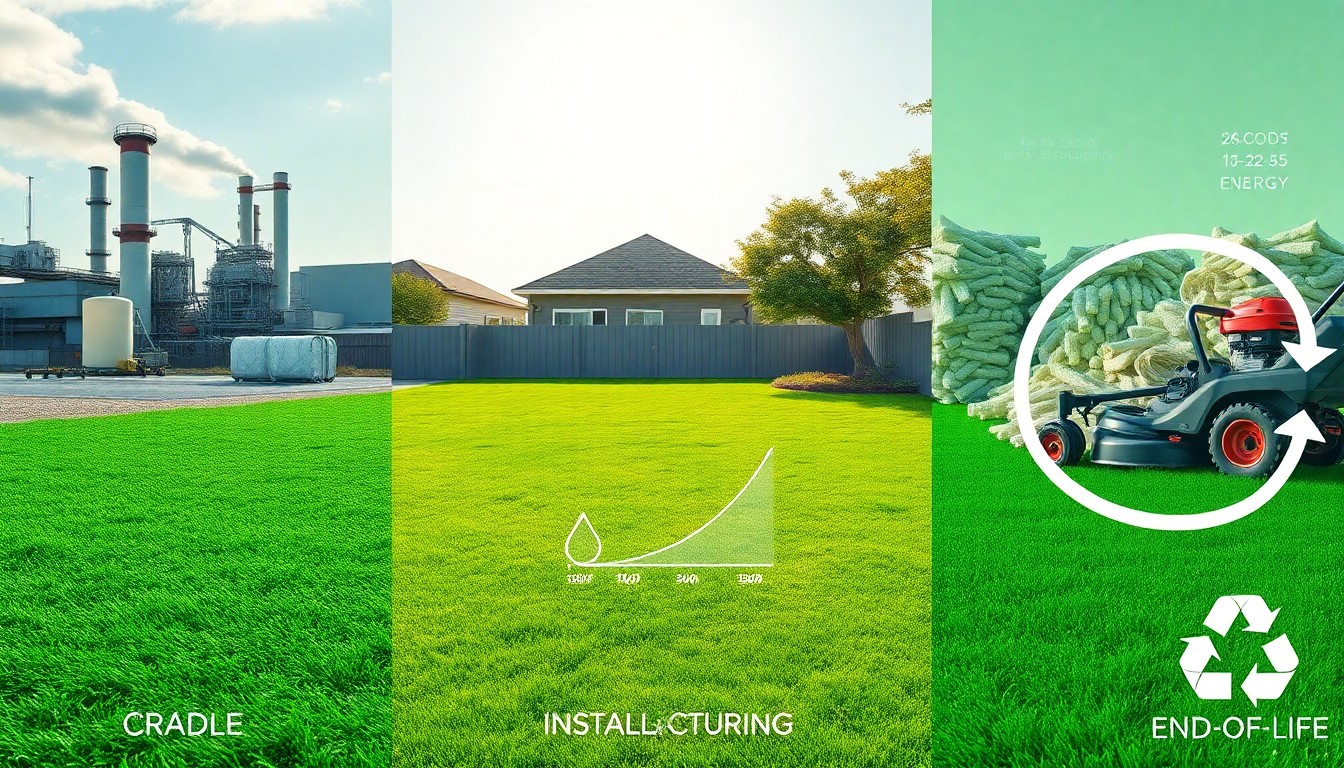
A Turf Life Cycle Assessment (LCA) is a rigorous, scientific method used to calculate the total environmental impact of artificial turf, from raw material extraction (cradle) through manufacturing, installation, 15-25 years of use, and final disposal or recycling (grave). For solution-aware DFW homeowners, understanding the LCA is crucial for making a truly informed decision about the long-term ecological footprint and sustainability profile of their synthetic lawn investment.
2. Deep Dive (Detailed Why and How)
What the LCA Actually Measures
The Life Cycle Assessment moves beyond surface-level comparisons to quantify specific environmental burdens. It addresses key metrics across the turf's entire existence, including: * Manufacturing Stage: Energy consumption, greenhouse gas emissions from polymer production (polyethylene, polypropylene), and resource use.
- Installation Stage: Logistics, transportation emissions, and waste generated from the sub-base materials (like crushed granite) and turf rolls.
- Use Phase (The Most Critical Phase): This is where artificial turf gains significant environmental advantages over natural grass. The LCA accounts for the near-zero usage of water, fertilizers, pesticides, and the reduced need for fuel and electricity for mowing.
- End-of-Life Phase: The energy and infrastructure required for proper removal, recycling, and disposal of the turf materials.The True Trade-Off: Upfront Cost vs. Long-Term Savings
Traditional lawns have a low initial environmental impact but require immense inputs (water, chemicals, fuel) every week for decades. Artificial turf has a higher initial "carbon debt" due to manufacturing, but this debt is offset significantly during the long usage phase by eliminating water and maintenance inputs.
In regions like DFW, where drought conditions are common and lawn irrigation is resource-intensive, the water savings alone often generate a strong environmental return on investment, reducing local water stress and utility demand.Importance of Sourcing and Certification
The quality and sourcing of the turf material directly influence the LCA results. Modern, high-grade turf made with recycled polymers or specific non-toxic infills tends to perform better in an LCA. Homeowners should look for manufacturers transparent about their processes, as this provides assurance regarding the quality of materials and commitment to minimizing production impacts.
3. Quick Reference (Bulleted Key Takeaways)
- Definition: LCA assesses environmental impact from raw material sourcing through disposal (cradle-to-grave).
- Trade-off: High initial environmental cost (manufacturing) is often outweighed by decades of low environmental maintenance costs (zero water/chemicals).
- Key Factor: Water conservation in the DFW region provides the largest LCA benefit during the turf's operational lifespan.
- Transparency: Reputable manufacturers should be transparent about their product's composition and end-of-life recycling programs.
4. Strategic Hyperlink
To verify the quality and manufacturing commitments of your chosen turf product, we highly recommend reviewing documentation on industry standards and third-party validation in our guide on the long-term environmental impact of turf materials.
Explore Related Turf Resources
Related Turf Guides
- Accessible Drainage Solutions for Turf: The Key to Truly Senior-Friendly Outdoor Spaces
If you’re exploring senior-friendly turf, accessible drainage solutions for turf are just as important as the turf itself.
- Aesthetic Comparison: Turf vs. Grass (and What Actually Looks Better Long-Term)
If you’re weighing turf pros and cons, the **aesthetic differences between turf and grass** are probably at the top of your list.
- Annual Turf Care Calendar: Your Simple, Seasonal Guide to a Healthier Lawn
If you’re wondering, “What should I be doing for my lawn right now?” the answer lives inside an **annual turf care calendar**.
- Are luxury artificial turf options worth the investment for DFW homeowners?
Yes, upgrading to luxury artificial grass offers unmatched aesthetics, superior durability, and a premium feel that significantly elevates your home’s outdoor living experience and long-term value.
- Are you tired of staring at a dull, high-maintenance patch of grass?
**Yes, you can absolutely transform your yard into a stunning, functional space with a backyard landscaping makeover, and synthetic turf is often the key ingredient for DFW homeowners.**