
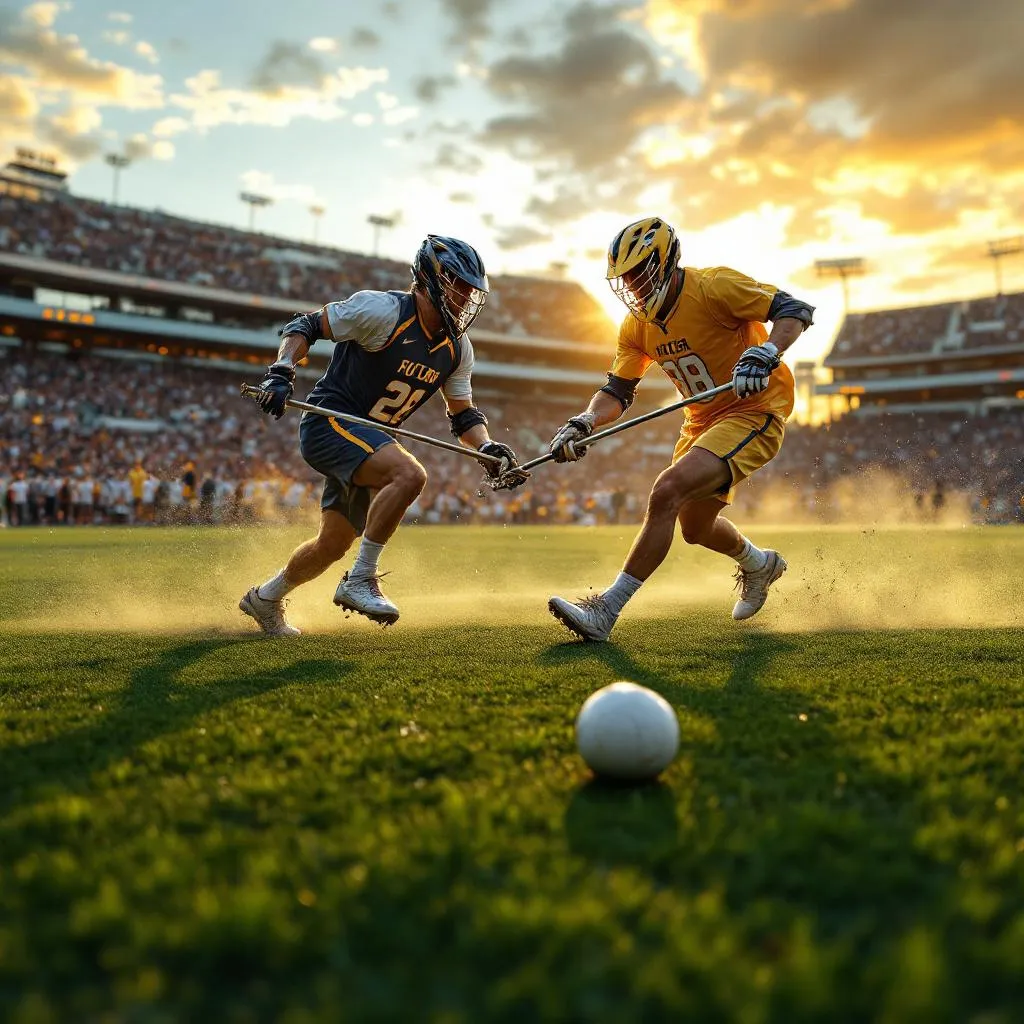
The Definitive Guide to High-Performance Synthetic Lacrosse Turf
##?
High-performance synthetic lacrosse turf is engineered specifically to maximize speed, ball roll accuracy, and player safety. The best systems utilize a carefully balanced infill and fiber blend to replicate the fast, consistent play of perfectly manicured natural grass, ensuring superior shock absorption for player impact while delivering the reliable surface necessary for competitive lacrosse.
2. Deep Dive (Detailed Why and How)
The evolution of modern lacrosse demands a field surface that can keep pace with the game's increasing speed and intensity. Natural grass fields often break down rapidly under heavy use, leading to inconsistent traction, unpredictable ball bounce, and unsafe playing conditions due to divots and mud.
Lacrosse turf systems eliminate these variables entirely.
Optimizing for Speed and Ball Performance
Unlike general-purpose field turf, a high-quality lacrosse surface focuses on specific performance metrics. The turf fibers must be durable enough to withstand aggressive cleating while maintaining a tight, short-to-medium pile height (typically 45mm to 60mm). This ensures fast ground ball movement—a critical component of competitive lacrosse.
Equally important is the infill material, which acts as the stabilization layer. Specialized infill (often coated rubber or cork/sand blends) is installed at a precise depth to control cleat penetration and reduce rotational resistance, protecting athletes' ankles and knees during rapid directional changes and cuts.
Enhanced Player Safety and Durability
Player safety is a cornerstone of professional-grade synthetic turf. The sub-base and pad layer work together to create optimal shock absorption, measured by G-Max ratings. This protection reduces the risk of concussions and lower-body injuries resulting from player-to-surface impact.
Furthermore, synthetic turf offers unparalleled durability. It resists wear from continuous practices and games, harsh weather, and UV degradation—all without the need for toxic fertilizers or excessive water. This makes it a responsible, low-maintenance choice for facilities seeking longevity and year-round playability.
3. Quick Reference (Bulleted Key Takeaways)
- Consistent Ball Roll: Engineered fiber density ensures predictable, fast ground ball movement.
- Superior Traction: Optimal infill depth stabilizes cleats for quick cuts and sprints.
- All-Weather Play: Excellent drainage ensures fields are ready immediately after rain.
- Injury Mitigation: High shock absorption (G-Max) protects athletes during falls.
- Low Maintenance: Eliminates mowing, watering, and re-sodding costs.
4. Strategic Hyperlink
If you are managing a facility that hosts multiple sports, understanding how to adjust turf specifications is key to maximizing your investment. To ensure your field can handle the demands of lacrosse alongside other events, we recommend learning how to optimize your multi-sport field for lacrosse performance.
Explore Related Turf Resources
Related Turf Guides
- Accessible Drainage Solutions for Turf: The Key to Truly Senior-Friendly Outdoor Spaces
If you’re exploring senior-friendly turf, accessible drainage solutions for turf are just as important as the turf itself.
- Aesthetic Comparison: Turf vs. Grass (and What Actually Looks Better Long-Term)
If you’re weighing turf pros and cons, the **aesthetic differences between turf and grass** are probably at the top of your list.
- Annual Turf Care Calendar: Your Simple, Seasonal Guide to a Healthier Lawn
If you’re wondering, “What should I be doing for my lawn right now?” the answer lives inside an **annual turf care calendar**.
- Are luxury artificial turf options worth the investment for DFW homeowners?
Yes, upgrading to luxury artificial grass offers unmatched aesthetics, superior durability, and a premium feel that significantly elevates your home’s outdoor living experience and long-term value.
- Are you tired of staring at a dull, high-maintenance patch of grass?
**Yes, you can absolutely transform your yard into a stunning, functional space with a backyard landscaping makeover, and synthetic turf is often the key ingredient for DFW homeowners.**