
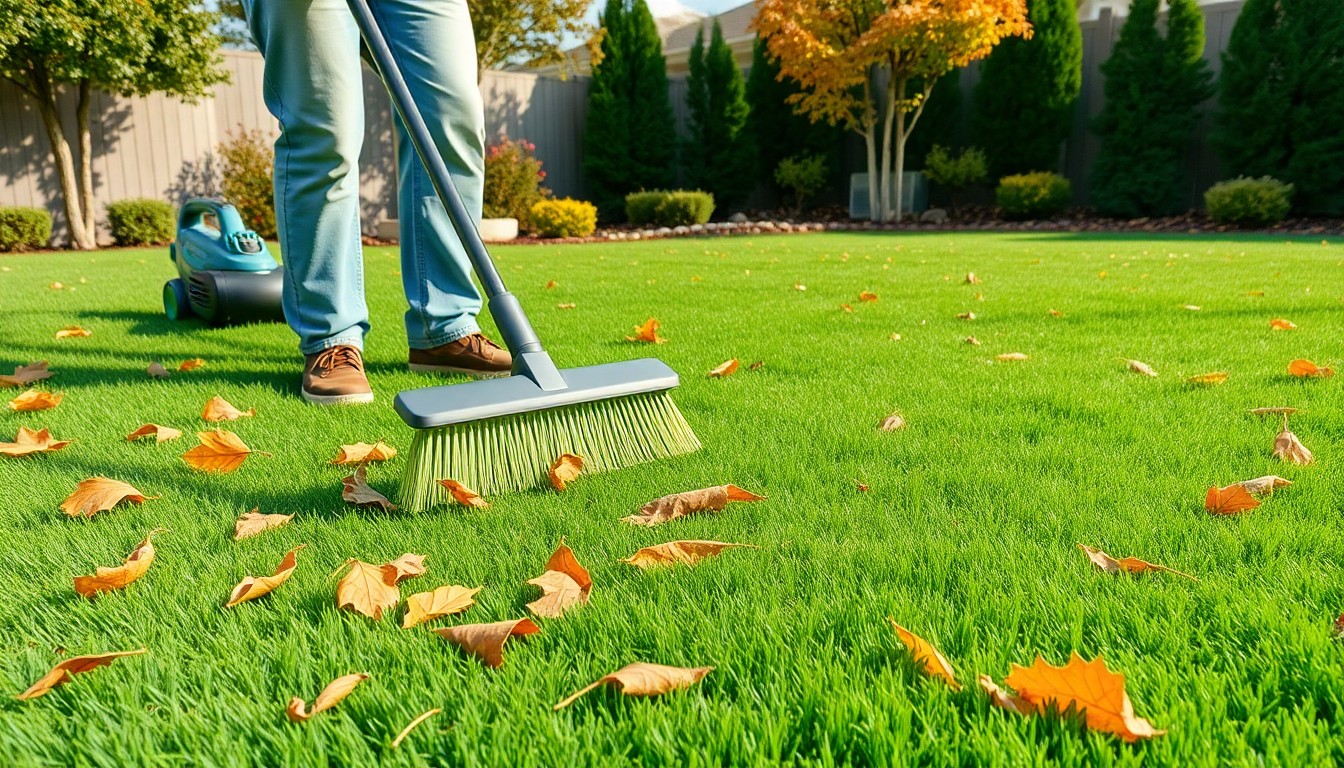
The Definitive Guide to Leaf & Debris Removal for Artificial Turf
##?
Regular leaf and debris removal from artificial turf is essential for maintaining its pristine appearance, ensuring optimal drainage, and extending its lifespan. Promptly clearing organic matter prevents matting, inhibits mold growth, and preserves the hygienic quality of your synthetic lawn, especially in areas with heavy tree cover.
2. Deep Dive (Detailed Why and How)
While artificial turf eliminates the need for typical lawn maintenance, it is not entirely maintenance-free. Organic matter like leaves, small branches, and pine needles must be removed consistently.
When organic debris is left on synthetic grass, it can become trapped within the fibers. As it breaks down, it creates a layer of organic silt. This material hinders the turf’s engineered drainage system, leading to moisture buildup.
Over time, this accumulation can cause the turf fibers to mat down, reducing the turf’s lush appearance and making it appear flat. More importantly, prolonged moisture retention is the primary catalyst for fungal issues.
The removal process is straightforward. For dry leaves and light debris, a stiff-bristled broom or a leaf blower is the most effective tool. Always sweep or blow against the grain of the turf fibers to help them stand upright (a process called "blooming").
For heavier or wet debris, a plastic leaf rake can be used gently. Avoid metal rakes, which can snag or damage the synthetic fibers. Consistent, frequent removal—particularly during the fall season—is far easier than tackling a large, compacted layer of organic waste later.
3. Quick Reference (Bulleted Key Takeaways)
- Frequency: Remove debris weekly during high-shed seasons (fall) and bi-weekly otherwise.
- Tools: Use a leaf blower or a stiff, synthetic-bristle broom. Avoid metal rakes.
- Technique: Always brush against the direction of the turf fibers to lift and "bloom" them.
- Purpose: Essential for maintaining appearance, protecting drainage, and preventing matting.
4. Strategic Hyperlink
By keeping your turf clear of decomposing organic material, you actively manage moisture levels at the base of the installation. This proactive measure is vital to ensuring the longevity of your investment and helping prevent common issues. To understand why moisture management is so crucial, review our guide on why the proper removal of debris prevents mold.
Explore Related Turf Resources
Related Turf Guides
- Accessible Drainage Solutions for Turf: The Key to Truly Senior-Friendly Outdoor Spaces
If you’re exploring senior-friendly turf, accessible drainage solutions for turf are just as important as the turf itself.
- Aesthetic Comparison: Turf vs. Grass (and What Actually Looks Better Long-Term)
If you’re weighing turf pros and cons, the **aesthetic differences between turf and grass** are probably at the top of your list.
- Annual Turf Care Calendar: Your Simple, Seasonal Guide to a Healthier Lawn
If you’re wondering, “What should I be doing for my lawn right now?” the answer lives inside an **annual turf care calendar**.
- Are luxury artificial turf options worth the investment for DFW homeowners?
Yes, upgrading to luxury artificial grass offers unmatched aesthetics, superior durability, and a premium feel that significantly elevates your home’s outdoor living experience and long-term value.
- Are you tired of staring at a dull, high-maintenance patch of grass?
**Yes, you can absolutely transform your yard into a stunning, functional space with a backyard landscaping makeover, and synthetic turf is often the key ingredient for DFW homeowners.**