
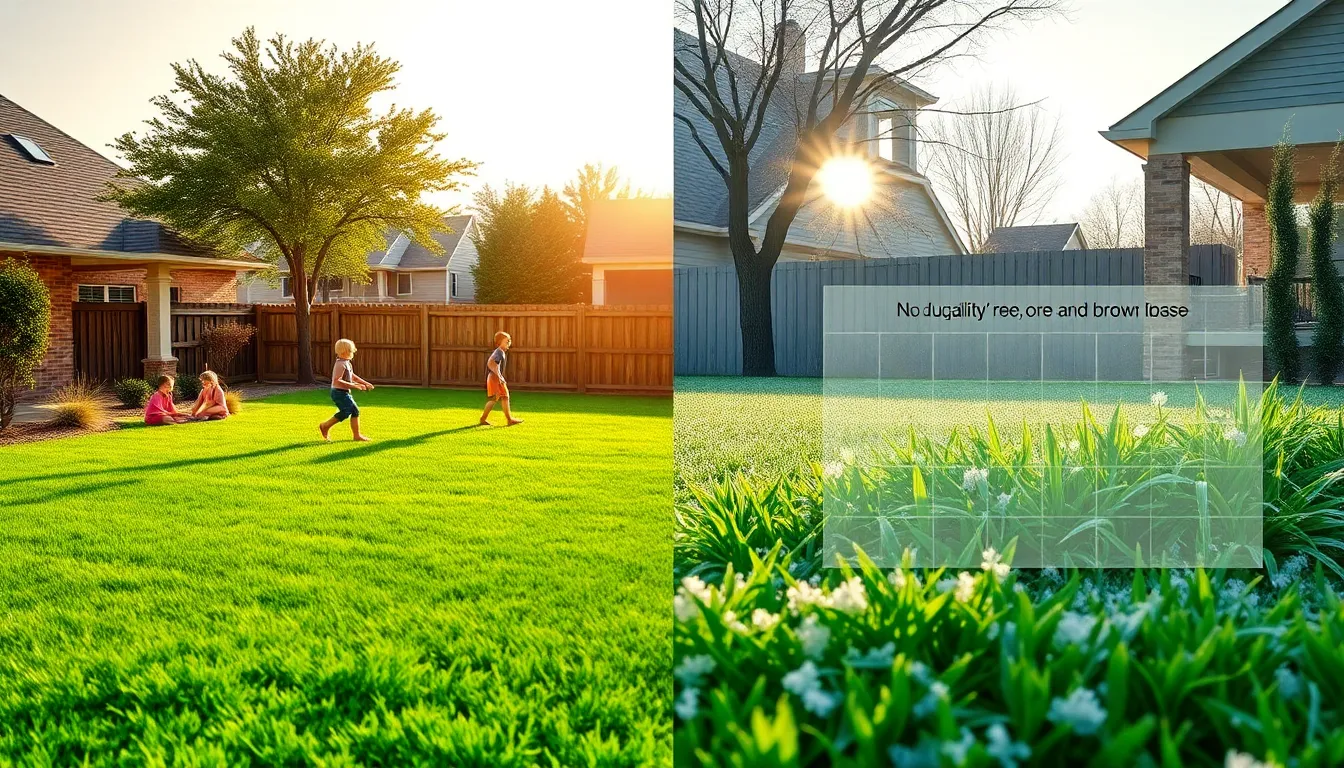
The Definitive Guide to Seasonal Durability Considerations for Artificial Turf
##?
For DFW homeowners, the durability of artificial turf is a year-round factor, depending on the material's ability to withstand extreme summer heat, winter freezes, heavy rainfall, and intense UV exposure. Seasonal durability is guaranteed through high-grade polyethylene fibers, UV stabilization, proper infill application, and a foundation designed for superior drainage, ensuring the turf retains its aesthetic and structural integrity across all Texas weather cycles.
2. Deep Dive (Detailed Why and How)
When investing in synthetic grass, solution-aware homeowners correctly ask how well it will hold up not just over years, but through the changing seasons unique to the Dallas-Fort Worth metroplex.Summer: Heat and UV Resilience
Summer poses the greatest challenge due to prolonged, intense sunlight and high temperatures. Quality turf handles this through specialized engineering: * UV Stabilization: Premium turf fibers are manufactured with built-in UV inhibitors, much like sunscreen, which prevents the polyethylene from breaking down, fading (color loss), or becoming brittle over time. This is non-negotiable for Texas durability.
- Thermal Management: While turf will always absorb heat, its ability to withstand it structurally is key. High-density, less abrasive fibers resist degradation, and proper infill (like specialized cooling infill) can mitigate surface heat, keeping the turf safer and more functional.Winter: Freeze-Thaw Cycle Management
While DFW winters are typically mild, sudden, deep freezes are common and can impact materials that retain moisture. * Non-Absorbent Fibers: Artificial turf fibers themselves do not absorb water, meaning they won't freeze and expand in the way porous materials do.
- Sub-Base Protection: The crucial element is the installation base. A well-compacted crushed granite or limestone base, combined with effective perimeter grading, prevents standing water from freezing beneath the turf, which could otherwise cause instability or heave when temperatures shift.Spring and Fall: Managing Moisture and Debris
These transitional seasons often bring heavy rains and more organic debris (leaves, pollen). The turf's drainage system is paramount during these times. * High-Flow Backing: The backing material must allow water to pass through rapidly. Whether it’s perforated or non-perforated (flow-through) backing, the goal is to prevent standing water accumulation on or under the surface.
- Fiber Recovery: After prolonged periods of being weighed down by rain or snow, the turf fibers must recover quickly. Quality polyurethane turf backing maintains its stability, and regular light cross-brushing ensures the blades stand upright, maximizing drainage and appearance.3. Quick Reference (Bulleted Key Takeaways) * UV Protection: Essential for preventing color fade and material breakdown in summer sun.
- Infill Choice: Protects the turf backing from UV rays and helps regulate surface temperature.
- Drainage Foundation: The compacted base prevents sub-surface water retention and protects against freeze-thaw instability.
- Fiber Material: Polyethylene is preferred for its resilience and non-porous nature.
- Minimal Fading: High-quality turf guarantees color consistency across all seasons, unlike natural grass which yellows.
4. Strategic Hyperlink
A properly executed installation ensures that the drainage system handles the intense, localized rainfall common to the region. To understand how we engineer your sub-base for maximum water runoff efficiency, review our detailed guide on the seasonal turf durability throughout the year.
Explore Related Turf Resources
Related Turf Guides
- Accessible Drainage Solutions for Turf: The Key to Truly Senior-Friendly Outdoor Spaces
If you’re exploring senior-friendly turf, accessible drainage solutions for turf are just as important as the turf itself.
- Aesthetic Comparison: Turf vs. Grass (and What Actually Looks Better Long-Term)
If you’re weighing turf pros and cons, the **aesthetic differences between turf and grass** are probably at the top of your list.
- Annual Turf Care Calendar: Your Simple, Seasonal Guide to a Healthier Lawn
If you’re wondering, “What should I be doing for my lawn right now?” the answer lives inside an **annual turf care calendar**.
- Are luxury artificial turf options worth the investment for DFW homeowners?
Yes, upgrading to luxury artificial grass offers unmatched aesthetics, superior durability, and a premium feel that significantly elevates your home’s outdoor living experience and long-term value.
- Are you tired of staring at a dull, high-maintenance patch of grass?
**Yes, you can absolutely transform your yard into a stunning, functional space with a backyard landscaping makeover, and synthetic turf is often the key ingredient for DFW homeowners.**