
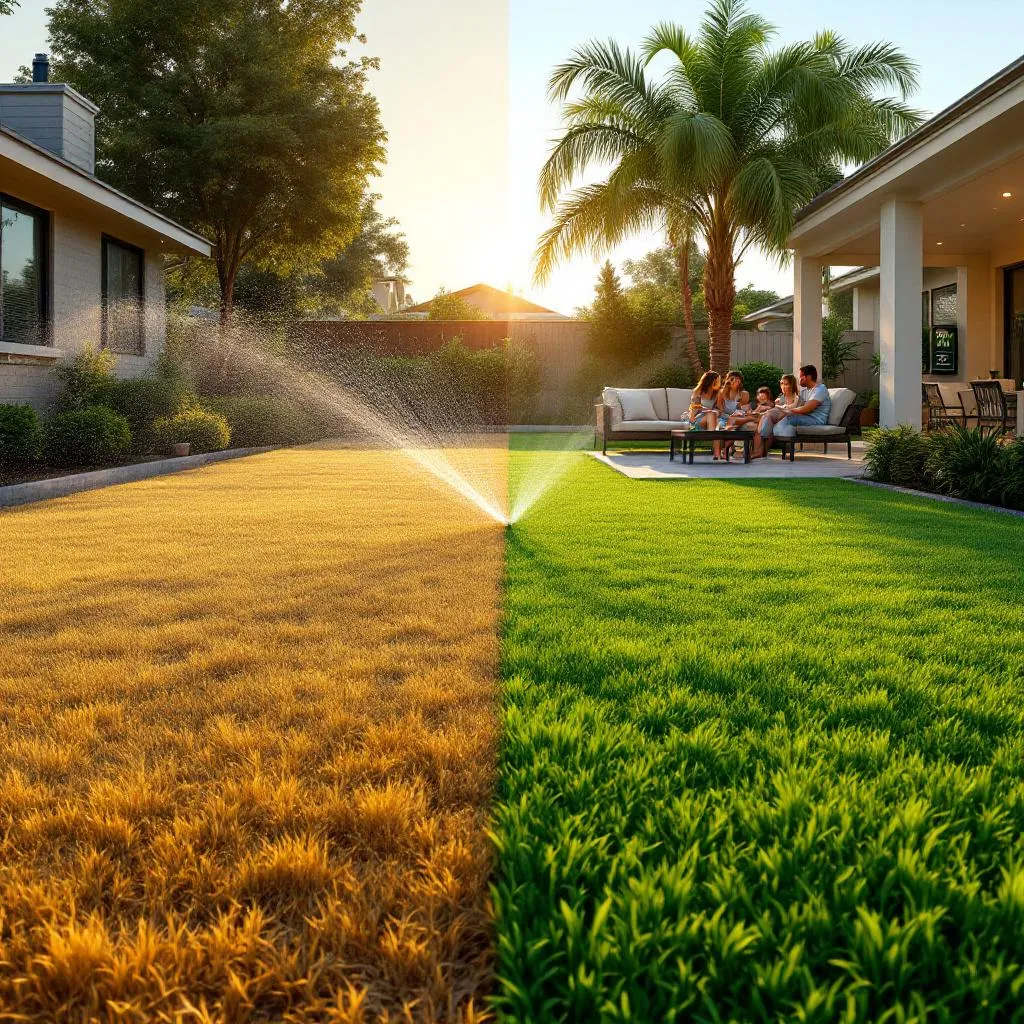
Trip-Resistant Landscaping: The Fastest Way to Make Your Yard Safer for Seniors
If you’re looking for trip-prevention landscaping tips because you’re worried about a parent, partner, or yourself taking a fall outdoors, here’s the direct answer first:
The single most effective way to reduce trip risks in a yard is to:
- Create smooth, level walking routes (no sudden changes in height)
- Eliminate small, hard-to-see obstacles (edges, roots, loose stones)
- Use stable, non-slip, senior-friendly surfaces (like soft, even turf instead of uneven grass or gravel)
- Ensure clear visibility (good lighting, high-contrast edges, simple layouts)
Everything else in trip-resistant landscaping builds on these four principles. Once you understand them, you can look at any yard and immediately spot what’s safe, what’s risky, and what to fix first.
What Is Trip-Resistant Landscaping?
Trip-resistant landscaping is the intentional design of outdoor spaces to reduce tripping and falling risks, especially for:
- Older adults and seniors
- People with balance, mobility, or vision challenges
- Young children and caregivers
Instead of focusing only on how a yard looks, trip-resistant landscaping focuses on how it feels and functions underfoot:
- Fewer uneven surfaces
- Fewer surprise changes in height
- Fewer small objects or edges that catch toes
- Better cushioning if a fall does happen
It’s directly related to senior-friendly turf, since the ground surface is where most falls start.
Why Trip-Resistant Landscaping Matters Right Now
Outdoor falls are often seen as “just accidents,” but they’re usually the result of avoidable environmental hazards, like:
- A lifted paver or loose brick
- A tree root pushing up a path
- Crumbling steps
- Worn, patchy grass with hidden holes
For seniors, those “little hazards” can mean:
- Broken hips or wrists
- Loss of independence
- Fear of going outside
Trip-resistant landscaping turns your yard from a hidden risk zone into a safer, more usable space — without sacrificing beauty.
Quick Trip-Prevention Checklist: What to Fix First
Use this list to walk your yard and spot issues right away.
- High-priority hazards to address:
- Raised or sunken pavers and stepping stones
- Uneven transitions (grass-to-concrete, deck-to-path, etc.)
- Loose gravel or rocks on walking areas
- Exposed tree roots in paths
- Cracked or broken concrete
- Slippery moss, algae, or leaves on walkways
- Garden hoses or cables across walking routes
- Very narrow paths that force “tightrope” walking
Fast, impactful improvements:
- Level or replace unstable pavers
- Widen narrow paths to at least 36 inches where possible
- Add non-slip textures to ramps and steps
- Replace loose groundcover on main paths with smooth, stable surfaces
- Upgrade to soft, senior-friendly turf in high-use zones to provide an even, trip-resistant surface with some cushioning
Design Principles for Trip-Resistant Landscaping
Think of your yard in three layers: surface, layout, and visibility. Each layer can either reduce or increase trip risk.
1. Surface: What’s Underfoot Matters Most
The ground is where most trip hazards live. Senior-friendly surfaces should be:
- Even and predictable
- Firm but not harsh
- Non-slip in wet or dry conditions
Best Surfaces for Trip-Resistant, Senior-Friendly Yards
-
Smooth, well-installed turf (natural or synthetic)
- Minimizes small holes and bumps
- Reduces glare compared to plain concrete
- Can offer softer landings if a fall occurs
-
Broom-finished concrete or textured pavers
- More grip than polished stone
- Works well for high-traffic paths and driveways
-
Rubber or cushioned surfacing in activity zones
- Great near sitting areas, exercise zones, or where grandkids play
As you explore surfacing options, many people look into soft turf choices that support trip-resistant landscaping and fall reduction. If you want to go deeper into turf surfaces that help create an even, trip-free yard, see the options here:
soft turf options.
Surfaces That Increase Trip Risk
Use these carefully, or avoid them around senior walking routes:
- Loose gravel on primary paths
- Large, uneven stepping stones with gaps
- Slippery tiles, especially when wet
- Patchy grass with holes, ruts, and exposed roots
- Mulch or bark on main walkways (it shifts underfoot)
2. Layout: How People Naturally Move Through the Yard
Trip-resistant landscaping follows how people actually walk, not how we wish they’d walk.
Make Movement Obvious and Simple
-
Define clear main routes
- From house to driveway
- From door to gate
- From patio to garden or seating area
-
Avoid “tight turns” and awkward steps
- Curves should be gentle
- Steps should be clearly visible and consistent in height
-
Keep routes direct
- If everyone cuts across the lawn, consider turning that desire line into a real, safe path
Key Trip-Prevention Layout Tips
- Maintain consistent path width (ideally 36–48 inches)
- Minimize transitions between different surface types
- Group planting beds away from main walking routes
- Plan seating areas so seniors don’t have to walk far on uneven ground
3. Visibility: If You Can’t See It Clearly, You Can Trip on It
Even a well-designed path becomes risky if seniors can’t clearly see edges, changes, or obstacles.
Improve Contrast and Clarity
-
Use contrasting colors at:
- Step edges
- Ramp starts and ends
- Path borders
-
Add simple edging along turf and paths:
- Clear line where walking surface ends
- Avoid raised, toe-catching edges
Lighting for Safer Evenings
-
Path lighting at ankle or knee height
-
Motion or dusk-to-dawn lights at:
- Doorways
- Steps
- Garage and gate entries
-
Warm, indirect lighting reduces glare for aging eyes
Senior-Friendly Turf: A Core Tool for Trip-Resistant Landscaping
Because the ground surface plays such a big role in trips and falls, senior-friendly turf is often at the heart of trip-resistant landscaping.
How Senior-Friendly Turf Supports Trip Prevention
-
Smooth, consistent surface
- Fewer holes, ruts, and divots
- Less chance of a toe catching on uneven grass
-
Reduced maintenance hazards
- No low stumps or uneven mowing lines
- No sprinkler “pockets” to step into
-
Comfort underfoot
- More forgiving than hard concrete if a fall happens
- Supportive for walking, standing, or light exercise
When designing a trip-resistant yard, many homeowners explore soft turf solutions as a primary walking and activity surface. To compare different options for creating a smoother, safer, trip-free yard, you can explore more here:
soft turf options.
Practical Trip-Prevention Landscaping Tips You Can Use Today
Here are specific ways to apply trip-resistant thinking in different yard zones.
Front Path and Entry
- Ensure the path from driveway to door is:
- Wide, smooth, and non-slip
- Free of steps wherever possible
- Add:
- A small landing area at the door
- Stable handrails if steps or ramps are needed
- Clear lighting and contrasting step edges
Backyard and Patio
- Keep the main route from house to patio step-free if possible
- Transition from patio to yard with gentle slopes, not abrupt drops
- Use soft, even turf around sitting areas to reduce trip risk on uneven grass or gravel
Garden Beds and Planting Areas
- Place beds away from main walking routes
- Avoid low, hard-to-see edging that catches toes
- Use raised beds or containers to keep tools and plants off the ground
Side Yards and Narrow Spaces
- Widen paths where possible
- Keep these areas uncluttered and well-lit
- Avoid hose storage or loose items along the walking line
Maintenance Habits That Keep Your Yard Trip-Resistant
Design is only half the story; ongoing care keeps a safe yard truly safe.
Regular Safety Checks
-
Walk your paths monthly and look for:
- New cracks or raised edges
- Soft spots or depressions in turf
- Slippery build-up (moss, algae, wet leaves)
-
Fix small problems fast before they become hazards
Seasonal Adjustments
- Fall: clear leaves from paths and steps
- Winter: treat icy patches and add temporary traction where needed
- Spring: check for heaving, erosion, and root lifting after freeze-thaw cycles
Balancing Beauty and Safety in Trip-Resistant Landscaping
Trip-resistant doesn’t mean “boring” or “clinical.” You can keep your yard inviting while making it safer:
- Use colorful, low-growing plants along path edges (set back slightly to avoid overgrowth)
- Choose decorative, non-slip pavers with texture
- Incorporate soft turf and greenery for a calm, natural look
- Add comfortable seating along key routes so seniors can rest when needed
The aim isn’t to make the yard look like a facility; it’s to create a space that feels easy, welcoming, and confident to walk through.
FAQ: Trip-Resistant Landscaping and Senior-Friendly Turf
| Question | Answer |
|---|---|
| What is the first thing I should do to reduce trip hazards in my yard? | Start by walking your main routes (driveway to door, door to patio) and fix any obvious issues: raised pavers, broken steps, loose gravel, or hidden holes. Making these key paths smooth, even, and well-lit delivers the biggest safety gain quickly. |
| How does senior-friendly turf help with trip prevention? | Senior-friendly turf creates a more even, predictable surface with fewer ruts, holes, and abrupt changes in height. It reduces toe-catching spots and can offer some cushioning if a fall occurs, especially compared with hard concrete or uneven natural grass. |
| Are stepping stones safe for seniors? | They can be, but only if they are large, level, closely spaced, and set flush with surrounding surfaces. Many traditional stepping-stone paths are uneven, wobbly, and have gaps that increase trip risk. For seniors, continuous paths are usually safer. |
| What are the best materials for trip-resistant paths? | Textured concrete, well-laid pavers with minimal gaps, and smooth, stable turf are common choices. The key is an even, non-slip surface without loose pieces or sudden level changes. |
| How wide should a path be to feel safe and comfortable? | A minimum of 36 inches (about 3 feet) is recommended for basic accessibility. Wider paths (up to 48 inches) feel more comfortable for seniors, especially if walkers, canes, or side-by-side walking are common. |
| What role does lighting play in trip-resistant landscaping? | Good lighting makes it easier to see edges, steps, and obstacles, especially for aging eyes. Path lights, step lights, and consistent entry lighting reduce the chance of misjudging height or distance and tripping in low light. |
| Is gravel okay to use in a senior-friendly yard? | Gravel is generally not ideal for primary walking paths, since it shifts and can cause slips or unstable footing. If used, keep it away from main routes and consider more stable surfaces for daily walking areas. |
| How often should I check my yard for new trip hazards? | A quick monthly walk-through is helpful, with more detailed checks seasonally. Look for cracking, lifting, erosion, slippery growth, and any clutter or tools left in walking paths. |
| Can I still have a beautiful garden with trip-resistant landscaping? | Yes. The goal is to move potential hazards—like edging, tools, and uneven ground—away from main walking routes. You can still use color, texture, and plant variety; you’re just designing with safe, clear movement in mind. |
| Where can I learn more about soft turf options for safer, trip-free yards? | To explore different soft turf surfaces that support trip-resistant, senior-friendly yard design, you can review detailed choices and considerations here: soft turf options . |
Explore Related Turf Resources
Related Turf Guides
- Accessible Drainage Solutions for Turf: The Key to Truly Senior-Friendly Outdoor Spaces
If you’re exploring senior-friendly turf, accessible drainage solutions for turf are just as important as the turf itself.
- Aesthetic Comparison: Turf vs. Grass (and What Actually Looks Better Long-Term)
If you’re weighing turf pros and cons, the **aesthetic differences between turf and grass** are probably at the top of your list.
- Annual Turf Care Calendar: Your Simple, Seasonal Guide to a Healthier Lawn
If you’re wondering, “What should I be doing for my lawn right now?” the answer lives inside an **annual turf care calendar**.
- Are luxury artificial turf options worth the investment for DFW homeowners?
Yes, upgrading to luxury artificial grass offers unmatched aesthetics, superior durability, and a premium feel that significantly elevates your home’s outdoor living experience and long-term value.
- Are you tired of staring at a dull, high-maintenance patch of grass?
**Yes, you can absolutely transform your yard into a stunning, functional space with a backyard landscaping makeover, and synthetic turf is often the key ingredient for DFW homeowners.**