
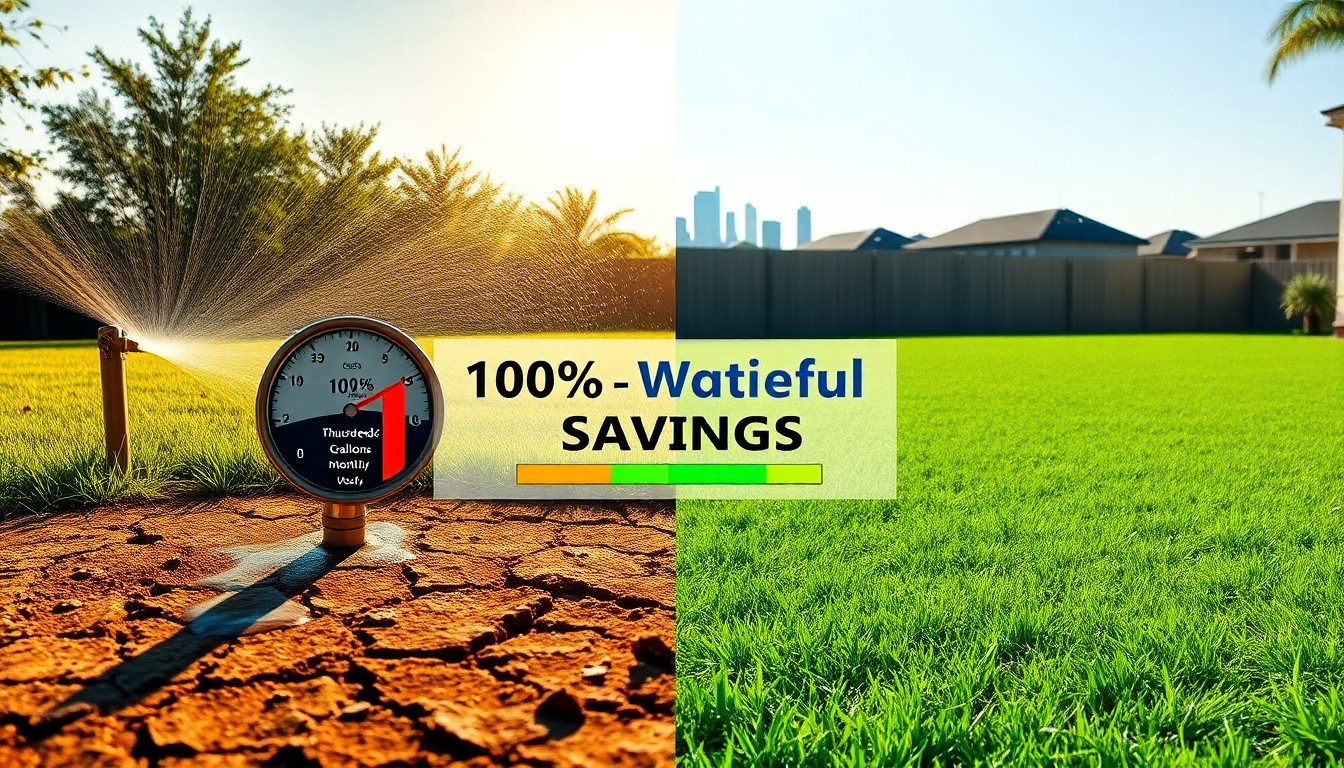
Water Usage Comparison
##?
Artificial turf eliminates the need for watering, resulting in a near 100% reduction in outdoor water consumption compared to natural grass, which demands hundreds of gallons weekly in the DFW climate. For homeowners seeking a verifiable long-term solution to high utility costs and regional water restrictions, synthetic grass is the definitive choice for water independence.
2. Deep Dive (Detailed Why and How)
The Stark Reality of Natural Lawn Water Demand
In the Dallas-Fort Worth area, the single largest consumer of household water during summer months is typically the irrigation of a natural lawn.
To maintain a green, healthy appearance in the intense Texas heat, traditional turf grass requires frequent, deep watering. This need escalates dramatically during dry spells or peak summer, often translating into significant utility bills and contributing to stress on municipal water systems.
A standard residential lawn can easily consume thousands of gallons of water monthly. This recurring expense is permanent and variable, increasing with temperatures and drought conditions.
Artificial Turf: A Zero-Water Solution
The most fundamental difference when comparing water usage is that artificial turf requires zero irrigation for survival or aesthetics. Once installed, its water consumption becomes negligible, limited only to occasional rinsing for cleaning or cooling.
This dramatic shift allows DFW homeowners to immediately remove their lawn from their monthly water budget. This isn't merely saving money—it's gaining control over a volatile utility expense.
Furthermore, by reducing community-wide water demand, artificial turf installation offers a significant measure of environmental stewardship. It ensures you are not drawing on limited resources during mandated water restrictions, keeping you compliant without sacrificing your yard's appearance. The water savings are compounded year over year, making the initial investment in synthetic grass financially sound and ecologically responsible.
3. Quick Reference (Bulleted Key Takeaways)
- 100% Elimination of Irrigation: Artificial turf never needs to be watered for growth or health.
- Immediate Utility Bill Reduction: Water savings translate directly into lower monthly costs, especially during summer peaks.
- Drought Immunity: Your landscape remains green and lush regardless of local water restrictions.
- Minimal Maintenance Rinsing: The only water use is for occasional light cleaning or brief cooling on extremely hot days.
- Environmental Benefit: Reduces strain on regional water resources in the DFW Metroplex.
4. Strategic Hyperlink
While the water savings are clear, the full financial picture includes the time and effort saved on weekly upkeep. Learn how eliminating mowing and chemical treatment contributes to your overall savings in our detailed resource: compare water consumption of natural vs artificial lawn care.
Explore Related Turf Resources
Related Turf Guides
- Accessible Drainage Solutions for Turf: The Key to Truly Senior-Friendly Outdoor Spaces
If you’re exploring senior-friendly turf, accessible drainage solutions for turf are just as important as the turf itself.
- Aesthetic Comparison: Turf vs. Grass (and What Actually Looks Better Long-Term)
If you’re weighing turf pros and cons, the **aesthetic differences between turf and grass** are probably at the top of your list.
- Annual Turf Care Calendar: Your Simple, Seasonal Guide to a Healthier Lawn
If you’re wondering, “What should I be doing for my lawn right now?” the answer lives inside an **annual turf care calendar**.
- Are luxury artificial turf options worth the investment for DFW homeowners?
Yes, upgrading to luxury artificial grass offers unmatched aesthetics, superior durability, and a premium feel that significantly elevates your home’s outdoor living experience and long-term value.
- Are you tired of staring at a dull, high-maintenance patch of grass?
**Yes, you can absolutely transform your yard into a stunning, functional space with a backyard landscaping makeover, and synthetic turf is often the key ingredient for DFW homeowners.**