
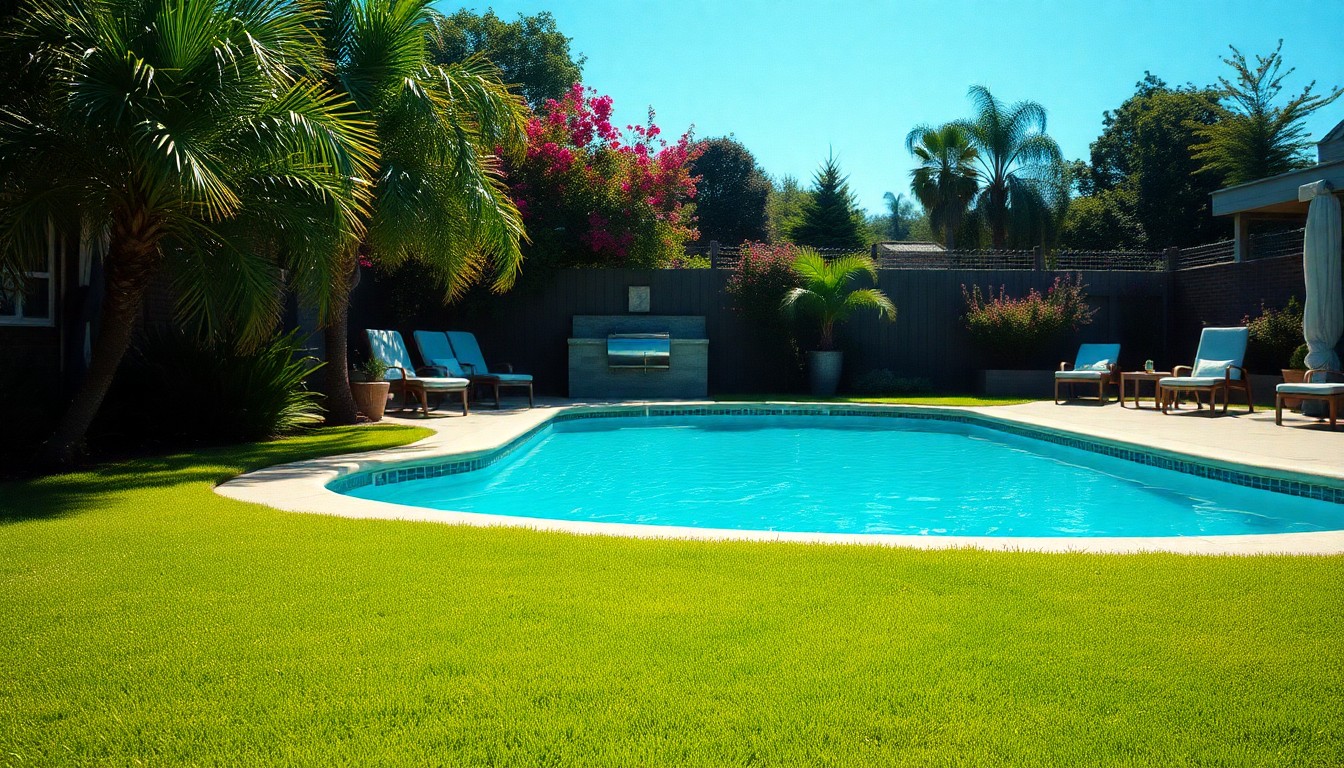
What Is Slip-Resistant Turf—and Why It Matters Around Pools & Outdoor Spaces
Slip-resistant turf is a type of synthetic grass designed with extra traction and drainage so wet surfaces are safer to walk on. Around pools, spas, splash pads, and other outdoor spaces near water, slip-resistant turf options can help reduce slips, muddy messes, and high-maintenance natural grass repairs.
If you’re exploring turf for pools and outdoor spaces, the core idea is simple:
- Regular surfaces + water = slip risk
- Slip-resistant turf + water = controlled traction and drainage
Below, you’ll learn how it works, where it makes sense, what to look for, and how it compares to other poolside surfaces—so you can feel confident exploring your options without needing to talk to a salesperson.
How Slip-Resistant Turf Works (In Plain Language)
Slip-resistant turf is still “fake grass”—but engineered differently than standard synthetic turf for lawns or sports fields.
Key Design Features
-
Textured fibers
- Slightly more grip than ultra-smooth “show lawn” turf
- Helps barefoot traction when surfaces are wet
-
Permeable backing
- Water drains straight through rather than pooling on top
- Reduces slick films and standing water
-
Dense, short-to-mid pile height
- Not too long or floppy (which can mat down when soaked)
- Not too short and slick (like some putting green turfs)
-
Stabilized infill or infill-light systems
- Some slip-resistant turf options minimize loose infill
- Reduces the chance of sand or rubber washing onto hardscapes
The result: a surface that feels comfortable under bare feet but offers better grip than smooth tile or wet concrete in many situations.
Why Slip-Resistant Turf Feels So Relevant Right Now
Outdoor spaces are being used in more ways, for more of the year, by more people. That raises the stakes for safety, comfort, and maintenance.
Slip-resistant turf options are resonating now because they offer:
- Safety awareness: Families and facility managers are more conscious of slip-and-fall risks.
- Low-upkeep outdoor living: People want resort-like spaces without constant lawn repair or mud control.
- Drought & water restrictions: Overwatering natural grass around pools is increasingly unsustainable.
- Flexible design: Modern synthetic turf no longer looks like neon-green carpet. It blends with patios, pavers, and landscaping.
Slip-resistant turf sits right at the intersection of those trends—safety, aesthetics, and practicality.
Where Slip-Resistant Turf Makes the Most Sense
1. Pool Decks and Surrounds
- Areas immediately bordering the pool
- Transition zones from pool to patio or lawn
- Narrow side yards with path + pool combination
Benefits:
- No mud or grass clippings in the pool
- Softer underfoot than concrete or pavers
- Visual “green frame” that highlights the water
2. Spas, Hot Tubs, and Plunge Pools
- Surrounds where people step in/out with wet feet
- Raised spa decks or steps
Benefits:
- Extra traction where surfaces often stay damp
- Comfortable on bare feet in both hot and cooler weather
- Can help visually define the spa zone
3. Splash Pads, Kiddie Pools, and Play Areas
- Residential splash zones
- Daycare or school outdoor water play spaces
- Backyard “water table” and activity corners
Benefits:
- Softer, more forgiving surface for falls
- Consistent grip, even when soaked
- Easy to rinse off and keep visually clean
4. Outdoor Showers and Rinse-Off Stations
- Pathways to outdoor showers near pools or beaches
- Rinse-off zones by side gates or garage doors
Benefits:
- Cleaner, drier transition back into the home
- Less dirt tracked inside
- More stable than wet dirt, mulch, or worn lawn
5. High-Traffic Paths Near Water Features
- Paths around ponds, fountains, or water gardens
- Walkways between pool, grilling station, and seating
Benefits:
- Clear, slip-resistant routes between “wet” and “dry” zones
- Resistant to rutting and bare patches compared to natural grass
- Keeps decorative stones and mulch from washing onto paths
How Slip-Resistant Turf Compares to Other Poolside Surfaces
| Surface Type | Traction When Wet | Comfort Barefoot | Maintenance Needs | Aesthetic Flexibility |
|---|---|---|---|---|
| Standard concrete | Often slippery when smooth | Can be harsh, hot in sun | Occasional sealing/cleaning | Limited (finish/color) |
| Tile / stone | Varies; some very slick | Can be hard and hot | Grout cleaning, sealing | High (patterns, colors) |
| Wood / composite decking | Better, but can be slick | Varies by finish | Staining, boards, mildew care | Warm, natural look |
| Natural grass | Slippery + muddy when wet | Soft, but uneven at times | Mowing, watering, fertilizers | Lush if healthy |
| Slip-resistant turf | Designed for added grip | Soft, cushioned, cooler* | Low; simple periodic upkeep | Many styles and layouts |
*Heat can vary by color, infill, and shade; not all turfs perform the same.
Key Benefits of Slip-Resistant Turf Around Pools & Outdoor Spaces
1. Increased Traction and Safety Support
- Helps reduce slip potential in transition zones (pool to patio, shower to house, etc.)
- More consistent underfoot than uneven grass, cracked concrete, or shifting pavers
- Ideal for homes with children, older adults, or anyone with mobility concerns
2. Cleaner Pool Water and Surroundings
- No soil, mud, or grass clippings washing into the pool
- Less debris clogging filters and skimmers
- Reduced need for frequent cleanups after mowing or rain
3. Year-Round Green Without Overwatering
- Maintains a consistent, green look even near heavily chlorinated or saltwater pools
- No bare patches where foot traffic and splash-out kill real grass
- No need to run sprinklers near pool coping (which can waste water and damage decks)
For a closer look at how turf performs near water in the long term—as well as the maintenance routines that keep it looking good—you can explore this overview on turf near water maintenance, including how it can translate into meaningful cost savings over time.
4. Comfort Under Bare Feet
- Feels softer than typical concrete or plain pavers
- The right slip-resistant turf options can run cooler than darker hardscapes
- No splinters (like wood) or grit (like deteriorating concrete)
5. Design Flexibility for Different Outdoor Spaces
- Can be cut around curves, steps, and freeform pool shapes
- Pairs well with concrete, stone, and decking for layered textures
- Can define zones: lounge areas, walkways, kids’ corner, or a “dry” relaxation zone
What To Look For in Slip-Resistant Turf Options (Without Getting Overwhelmed)
You don’t need to become a turf engineer to make sense of choices. Focus on a few practical criteria specifically for wet, pool-adjacent spaces.
1. Drainage Capabilities
Look for:
- Perforated backing: Holes designed for vertical drainage
- Specified drainage rate: Higher is better for wet zones
- Compatibility with a graded base: Water still needs somewhere to go
2. Fiber Type and Texture
Consider:
- Slightly textured fibers for grip, not ultra-slick “show” fibers
- Moderate pile height (not super tall and floppy)
- Soft feel if you’ll be barefoot frequently
3. Infill Strategy
- Around pools, some people prefer:
- Low-infill or specialty infill to minimize washout
- Infill types that stay cooler and are less likely to migrate onto decks
- Ask how the system is designed to handle:
- Heavy splashing
- Cleaning (rinsing, light pressure washing if recommended)
4. UV Stability and Chlorine/Salt Tolerance
- Pool areas get intense sun and chemical exposure
- Look for turf:
- Rated for UV stability
- Tested or commonly used around pools or aquatic environments
5. Safety and Comfort Balance
Ask yourself:
- Will kids run here?
- Will older adults be walking with wet feet?
- Is this a “shortcut” path people use constantly?
That helps you prioritize:
- Grip vs. ultra-soft feel
- Cooling performance vs. ultra-dense aesthetics
Basic Care and Maintenance: Keeping Slip-Resistant Turf Effective
Slip-resistant turf is low-maintenance, not no-maintenance. A simple routine keeps it clean, safe-feeling, and long-lasting.
Regular Upkeep
- Rinse periodically
- Hose down high-traffic zones to remove dust, spilled drinks, or sunscreen residue
- Brush or broom lightly
- Keep fibers upright and comfortable underfoot
- Check edges and seams
- Ensure no lifted edges where feet could catch
After Heavy Use or Storms
- Remove leaves and debris
- Prevents organic buildup that could create slick films
- Visually inspect
- Confirm consistent traction and no visible damage
- Clear drains
- Ensure water has a path away from the turf system
For more nuanced care—especially when turf is installed near chlorinated, salt, or natural water features—this deeper dive into turf near water maintenance can help clarify expected upkeep and how it compares financially to natural grass over time.
When Slip-Resistant Turf May Not Be the Best Fit
It’s useful to recognize when another surface might serve you better:
- Heavily shaded, constantly soggy areas where organic growth may be hard to control
- Spaces needing frequent heavy equipment access (vehicles, large machinery)
- Historic or highly architectural spaces where stone or tile is required to match existing design
In those cases, slip-resistant turf might still be part of the solution—just not the only material used.
FAQ: Slip-Resistant Turf for Pools & Outdoor Spaces
General Questions
| Question | Answer |
|---|---|
| Is slip-resistant turf completely slip-proof? | No surface is 100% slip-proof. Slip-resistant turf is designed to improve traction and drainage compared to smoother or water-holding surfaces, helping reduce slip risk rather than eliminate it. |
| Does slip-resistant turf feel different from regular synthetic grass? | It often has a slightly more textured feel and is chosen for drainage and grip near water. Many people find it very comfortable for barefoot use around pools. |
| Can I install slip-resistant turf on top of my existing concrete deck? | In some cases, yes, with proper preparation and drainage planning. A professional installer can determine whether your current deck and slope are suitable. |
Safety & Comfort
| Question | Answer |
|---|---|
| Is slip-resistant turf safe for kids running around the pool? | It’s commonly used in kid-friendly spaces because it provides cushioning and traction. However, supervision and clear safety rules around water are still essential. |
| How hot does slip-resistant turf get in full sun? | Heat levels vary by color, infill, and local climate. Many systems perform similarly or cooler than darker pavers, but in very hot regions, shade, lighter colors, and cooling infills can make a noticeable difference. |
| Is it comfortable for older adults or people with mobility issues? | The even surface and additional grip can be helpful, especially compared to slick tiles or uneven grass. Selecting the right pile height and underlayment can further support comfort. |
Maintenance & Durability
| Question | Answer |
|---|---|
| How do I clean slip-resistant turf around the pool? | Regularly rinse with water, lightly brush fibers, and remove debris. For more detailed routines near water features, see the guidance on turf near water maintenance. |
| Is chlorine or saltwater damaging to slip-resistant turf? | Quality turf designed for outdoor use is generally made to withstand typical levels of pool chemicals. Over time, proper rinsing and basic care can help maximize longevity. |
| How long does slip-resistant turf last? | Lifespan varies by product quality, installation, and usage. Many modern turfs around residential pools are designed to last several years before showing noticeable wear. |
Design & Installation
| Question | Answer |
|---|---|
| Can I mix slip-resistant turf with pavers or decking? | Yes. Many designs use turf between pavers, around wooden decks, or to frame stone patios, creating both traction and visual contrast. |
| Does slip-resistant turf work on sloped yards leading to a pool? | It can, as long as the base is properly prepared and drainage is handled correctly. Slopes sometimes benefit from turf because it resists erosion better than natural grass. |
| Do I need special drainage under the turf? | A stable, well-graded base is key. Most slip-resistant turf systems rely on both permeable backing and a sub-base that directs water away from the pool and structure. |
Slip-resistant turf for pools and outdoor spaces is ultimately about control—over water, over footing, and over the day-to-day reality of living with a pool or water feature. By understanding how these slip-resistant turf options work, where they shine, and how they’re maintained, you can evaluate them with clarity and confidence as part of your overall outdoor plan.
Explore Related Turf Resources
Related Turf Guides
- Accessible Drainage Solutions for Turf: The Key to Truly Senior-Friendly Outdoor Spaces
If you’re exploring senior-friendly turf, accessible drainage solutions for turf are just as important as the turf itself.
- Aesthetic Comparison: Turf vs. Grass (and What Actually Looks Better Long-Term)
If you’re weighing turf pros and cons, the **aesthetic differences between turf and grass** are probably at the top of your list.
- Annual Turf Care Calendar: Your Simple, Seasonal Guide to a Healthier Lawn
If you’re wondering, “What should I be doing for my lawn right now?” the answer lives inside an **annual turf care calendar**.
- Are luxury artificial turf options worth the investment for DFW homeowners?
Yes, upgrading to luxury artificial grass offers unmatched aesthetics, superior durability, and a premium feel that significantly elevates your home’s outdoor living experience and long-term value.
- Are you tired of staring at a dull, high-maintenance patch of grass?
**Yes, you can absolutely transform your yard into a stunning, functional space with a backyard landscaping makeover, and synthetic turf is often the key ingredient for DFW homeowners.**